
Anthropic Agent Skills: Building Reliable AI Agents
⚡ Quick Take
Have you ever watched an AI agent fumble through a simple task, leaving you wondering if it's more show than substance? Anthropic is stepping up with "Agent Skills," a fresh open framework designed to build modular, reusable, and dependable capabilities for AI agents. This goes beyond tweaking Claude—it's a bold strategy to shape the foundational operating system for how these agents engage with the real world, moving the competition away from sheer model scale toward something more essential: reliability and seamless integration.
Summary
Anthropic has launched "Agent Skills," essentially a neat package for arming AI agents with predictable, step-by-step functions. By pushing this as an open standard, they're tackling the thorny issues of agent unpredictability and scattered platforms, setting the stage for a stronger, more connected ecosystem overall.
What happened
They've rolled out specs and tools for these "Skills," which wrap up code, assets, and guidelines into tidy, mix-and-match components. Picture an LLM like Claude figuring out what to do, then passing the baton to a Skill that handles the how with precision—whether that's whipping up a PowerPoint or tweaking a CRM entry.
Why it matters now
Right now, the AI world is bumping up against limits in agent dependability. Those all-purpose LLMs? They can crack under pressure with intricate, multi-stage business workflows. Skills push for a hybrid of smart reasoning and rock-solid code execution. And opening it up as a standard? That's a smart jab at closed-off rivals, aiming to knit together a developer community that plays nice across the board.
Who is most affected
Think developers piecing together agentic setups with tools like LangChain or AutoGen; enterprise IT heads hunting for solid AI helpers; and big players like OpenAI, suddenly facing a rival blueprint for how agents should be built.
The under-reported angle
Sure, it looks like a dev perk on the surface, but dig a bit, and it's really about control and safety. Bundling everything into version-controlled, isolated, maybe even digitally signed "Skills" lays groundwork for enterprise-grade agents—ones you can inspect, gatekeep, and share without worry. It's like prepping the soil for a secure "Skills Marketplace" down the line.
🧠 Deep Dive
Ever felt the thrill of an AI agent's promise, only to hit the wall of its all-too-human flaws? The push to create practical AI agents has been full of highs and harsh realities—stunning proofs-of-concept derailed by real-world glitches, where agents invent steps, botch integrations, or just wander off course in extended jobs. Anthropic's "Agent Skills" lands as a no-nonsense, engineering-driven fix, swapping out that haphazard trial-and-error for something structured and repeatable.
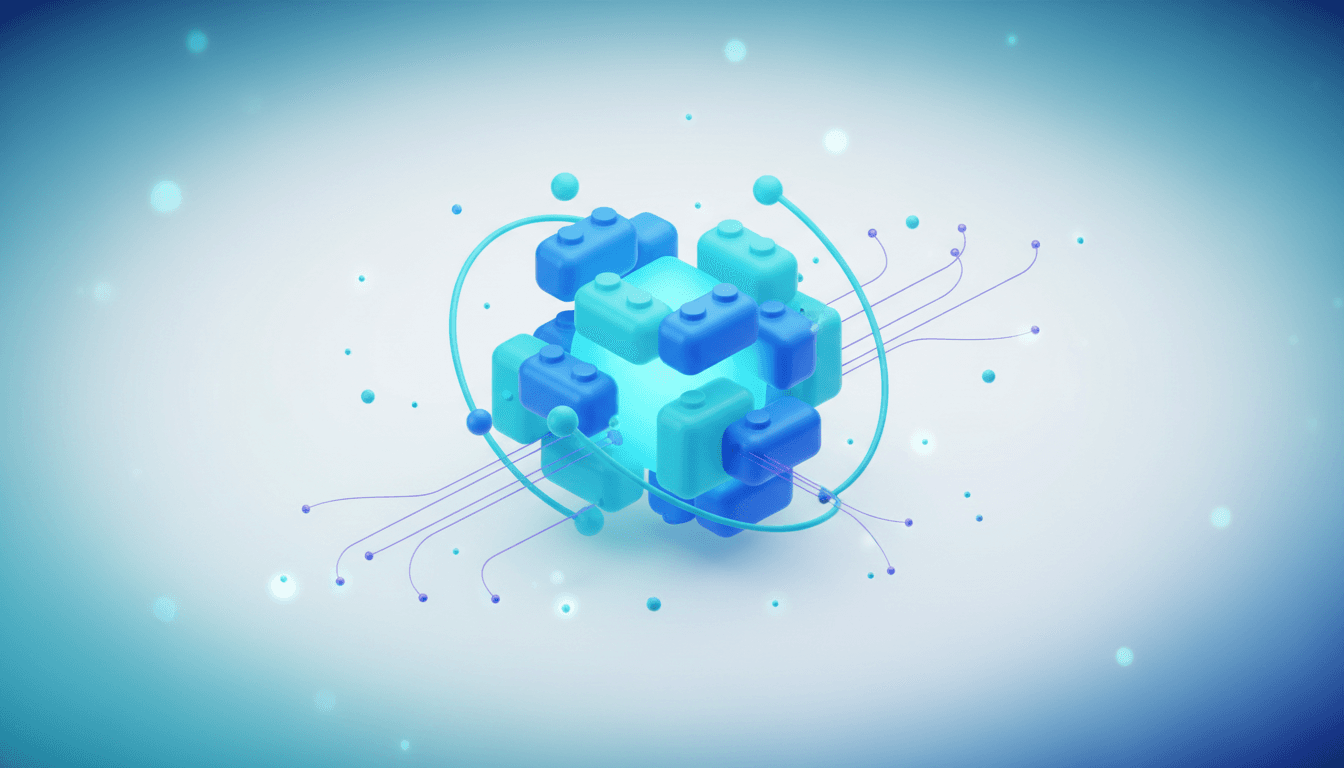
Here's the heart of it: a Skill draws a clear line between the LLM acting as a planner and the straightforward carrying out of the work. No more relying on Claude to improvise Python on the spot for a slide deck, risks and all—instead, you slot in a ready-made create_presentation Skill, loaded with the precise scripts, layouts, and steps to nail it consistently. That modularity? It's everything. We're talking a leap from these hulking, erratic agents to ones built from neat, verifiable "Lego blocks" of function—testable, trustable pieces that snap together.
But here's the thing: by framing this as an "open standard," Anthropic isn't just polishing Claude; they're extending an invitation to the whole field to rally around a shared base. From what I've seen in the agent space, this could head off the kind of fragmentation we saw in early mobile apps, where everything was a proprietary island. It squares off against setups like OpenAI's Assistants API or LangGraph frameworks, wagering that openness and portability will draw in devs tired of being tied down—capabilities that, ideally, hop between any compatible platform without a hitch.
This isn't coming out of nowhere, either. Anthropic's deep dives into production agent runs—their posts on "effective harnesses," "context compaction," and multi-agent setups—show Skills as the finishing touch on a bigger picture of reliability, safety, and getting things done right. The harness handles checkpoints and recovery for marathon tasks; context tweaks keep the agent sharp; Skills deliver the dependable actions. Together, it's what turns a flashy prototype into something you can bet on in the wild.
That said, the rollout stops short of some vital details, which could spark the real debates ahead in agent design. We've got lingering puzzles around security and oversight that Anthropic hasn't spelled out yet—like how Skills get authenticated against tampering, what the isolated runtime feels like, or how teams wrangle access and logs for a flood of them. These aren't side notes; they'll decide if Agent Skills turn into the go-to, controlled backbone for business automation or fade into the noise of alternatives.
📊 Stakeholders & Impact
Stakeholder / Aspect | Impact | Insight |
|---|---|---|
AI / LLM Providers | High | This raises the bar for agent setups, nudging OpenAI and Google to sharpen their pitches on integration and steadiness. It's less about who has the biggest brain and more about who crafts the best shared playground. |
Agent Developers | High | A standardized path to craft and swap reusable parts means less reinventing wheels or wrestling custom flows. The upside? Quicker builds, easier moves between systems—plenty of reasons to lean in. |
Enterprises (CIOs/CSOs) | High | Finally, a clear route to AI agents you can actually oversee. With modularity, versioning, and isolation baked in, Skills align with the security, rules-following, and tracking needs of strict sectors. |
The AI Tooling Ecosystem | Significant | An "open standard" might spark an App Store vibe for Skills, opening doors for sellers to peddle tailored, off-the-shelf agent tools—think integrations for SAP, Salesforce, or specialized verticals. |
✍️ About the analysis
This take pulls from an independent i10x lens, weaving together Anthropic's key releases, tech deep dives, dev guides, and a broader scan of the market. It's geared toward AI builders, product folks, and strategy leads sizing up the evolving world of agent tech and the rivalries reshaping it—straight talk for navigating what's next.
🔭 i10x Perspective
Anthropic's "Agent Skills" feels like a savvy recalibration in this AI sprint, steering attention from the brute smarts of LLMs to the steady bones of agent systems. They're gambling that businesses will prize automation you can count on—governed and glitch-free—over the wild sparks of an untamed model. In doing so, Anthropic positions itself not merely as a model maker, but as a shaper of the AI landscape's underlying rules.
The real wildcard lingers in whether this sparks a truly collaborative standard, born from one player's push. Agentic AI's path forward might hinge less on peak intelligence and more on who forges the most reliable, embraced network of tools. Keep an eye on rivals' countermoves and any budding alliances for cross-vendor norms—the quest for AI's universal connector is underway, and it could redefine everything.
Ähnliche Nachrichten

Google's AI Strategy: Infrastructure and Equity Investments
Explore Google's dual-track AI approach, investing €5.5B in German data centers and equity stakes in firms like Anthropic. Secure infrastructure and cloud dominance in the AI race. Discover how this counters Microsoft and shapes the future.

AI Billionaire Flywheel: Redefining Wealth in AI
Explore the rise of the AI Billionaire Flywheel, where foundation model labs like Anthropic and OpenAI create self-made billionaires through massive valuations and equity. Uncover the structural shifts in AI wealth creation and their broad implications for talent and society. Dive into the analysis.

Nvidia Groq Deal: Licensing & Acqui-Hire Explained
Unpack the Nvidia-Groq partnership: a strategic licensing agreement and talent acquisition that neutralizes competition in AI inference without a full buyout. Explore implications for developers, startups, and the industry. Discover the real strategy behind the headlines.