
Apple Intelligence: Siri Integrates Google's Gemini AI
⚡ Quick Take
Have you ever wondered how tech giants like Apple might team up with their biggest rivals to stay ahead? Well, that's exactly what's happening—Apple is weaving Google's Gemini AI into Siri through its fresh "Apple Intelligence" platform, a bold step that softens the edges between old competitors. It's a clear sign of Apple's practical mindset in the generative AI scramble, blending its own-device smarts with the heavy cloud muscle from a direct foe, and for the moment, pushing OpenAI to the sidelines.
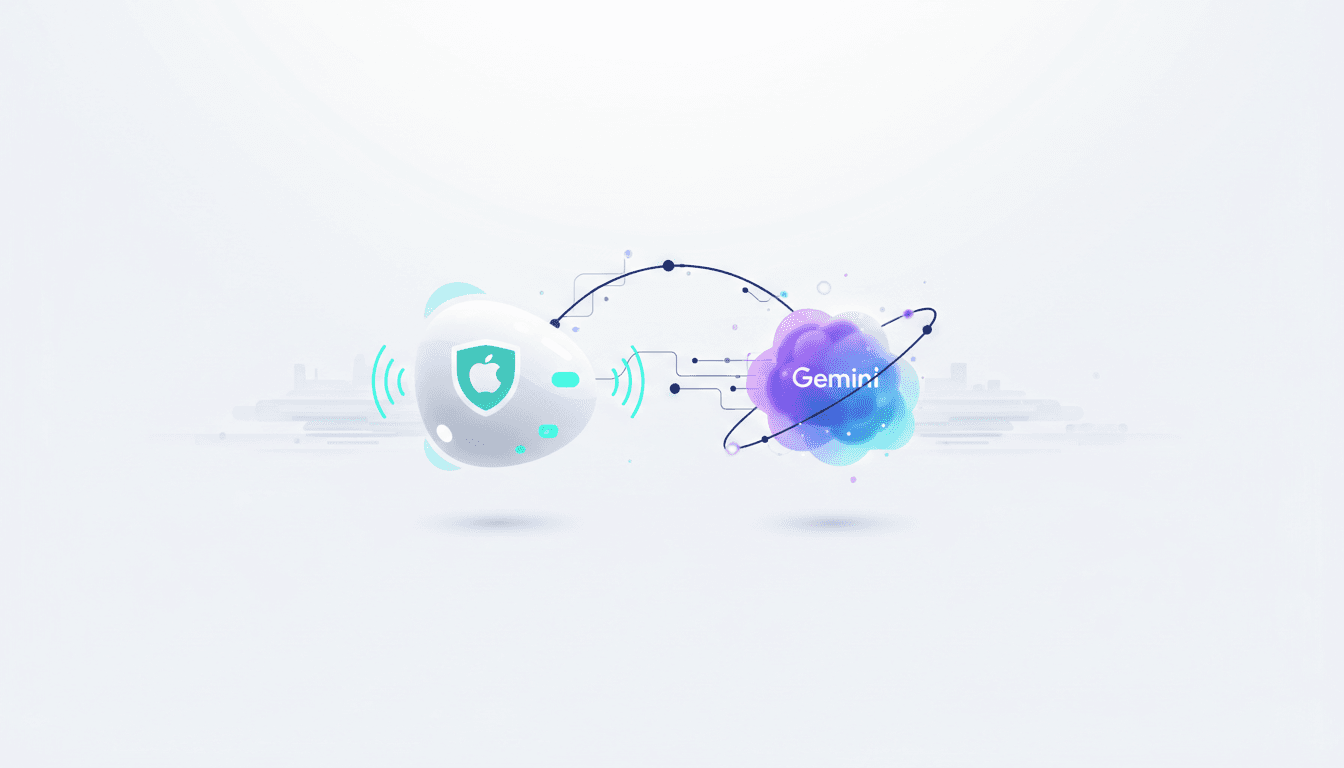
- Summary: Apple just unveiled "Apple Intelligence," a fresh set of AI tools for its gadgets, featuring a tie-up that lets Siri dip into Google's Gemini models when things get tricky. This mix keeps everyday, privacy-focused stuff right on your device, while handing off the big generative AI jobs to Google's cloud setup.
- What happened: During its recent developer event, Apple laid it out: if Siri spots a request too tough for its local brains, it'll check with you first before firing it over to Google's Gemini. Suddenly, Google's top-tier foundation model feels right at home in Apple's everyday world.
- Why it matters now: Here's Apple's sharp response to the generative AI heat from outfits like Microsoft and OpenAI. Rather than holding out for flawless in-house mega-models, they're grabbing time and matching features through this alliance—turning Apple into a prime showcase for a leading LLM and flipping the script on anyone saying they'd lagged behind.
- Who is most affected: Folks on iOS, iPadOS, and macOS get a serious Siri upgrade. Developers now have a clearer road to richer AI builds. For rivals like OpenAI, though, this deal slams the door on Apple's huge, premium crowd, all while spotlighting Google's Gemini as a real contender.
- The under-reported angle: Sure, it's not just Siri leveling up—it's a lesson in smart "coopetition." The real clever bit? That model routing architecture, where Apple's local smarts play privacy cop, sorting out what's fine to tackle in-house and what needs the big guns from an outside cloud AI.
🧠 Deep Dive
Ever feel like even the smartest assistants hit a wall on the tough stuff? Apple's "Apple Intelligence" setup is their official jump into the generative AI fray, but with that signature careful edge I've always admired about them. Siri has nailed those quick, on-device tasks for ages—think pulling up your calendar or sorting photos—but it often trips on those winding, knowledge-heavy questions. So, Apple's not going all-in on one massive "Siri GPT" beast; instead, they're crafting this layered hybrid. The base stays firmly on-device, powered by those zippy A- and M-series chips, keeping your emails, schedules, and pics locked down tight in Apple's secure bubble, privacy first as always.
But here's the thing—the real shift comes from owning up that on-device alone won't cut it, not quite yet. For queries needing deeper thinking or a creative spark, the system steps in like a smart dispatcher. It'll ask you straight up if it's okay to ping a stronger outside model, kicking off with Google's Gemini. This hookup, which seemed like a long shot between such cutthroat players, feels like pure strategy gold. Apple closes its power gap overnight, without ditching that privacy vow they hold dear, and Google? They slide their star AI right into the laps of millions of top-dollar users worldwide.
What strikes me is how this setup tackles the whole privacy tangle that's tripped up other AI rollouts. By keeping things in a sealed-off zone, Apple makes sure Google only gets the bare query, stripped of any ties to your name or account—no leaks. This "firewalled coopetition" could rewrite the rules for how big platforms borrow third-party AI brains without losing folks' faith. It's a straight shot at OpenAI's play to blanket every device as the go-to smarts layer, since Apple keeps the reins on how it all feels and, key point, when to send stuff out.
The ripples? They spread wide through the AI world. Developers might soon see SiriKit revamped, opening doors to apps that really get your context and handle intricate tasks without a hitch. On the hardware side, it doubles down on Apple's tight-knit approach; those custom chips are what make the local half of this hybrid work so smoothly, setting them apart from cloud-only crowds. In the end, this reframes the AI assistant showdown—not just about the largest model out there, but who builds the sleekest, safest way to shuttle around the intelligence.
📊 Stakeholders & Impact
- Apple — Impact: High. Insight: They snag generative AI on par right away, bolstering that privacy rep they cherish, all while staying the boss of how users experience it—like the ultimate gatekeeper.
- Google — Impact: High. Insight: It's a huge win, funneling Gemini into a vast audience that proves it stacks up to OpenAI, plus cash from all those queries rolling in. Strategic gold, really.
- OpenAI / Microsoft — Impact: Significant. Insight: For now, they're sidelined from Apple's turf—a real setback to dominating as the everywhere intelligence. Puts the squeeze on finding fresh paths forward.
- App Developers — Impact: Medium (High in future). Insight: Think bigger SiriKit and Shortcut possibilities down the line. Starts with Siri upgrades, but widening APIs? That's the exciting next play.
- Consumers / Users — Impact: High. Insight: Siri gets way sharper overall, though you'll have to okay those outside asks. It's all opt-in, so choice stays in your hands—smart move.
✍️ About the analysis
From what I've seen in these announcements and our own digs into AI setups and market plays, this i10x take is our standalone view, pulling from public info and filling in those overlooked spots. It's aimed at tech execs, coders, and planners who want the real "why" driving these big AI shakes-ups—nothing fluffy, just the insights that stick.
🔭 i10x Perspective
That Apple-Gemini linkup? It's no mere tweak—it's Apple rethinking its stance, and a pivot point for AI as a whole. The days of that totally sealed-off "walled garden" are fading, plenty of reasons for that shift. Now we're looking at an "intelligent-gated community," where the platform calls the shots on entry and your personal data, but wisely hands off the tough jobs to AI specialists outside.
From my vantage, this hints at consumer AI's path ahead: not one do-it-all guru, but a clever network that juggles privacy, speed, and sheer muscle. The big puzzle for the coming years—and it's one that keeps me up sometimes—is if this is just Apple's bridge until their own models muscle in, or the lasting blueprint for how we get our smarts served up. Either way, they've chosen to steer the kingdom's traffic over ruling an empty one—for now, at least.
Ähnliche Nachrichten

AI in Healthcare: Reliability Risks and Governance Needs
Discover the critical reliability gaps in AI models entering healthcare, from hallucinations to uncalibrated confidence, and how governance frameworks like safe-use matrices are essential for patient safety. Explore strategies for vendors and providers.

Anthropic Opens India Hub Led by Irina Ghose in Bengaluru
Anthropic is launching its first India hub in Bengaluru, appointing experienced exec Irina Ghose to lead expansion efforts. This strategic move emphasizes AI safety, local compliance with DPDP Act, and enterprise partnerships. Explore the key impacts and insights.

Elon Musk vs OpenAI: Lawsuit Advances to Jury Trial
A California judge denies motions to dismiss Elon Musk's lawsuit against OpenAI and Microsoft, paving the way for a trial on breach of contract and fiduciary duty. Explore the implications for AI governance and industry stakeholders.