
John Carreyrou's AI Copyright Lawsuit Targets Journalism
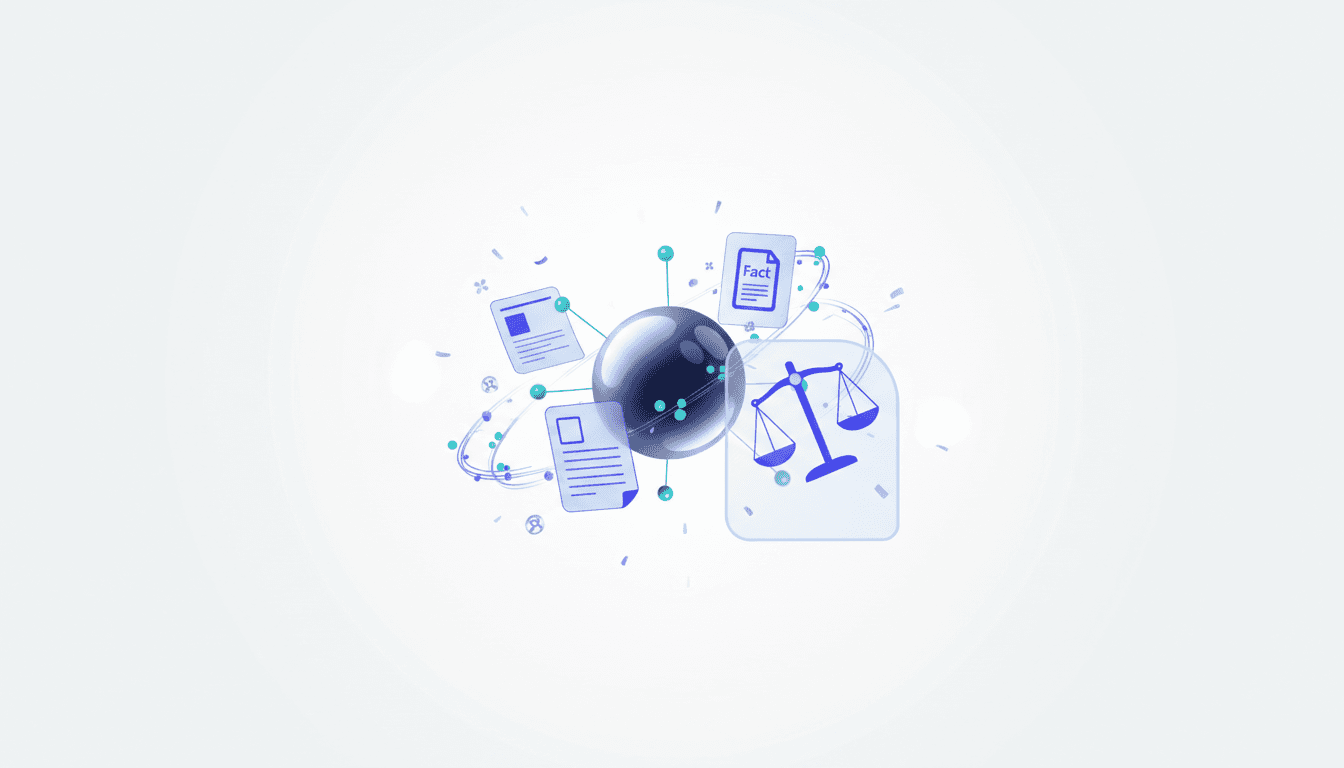
⚡ Quick Take
The AI copyright war has found its new frontline: high-value investigative journalism. A lawsuit from "Bad Blood" author John Carreyrou and others against six major AI developers isn't just another case—it's a precision strike that sharpens the legal attack on how Large Language Models are built and deployed, moving the fight from broad creative works to proprietary, fact-based reporting.
Summary
Have you ever wondered how the tools we rely on for quick insights might be built on borrowed foundations? Investigative journalist John Carreyrou has stepped into the fray with a class-action lawsuit against six AI companies, heavy hitters like OpenAI and Anthropic included. The core allegation? Widespread copyright infringement through the unauthorized use of journalistic works to train their models—models that now summarize or reproduce that hard-won content, stepping right into the shoes of the original publishers.
What happened
This lawsuit cracks open a fresh front in the AI copyright battle, zeroing in on investigative reporting in a way that feels almost surgical. Past cases have tangled with fiction or the everyday sprawl of web content, but here, the spotlight lands on journalism's factual backbone and its irreplaceable value. That makes the AI side's go-to defense of "transformative use" a tougher sell, like trying to reshape unyielding stone into something new.
Why it matters now
From what I've seen in these evolving disputes, timing is everything—and this case hits at a pivotal moment. A ruling here could carve out a lasting precedent. Should courts rule that training on fact-heavy journalism doesn't qualify as fair use, we're talking a seismic shift: LLMs would need their datasets overhauled from the ground up, and we'd likely see a rush toward pricey licensing pacts with news outlets. It boils down to this: Are these AI systems clever synthesizers, or just high-tech copiers in disguise?
Who is most affected
The ripple effects spread wide, but let's weigh who feels the brunt. AI developers are staring down a potential crisis in their data pipelines—existential, even. For newsrooms and publishers, though, it's a glimmer of hope: a way to turn archives into revenue and shield against future threats. And enterprise users? They're caught in the middle, pushing harder for AI tools that come with legal warranties to keep the risks at bay.
The under-reported angle
Here's something that doesn't get enough airtime—the lawsuit's real edge lies in how it slices the legal challenges into two sharp prongs. It doesn't just hit the input side, that messy business of scraping protected data without a nod; it also targets the output, where models cough up factual nuggets that straight-up replace the originals. Plenty of reasons why this matters, really—it squeezes AI firms from both ends of the pipeline, leaving little room for a tidy escape hatch in court.
🧠 Deep Dive
Ever feel like the ground is shifting under your feet when it comes to tech's legal battles? The tide of copyright suits against AI developers has rolled into sharper, more urgent waters now. Earlier ones, from authors and artists, zeroed in on the broad idea of training on creative stuff. But this class action with John Carreyrou at the helm? It plants the flag squarely on investigative journalism—the kind that's proprietary and rooted in cold, hard facts. Not just a footnote in the filings; it's a calculated move that could pick apart the fair use shield propping up today's LLMs.
Input Problem
The fight unfolds across two key battle lines, each with its own bite. First up, the Input Problem: the charge that AI outfits committed wholesale infringement by hoovering up works from spots like Books3 and Common Crawl, no permissions asked. They push back with the fair use line—think of it as AI mimicking how we humans soak up knowledge. Yet the plaintiffs, leaning on journalism's precise, fact-driven essence, flip that: You can't really "transform" a deeply reported story the way you might tweak a novel's flair—it's like mixing oil and water.
Output Problem
Then there's the Output Problem, which might sting even more in the short term. We're talking about regurgitation, or what amounts to the model spitting back chunks of its training data, word for word or close enough. For a news outfit, that's no abstract issue—it's their paywalled scoops getting handed out for free by an AI, straight-up undercutting their market. Echoing the New York Times' own suit, this one piles on proof of outputs that clash head-on with the source material, pulling the conversation from fuzzy training ethics to real-dollar damage.
That said, this kind of targeted approach is shaking things up across the board. The days of grabbing web data willy-nilly for training? They're fading fast. Courts are handing down mixed verdicts—Northern California's got one take, the Southern District of New York's another—on fair use and even DMCA claims. AI companies, sensing the storm, are playing it smart: inking quiet deals with select publishers while duking it out elsewhere. The result? A patchwork market where every AI-spun line carries the shadow of its unseen origins, leaving everyone guessing.
📊 Stakeholders & Impact
Stakeholder / Aspect | Impact | Insight |
|---|---|---|
AI / LLM Providers | High | This lawsuit strikes at the heart of their free-data model—easy come, easy go. If they lose, expect waves of backdated licensing costs in the billions, plus the headache of scrubbing datasets, which might even ding how well the models perform down the line. |
News Publishers & Journalists | High | A win here hands them a real bargaining chip for licensing deals, opening up fresh income from old stories. It underscores the worth of their archives in an AI world and guards against tools that poach their audience. |
Enterprise AI Users | Medium | The uncertainty ramps up risks for rolling out ready-made LLMs—folks will lean more on "indemnified" options from the big players like Microsoft, Google, or Amazon, who can shoulder the lawsuits. |
Regulators & Policy | Significant | Cases like this crank up the call for laws tailored to AI. They expose how copyright's old rules fall short, possibly speeding along ideas like group licensing or data transparency mandates—think the EU AI Act as a blueprint. |
✍️ About the analysis
This piece draws from my own synthesis of active AI copyright trackers, fresh court documents, and insights from legal pros— all independent work under the i10x banner. It's geared toward developers, product leads, and tech planners who want a clear-eyed view of how these legal twists could reshape AI's backbone and the broader scene.
🔭 i10x Perspective
What if all this courtroom drama isn't just static, but the raw way markets figure out what knowledge is truly worth? I've watched the AI field for years, and it's clear: For too long, they've treated public data like endless, no-cost gas for the engine. Now, those courts are methodically tearing that notion apart, piece by piece. This turning point signals the wrap-up of the "scrape everything, sort it out after" mindset in AI building. Looking ahead, success won't hinge on sheer model size, but on crafting data chains that hold up in court—auditable, clean, and sourced right. These lawsuits? Their fallout will redefine the cost of smarts itself, tying AI's growth to a data marketplace that's emerging, and bound to be pricey as all get-out.
Ähnliche Nachrichten

Google's AI Strategy: Infrastructure and Equity Investments
Explore Google's dual-track AI approach, investing €5.5B in German data centers and equity stakes in firms like Anthropic. Secure infrastructure and cloud dominance in the AI race. Discover how this counters Microsoft and shapes the future.

AI Billionaire Flywheel: Redefining Wealth in AI
Explore the rise of the AI Billionaire Flywheel, where foundation model labs like Anthropic and OpenAI create self-made billionaires through massive valuations and equity. Uncover the structural shifts in AI wealth creation and their broad implications for talent and society. Dive into the analysis.

Nvidia Groq Deal: Licensing & Acqui-Hire Explained
Unpack the Nvidia-Groq partnership: a strategic licensing agreement and talent acquisition that neutralizes competition in AI inference without a full buyout. Explore implications for developers, startups, and the industry. Discover the real strategy behind the headlines.