
OpenAI gpt-image-1.5: Better Control for Image Generation
⚡ Quick Take
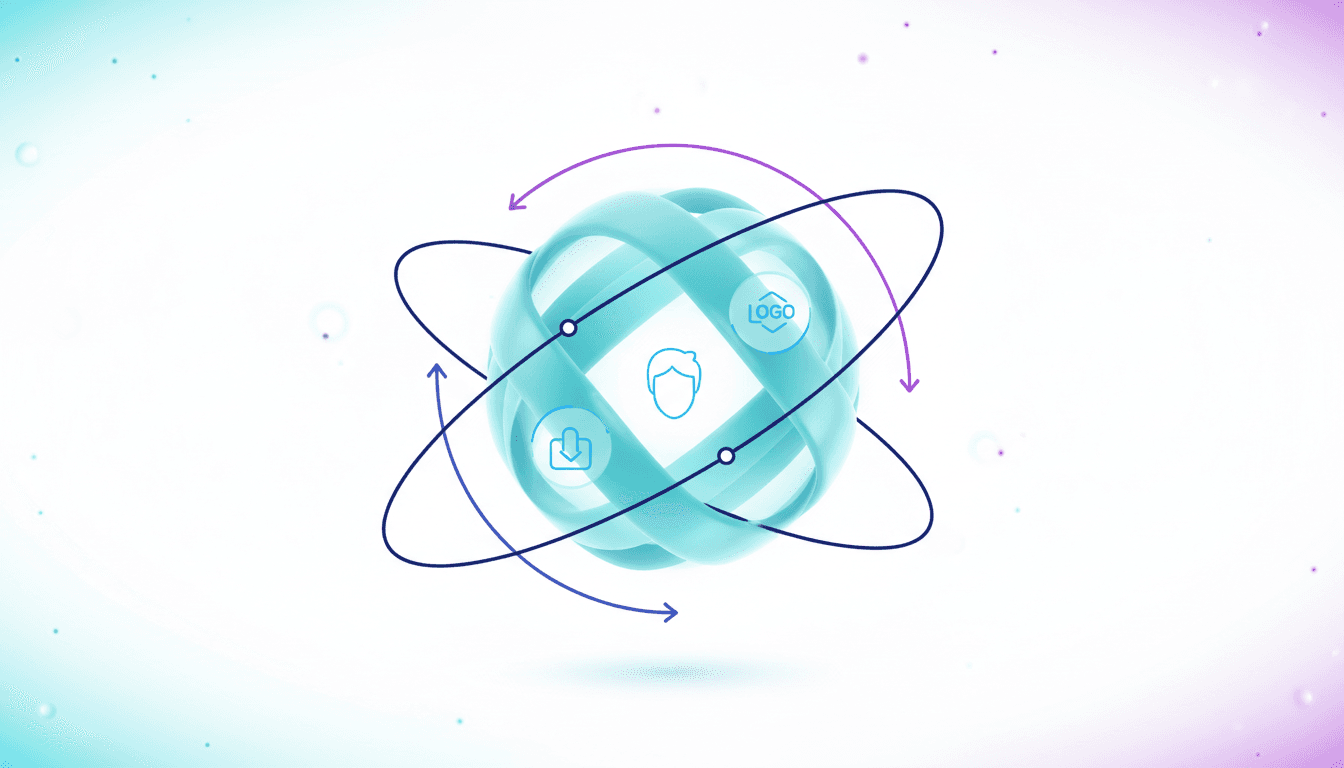
OpenAI has quietly rolled out gpt-image-1.5, a significant update to its image generation capabilities within ChatGPT and the API. This isn't just another incremental quality boost; it's a strategic move to solve the biggest pain point in generative AI workflows: the lack of control. By focusing on superior prompt adherence, element preservation, and fine-grained editing, OpenAI is repositioning its image model from a creative lottery to a predictable production tool, directly targeting developers and enterprise users.
Summary:
OpenAI has launched gpt-image-1.5, its latest image generation model, available in both ChatGPT and via the API. The update prioritizes high-fidelity output, strong prompt adherence, and the preservation of details like composition, faces, and logos during edits.
What happened:
Instead of a major marketing launch, OpenAI deployed the new model and updated its developer documentation and prompting guides. The focus is on technical capabilities: better instruction following, enhanced image editing, and consistent workflows, solving common frustrations where previous models would ignore or alter key parts of a prompt. That said, it's one of those under-the-radar shifts that feels bigger once you dig in.
Why it matters now:
As the generative AI market matures, the competitive battleground is shifting from raw generation quality to workflow integration and reliability. This release is OpenAI's direct answer to the market's demand for more controllable, production-ready tools, positioning it against competitors like Google's unreleased "Nano Banana" and other models vying for developer and creative professional adoption. We're seeing tools evolve from flashy experiments to something you can actually build on - and that's a game-changer.
Who is most affected:
Developers, marketing teams, and creative agencies are the primary beneficiaries. They can now build more reliable image generation pipelines, reduce manual rework, and maintain brand consistency (e.g., logos) in AI-generated assets. This pressures competitors to move beyond "good enough" generation and deliver similar levels of fine-grained control. Plenty of reasons to pay attention here, especially if you're knee-deep in content creation.
The under-reported angle:
Most coverage focuses on "better images." The real story is the strategic pivot towards making generative AI a governable, version-controlled component of a production stack. Features like API "snapshots" and detailed prompting cookbooks signal that OpenAI is building the infrastructure for programmatic visual content, treating image generation less like an art project and more like code. It's subtle, but it hints at where things are headed next.
🧠 Deep Dive
Ever wondered why AI image tools feel like they're always one prompt away from disaster? OpenAI's gpt-image-1.5 is tackling that head-on, marking a real step forward in the generative AI world. The heart of it isn't some flashy new aesthetic - though the images do look sharper - but giving users real control over what comes out. From what I've seen in the official docs and early developer chatter, they've zeroed in on that nagging issue of prompts getting twisted or ignored, where models tweak brand elements or lose the thread on style. By ramping up "prompt adherence" and locking in things like composition, lighting, and those tiny details that matter, OpenAI is speaking straight to pros who can't afford the guesswork.
But here's the thing: the market's full of these quick-draw generators that leave you tweaking forever to nail it down. Places like the OpenAI Community forums, or even third-party spots like Fal.ai, are buzzing about how gpt-image-1.5 nails complex instructions and keeps faces or logos intact. That's the line between a fun toy and something you stake a workflow on. For marketing folks, a logo staying put isn't optional. Game devs need characters that don't morph mid-project. This model steps up as a steady collaborator, not some unpredictable spark of inspiration - and that's what makes it stick.
You can't overlook the rivalry here, either. Outlets are already pitting it against Google's upcoming "Nano Banana" model, calling this a smart jab in the multimodal showdown. Still, it's less about who wins on pixel-perfect benchmarks and more about crafting an ecosystem devs actually trust. With those thorough prompting guides, API snapshots you can version, and editing that's truly hands-on, OpenAI's digging a serious trench. They're not peddling pictures; they're handing over pipelines you can scale and slot right into your stack, repeatable as clockwork.
All this push for control? It cracks open doors to smarter MLOps and automated creativity. Now devs can code apps that tweak images on the fly - swap in objects, shift vibes - knowing the main bits won't vanish. Image gen stops being a solo act and turns into a living piece of your app, under version control like any other asset. The rollout's been quiet, sure, but gpt-image-1.5 feels like bedrock for whatever AI apps we dream up tomorrow.
📊 Stakeholders & Impact
Stakeholder / Aspect | Impact | Insight |
|---|---|---|
Developers & MLOps | High | The model's reliability and API-first documentation (snapshots, guides) enable integration into production pipelines. This makes generative images a more predictable software component - something you can count on, day in and day out. |
Creative & Marketing Teams | High | Enhanced control over branding (logos), composition, and style drastically reduces manual rework. It turns generative AI into a viable tool for campaign asset production, not just ideation. From brainstorming to final polish, it's a smoother ride now. |
Competing AI Providers (Google, Midjourney, Stability AI) | Significant | The bar has been raised from "high-quality generation" to "high-control workflow." Competitors must now deliver similar levels of prompt adherence and reliable editing to remain viable for professional use cases. No more coasting on pretty outputs alone. |
Enterprise Governance & Legal | Medium | The ability to preserve - or conversely, manipulate - logos and faces with precision introduces new governance challenges. Enterprises need clear policies on using these powerful editing tools to avoid brand dilution or creating misleading content. It's a tool with edges that demand careful handling. |
✍️ About the analysis
This is an independent analysis by i10x, based on a synthesis of official OpenAI documentation, developer community discussions, and comparative analysis of the current AI model landscape. The insights are tailored for developers, product managers, and CTOs seeking to understand the strategic shifts in generative AI infrastructure. I've pulled it together to cut through the noise, really.
🔭 i10x Perspective
What if the hype around generative AI was just the opening act? The gpt-image-1.5 launch suggests we're past that - into the grind of making it work for real. Looking ahead, the next five years won't hinge on the wildest visuals, but on platforms that deliver steady, controllable creative output. OpenAI's framing its image tools like the git for visuals: versioned, reliable, easy to weave in. I've noticed how that analogy fits - it grounds the tech in something tangible.
This push is rippling out, nudging the whole field to grow up. Yet there's that familiar catch, a double-edged blade really: the control letting designers lock in a logo for an ad could just as easily let someone slip it into fakes. As these production tools spread wide and get industrialized, building safeguards for AI use - the governance side - that's shaping up as the real fight ahead. The most critical takeaway: deliver steady, controllable creative output.
News Similaires
TikTok US Joint Venture: AI Decoupling Insights
Explore the reported TikTok US joint venture deal between ByteDance and American investors, addressing PAFACA requirements. Delve into implications for AI algorithms, data security, and global tech sovereignty. Discover how this shapes the future of digital platforms.
OpenAI Governance Crisis: Key Analysis and Impacts
Uncover the causes behind OpenAI's governance crisis, from board-CEO clashes to stalled ChatGPT development. Learn its effects on enterprises, investors, and AI rivals, plus lessons for safe AGI governance. Explore the full analysis.
Claude AI Failures 2025: Infrastructure, Security, Control
Explore Anthropic's Claude AI incidents in late 2025, from infrastructure bugs and espionage threats to agentic control failures in Project Vend. Uncover interconnected risks and the push for operational resilience in frontier AI. Discover key insights for engineers and stakeholders.