OpenAI Phone Rumors: 2nm MediaTek Chip & Agent-First OS
⚡ Quick Take
Leaked hardware specs suggest OpenAI isn’t just building another AI app—it’s aiming to replace the app itself. The rumored partnership with MediaTek on a next-gen 2nm chip signals a direct assault on the Google/Apple duopoly by shifting the smartphone paradigm from app-centric to agent-first, a high-stakes bet that learns from the failures of devices like the Humane Ai Pin and Rabbit R1.
Summary: Rumors are solidifying around an OpenAI-branded smartphone, with new reports pointing to a powerful, unannounced 2nm MediaTek Dimensity 9600 chipset. The device is expected to feature a revolutionary "agent-first" user interface that orchestrates tasks instead of requiring users to navigate individual applications, potentially launching in late 2025 or early 2026. I've seen how these kinds of whispers can turn into reality pretty quickly in tech, and this one feels particularly grounded.
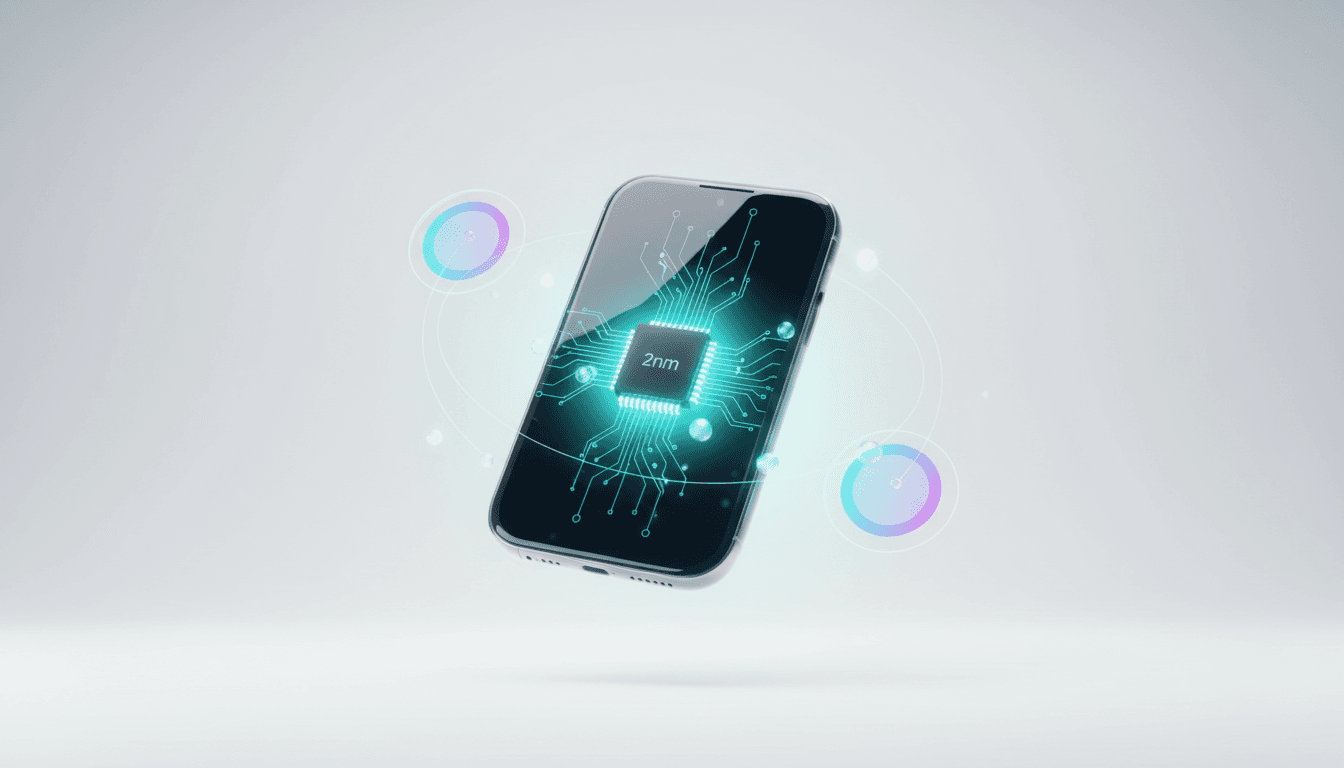
What happened: A leak from the tech supply chain has attached a specific, high-performance System-on-Chip (SoC) to the long-rumored OpenAI phone. This isn't just another spec—a 2nm chip suggests a massive focus on power efficiency and sustained on-device AI processing, addressing the core technical hurdles that crippled previous AI hardware attempts. From what I've followed, these supply chain details often come from reliable sources, the ones who handle the actual fabrication runs.
Why it matters now: This move represents the next front in the AI war, shifting the battleground from cloud-based models to the user's pocket. By attempting to build an "agent-first" OS on custom-class hardware, OpenAI is challenging the fundamental business model of the App Store and Google Play. It’s a direct response to the market’s appetite for true ambient computing, a promise on which earlier gadgets spectacularly failed to deliver. But here's the thing: in a world where we're all glued to our screens, anything that reimagines that dependency could ripple out far and wide.
Who is most affected: This directly targets the OS incumbents, Apple and Google, by threatening their app-based ecosystems. For developers, it signals a potential new platform where "agent skills" could become more valuable than standalone apps. For chipmakers like MediaTek, it’s a massive opportunity to break into the premium tier by becoming the silicon provider for the agentic computing era. Plenty of reasons, really, why this could shake things up for everyone involved - or at least that's the hope behind the rumor.
The under-reported angle: Everyone is focused on the "AI phone" concept, but the real story is the chip strategy. The choice of a 2nm MediaTek SoC isn't just a component choice; it's a strategic bet that dedicated, power-efficient NPUs are the only way to run a persistent on-device agent without catastrophic battery life. OpenAI is betting that the hardware, not just the software, was the reason the first wave of AI gadgets failed. That said, if they've got this right, it might just be the missing piece we've all been waiting for.
🧠 Deep Dive
Have you ever stopped to think how trapped we feel in the endless cycle of opening apps, just to get one simple thing done? The idea of an OpenAI phone is less about a new piece of glass and metal and more about a fundamental reset of our relationship with mobile computing. For over a decade, the smartphone has been a container for apps - discrete, siloed programs we tap into and out of, often with a sigh. The rumored OpenAI device, powered by an advanced 2nm MediaTek chipset, is designed to shatter that model. Instead of you opening Uber, then Maps, then a messaging app, an "agent-first" OS would understand your intent — "Get me a ride home and let my partner know I'm on my way" — and orchestrate the necessary services in the background, quietly handling the details.
This vision is not new, but the alleged approach is. First-generation AI hardware like the Humane Ai Pin and Rabbit R1 tried to deliver this future but were plagued by slow performance, unreliable connectivity, and abysmal battery life. They treated the AI as a cloud-based accessory, which, let's face it, felt more like a gimmick than a game-changer. The rumor of a cutting-edge 2nm MediaTek Dimensity 9600 chipset suggests OpenAI has learned this lesson: a true agentic device requires immense, persistent, and power-efficient on-device inference. The 2nm fabrication process is key, as it promises the performance-per-watt needed to run a complex AI agent continuously without draining the battery in two hours. This is the hardware foundation that was missing before - the kind of efficient powerhouse that could actually make ambient computing feel seamless.
However, the primary challenge is no longer technical feasibility but ecosystem gravity. An agent-first phone running a forked Android or a custom OS faces the monumental task of replacing a user's entire digital life. It's not enough to perform tasks; it must integrate seamlessly with the thousands of APIs and services that apps currently manage. This raises critical questions for the developer ecosystem. Will OpenAI release an SDK for creating agent "skills"? How will monetization work in an "app-less" world? Convincing developers to build for a third OS is a challenge that has defeated giants like Microsoft and Samsung - and it'll take more than good tech to pull it off.
Ultimately, the OpenAI phone rumor is a litmus test for the future of AI interfaces. It pits the brute force of a dedicated hardware/software stack against the entrenched, app-based ecosystems of iOS and Android. If successful, it proves that the path to Artificial General Intelligence runs not just through the cloud, but through a purpose-built device in your hand - something we carry everywhere, every day. If it fails, it will become another cautionary tale, reinforcing the immense power of the Apple and Google platform moats, and leaving us to wonder what might have been.
📊 Stakeholders & Impact
AI / LLM Providers
Impact: Transformative. Insight: A successful agentic phone would give OpenAI a direct, owned channel to end-users, reducing its dependency on other platforms and capturing invaluable interaction data for model training. It's the kind of control that could accelerate everything from personalization to rapid iteration.
Google & Apple
Impact: High. Insight: This is a direct threat to their core OS and App Store business models. An "agent-first" UI could make app stores, and their 30% cut, increasingly irrelevant - potentially upending billions in revenue streams overnight.
MediaTek & Chipmakers
Impact: High. Insight: For MediaTek, this is a bid to dethrone Qualcomm in the premium space by becoming the go-to silicon for agentic computing. It redefines chip architecture around NPU performance and efficiency, turning what was once a niche play into a cornerstone bet.
App Developers
Impact: Significant. Insight: The entire app development paradigm could shift from building visual UIs to creating backend "skills" or "actions" that an OS-level agent can call. This creates a new market but obsoletes old ones, forcing a rethink on skills that might pay off big - or leave some behind.
Humane, Rabbit, etc.
Impact: N/A. Insight: Validates their initial vision but underscores their execution failure. OpenAI's rumored hardware-first approach is a direct critique of their cloud-dependent, underpowered strategies, almost like a do-over with deeper pockets and smarter specs.
✍️ About the analysis
This is an independent i10x analysis based on public reporting and research data covering recent AI hardware developments and supply chain rumors. Our synthesis connects these events to broader strategic trends in the AI industry, framed for developers, product leaders, and strategists building the next generation of intelligent systems. It's the sort of overview that tries to cut through the noise, pulling together threads that might otherwise stay scattered.
🔭 i10x Perspective
The rumored OpenAI phone isn't a hardware product; it's a system-level argument for how intelligence should be delivered. By pairing a custom agentic OS with a next-generation 2nm chip, OpenAI is betting that the current app-based smartphone is a dead end - a temporary vehicle for AI, not its final form, something we've outgrown without quite realizing it. The critical unresolved tension is not whether the AI can perform the tasks, but whether a software company can master the brutal, low-margin gauntlet of hardware manufacturing, global logistics, and carrier politics. This venture will either define the next decade of personal computing, reshaping how we interact with the world in our pockets, or become a very expensive lesson in why platforms are so hard to kill - one that echoes long after the hype fades.
Related Posts

Enterprise AI Scaling: From Pilot Purgatory to LLMOps
Escape pilot purgatory and scale enterprise AI with robust LLMOps, FinOps, and governance frameworks. Learn how CIOs and CTOs are operationalizing LLMs for real ROI, managing costs, and ensuring compliance. Discover proven strategies now.
Satya Nadella OpenAI Testimony: AI Funding Shift
Unpack Satya Nadella's testimony on Microsoft's role in OpenAI's nonprofit to capped-profit pivot. Explore implications for AI labs, hyperscalers, regulators, and enterprises amid antitrust scrutiny. Discover the stakes now.

OpenAI MRC: Fixing AI Training Slowdowns Partnership
OpenAI partners with Microsoft, NVIDIA, and AMD on the MRC initiative to combat slowdowns in massive AI training clusters. Standardizing diagnostics for better reliability, throughput, and cost efficiency. Discover impacts for AI leaders.