Tokenization Drift: Hidden Threat to LLM Reliability
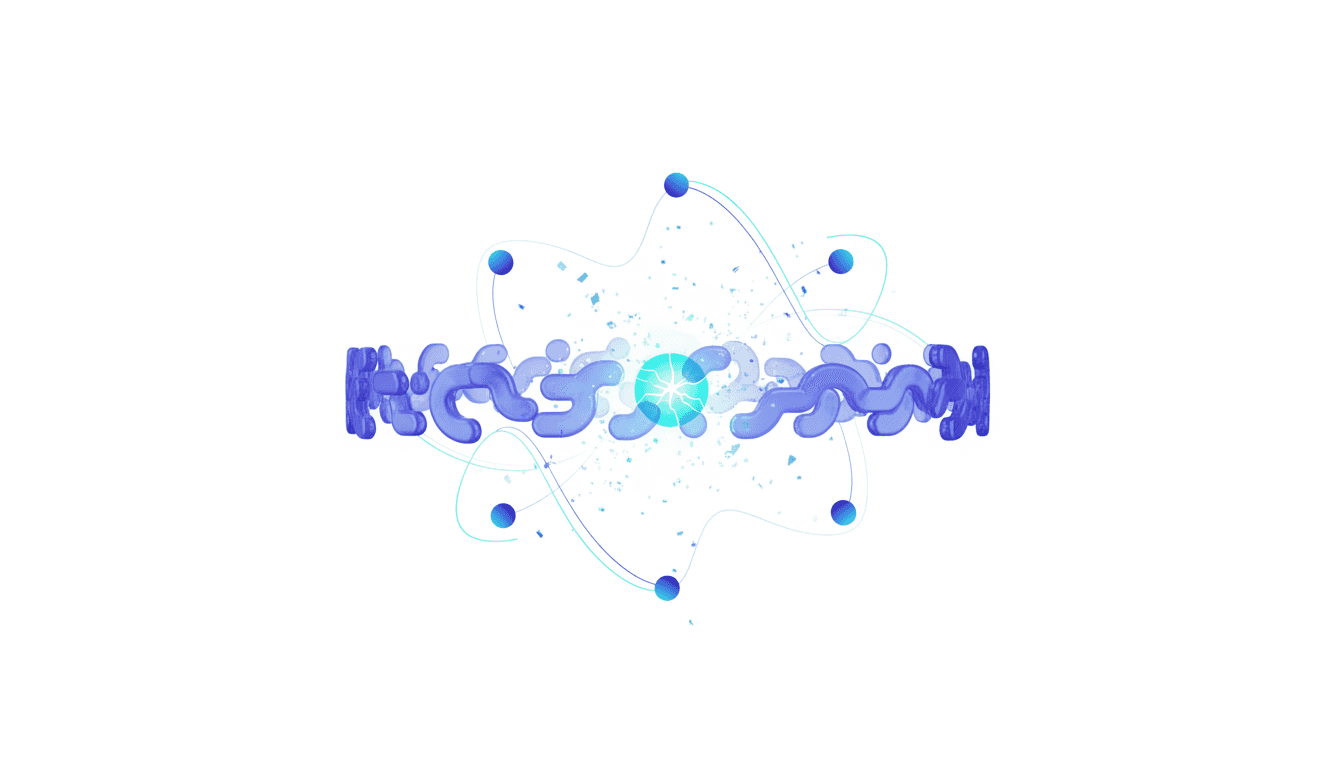
Tokenization Drift
⚡ Quick Take
Tokenization Drift is the silent killer of LLM reliability. It's this sneaky issue where tiny, non-meaning tweaks to your input—like an extra space, a wonky apostrophe, or some Unicode quirk—can throw off how the model breaks down the text, and suddenly, performance goes haywire in ways you never saw coming. This isn't some flaw in the model itself; it's more like a crack in the whole setup, turning what should be solid AI apps into something shaky and unreliable.
Summary
From what I've seen in the AI world lately, the engineering crowd is finally putting a name to it—"Tokenization Drift"—and treating it as a real headache in production. It's when those little formatting slips in prompts or data sets lead to big, surprise drops in how large language models (LLMs) perform. The culprit? The tokenizer, that behind-the-scenes bit that chops text into bits the model can handle, and it's picky about stuff we humans barely notice, like extra spaces or how Unicode gets normalized.
What happened
Have you ever poured hours into an LLM setup, only to watch it crumble when you shift from tinkering in a notebook to real-world deployment? That's the story as these models go from lab experiments to must-have tools in production. Devs are finding their benchmarks and outputs just aren't holding up— a prompt that shines in Jupyter might flop because a database tweaks the string or a web tool adds odd whitespace, rerouting the whole tokenization process.
Why it matters now
This kind of drift cuts right to the heart of what makes AI trustworthy— that steady, predictable vibe we all count on. It messes with your eval results, turns debugging into a nightmare, and sneaks in tech debt that piles up in every LLM feature. For businesses betting on consistent AI outputs, it's a quiet risk that could trip up operations big time.
Who is most affected
Think about the folks in the trenches—ML engineers, MLOps crews, and those prompt wizards—they're burning hours chasing what feels like ghost-in-the-machine glitches. But it ripples out to product leads and CTOs too, shaking up reliability and slowing down launches.
The under-reported angle
Sure, big players like OpenAI and Anthropic have tips on prompt tweaks in their docs, but that's just patching the surface. The real issue? It's a deeper lapse in how we build these systems. Lately, the industry's waking up to the fact that prompts and inputs deserve the full engineering treatment—version control, auto-checks for Unicode and spaces, solid testing setups—just like any code we ship.
🧠 Deep Dive
Ever wonder why your LLM acts one way in testing and another in the wild? Tokenization Drift lays bare how shaky some of these large language model setups can be, right from the ground up. At heart, it's a disconnect: the model's smarts tie straight to the tokens it learned on, yet getting from messy user input to those precise tokens is like navigating a minefield. One tiny, unseen swap—say, in "Hello!"—might split it into ['Hello', '!'] here and ['He', 'llo', '!'] there, flipping the script on what the model predicts next.
These drift sources? They're lurking everywhere in our data tools, often overlooked. Take Unicode normalization—NFC versus NFKC—where something like “é” versus “e” plus accent mark lands different tokens. Or a tokenizer update in libraries like tiktoken or SentencePiece that shifts rules just a hair. And don't get me started on how dev files, JSON in staging, or database fields in production each handle spaces and specials their own way, amplifying the chaos.
That's pushing MLOps folks to level up past basic prompt tweaks, layering in what they're calling "Input Infrastructure." It's less about nailing the ideal wording and more about locking in identical tokenization, every run, every setup. The smart move now is a tough "canonicalization" upfront in the pipeline—strip spaces hard, normalize Unicode consistently, and stick to one tokenizer version, no exceptions.
This mindset spills over into how we test, too. The frustration of evals that won't repeat is driving teams to craft ironclad harnesses. We're talking beyond seeds for randomness—freezing prompt templates, scrubbing datasets to a standard form, and running checks that flag tokenization slips across builds. It's about seeing the prompt and its tokens as a key output of your process, checked and guarded like software you compile. Really, the emphasis is moving from probing the model alone to auditing the full chain—from raw inputs to that final token flow, plenty of reasons to get it right.
📊 Stakeholders & Impact
Stakeholder / Aspect | Impact | Insight |
|---|---|---|
LLM Application Developers | High | Those unpredictable glitches and backslides often boil down to tiny data or template quirks—nothing obvious at first. It balloons debug time, as you're sifting for hidden chars instead of real code snags, which can feel endless. |
MLOps & Platform Teams | High | Pushing for rock-solid runs means rolling out fresh tools: CI/CD fences for prompts, handling tokenizer versions, and monitors that catch drift early. Your ML toolkit just got a lot bigger, but that's the price of stability. |
Model Providers (OpenAI, Anthropic) | Medium | It's not on them directly, yet this sparks user gripes and help requests galore. They're feeling the nudge to spell out more on normalization and steady token practices, like in the tiktoken guides—better late than never. |
Product & Business Owners | Significant | Live hiccups, spotty user interactions, and wobbly AI bits erode trust and hit your metrics hard. That unseen drag from flakiness? It adds up, fast—in ways that sting the bottom line. |
✍️ About the analysis
This piece pulls together insights from i10x, drawing on our look at docs from LLM makers, open tokenizer code, and fresh tips bubbling up in MLOps circles. It's aimed at the tech heads, builders, and managers steering production AI—those who know reliability isn't optional.
🔭 i10x Perspective
I've noticed Tokenization Drift as one of those telltale signs of AI engineering hitting its stride—or stumbling, depending on the day. With LLMs evolving from neat tricks to everyday workhorses, we need to pivot the talk from raw smarts to solid promises. The tokenization wobbles highlight that inputs aren't just data; they're like prepped components needing tight oversight.
Looking ahead to the next wave, what'll set winners apart isn't the flashiest model—it's the steadiest pipeline. Groups nailing the unglamorous stuff, from Unicode tweaks to prompt tracking and test automation, will craft the toughest, most worthwhile AI builds. In the end, AI's future hinges less on brilliance alone and more on that dependable backbone.
Related Posts

Enterprise AI Scaling: From Pilot Purgatory to LLMOps
Escape pilot purgatory and scale enterprise AI with robust LLMOps, FinOps, and governance frameworks. Learn how CIOs and CTOs are operationalizing LLMs for real ROI, managing costs, and ensuring compliance. Discover proven strategies now.

Satya Nadella OpenAI Testimony: AI Funding Shift
Unpack Satya Nadella's testimony on Microsoft's role in OpenAI's nonprofit to capped-profit pivot. Explore implications for AI labs, hyperscalers, regulators, and enterprises amid antitrust scrutiny. Discover the stakes now.
OpenAI MRC: Fixing AI Training Slowdowns Partnership
OpenAI partners with Microsoft, NVIDIA, and AMD on the MRC initiative to combat slowdowns in massive AI training clusters. Standardizing diagnostics for better reliability, throughput, and cost efficiency. Discover impacts for AI leaders.