
Digital Inclusion: Bridging the AI Divide
⚡ Quick Take
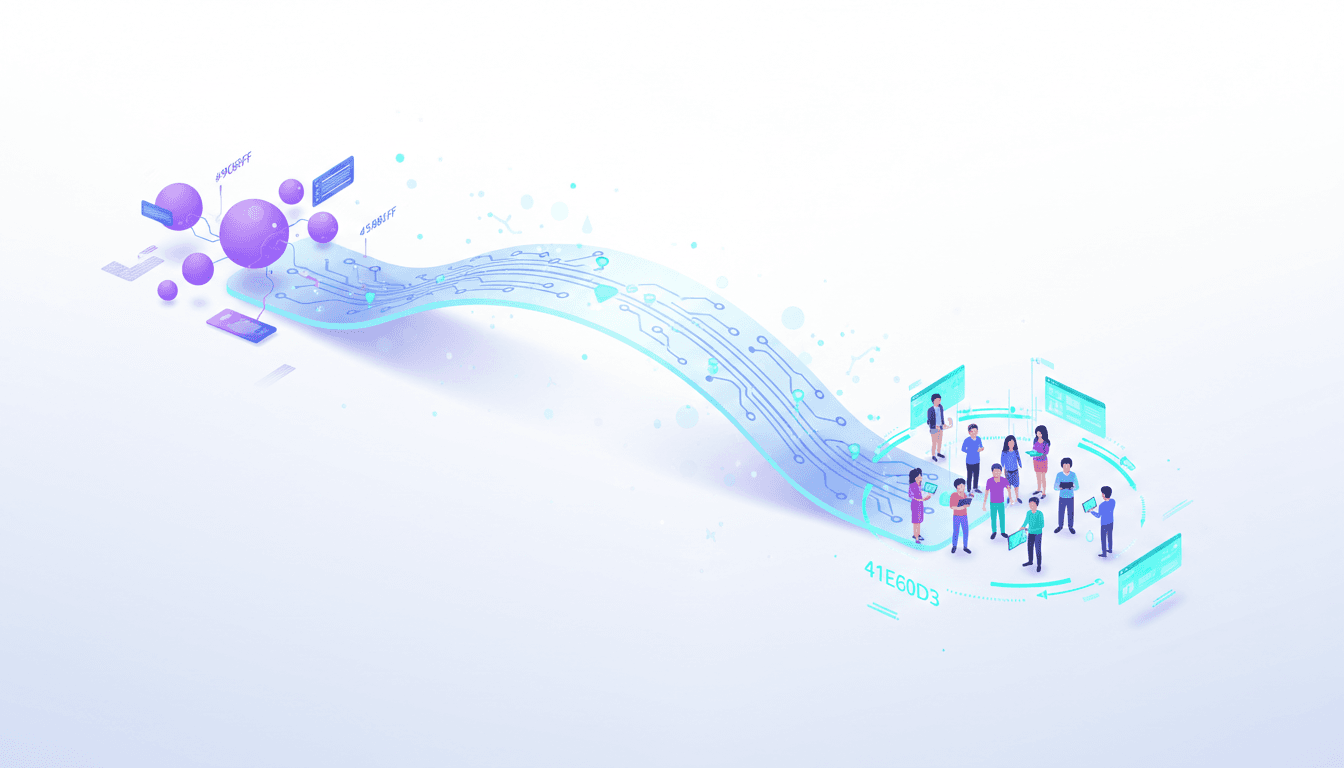
Isn't it striking how the AI revolution, with all its grand promises of lifting humanity up, keeps bumping up against something as basic as who can actually get online? That's the heart of it—Digital Inclusion. As AI models turn into the main drivers of how we work, connect, and create, we're falling short on making sure everyone has the devices, the broadband, and the know-how to join in. This isn't some side-issue in social policy, you know; it's the bedrock infrastructure that could make or break the scale, the real-world punch, and even the trust people put in this whole AI age.
Summary
The AI world is racing full tilt toward AGI and intelligence everywhere you look, but the unglamorous groundwork of Digital Inclusion—getting folks real access and the ability to use tech in ways that matter—is still patchy, underfunded, and scattered. That growing chasm between AI's breakneck speed and the slow, steady build of those entry points? It's carving out this new "AI Divide" that's set to sideline billions, if we're not careful.
What happened
There's this whole patchwork of players stepping up—non-profits like the NDIA (National Digital Inclusion Alliance), big international outfits like the UN, and grassroots spots in communities everywhere—laying out the blueprints for true digital equity. They frame Digital Inclusion as more than just plugging into the internet; it's this five-part setup: affordable broadband, the right devices, training in digital skills, hands-on technical help, and apps that actually work for anybody.
Why it matters now
With generative AI popping up in job hunts, doctor visits, you name it, being digitally savvy isn't optional anymore—it's table stakes for getting by in today's world. If we don't rally globally to close these gaps, history's most game-changing tools will end up catering mostly to those who already have it made, cranking up inequalities to eleven and shrinking the tech's reach to just a fraction of what it could be.
Who is most affected
The folks crafting AI and LLMs (who might end up making stuff that only echoes back to a narrow crowd), the regulators wrestling with AI's ripple effects on society, and those marginalized groups staring down yet another layer of exclusion in jobs and connections.
The under-reported angle
All this talk on Digital Inclusion bubbles away in policy circles and local meetups, totally cut off from the AI labs and the big builders calling the shots for the coming years. AI outfits roll out these lofty charters about "benefiting all of humanity," sure—but where's the plan for the nuts-and-bolts system to deliver on that? It's like Digital Inclusion is the overlooked piece in every major AI company's playbook, the one no one's scripting out.
🧠 Deep Dive
Have you ever paused to think how yesterday's "digital divide"—that old line between who had the web and who didn't—feels almost quaint now? From what I've seen in the field, it's outdated, plain and simple. Enter Digital Inclusion, this richer, trickier beast made up of five pillars that all lean on each other: affordable, reliable broadband; devices that actually connect you; building those digital skills and literacy; reliable tech support right when you need it; and apps built so anyone can dive in without a hassle. Groups like the NDIA and the United Nations have nailed this down over time—it's not enough to hand over a connection; you've got to make sure people wield it confidently, safely, and in ways that truly help.
Now, picture that setup slamming headfirst into AI's wild, exponential surge. The industry moves in months, dropping models that upend how we work and dream up ideas—it's relentless. But those five pillars? They're crawling along, mostly local efforts mired in policy wrangles, hefty infrastructure bills, and the gritty, one-on-one training at the community level. That said, here's the rub: we're engineering an AI-driven tomorrow for a planet where millions—hundreds of millions, really—can't even climb aboard the starting step.
The fallout for the whole AI scene is pretty stark. An AI model's strength, its fairness even, comes straight from the data it's fed and the real user input it gets. Sideline huge swaths of people—think rural spots, seniors, folks with disabilities, families scraping by—and what you end up with are models skewed from the jump, missing big chunks of reality. Built by the plugged-in, tuned for the plugged-in. That's not just a moral slip-up; it's a smart business headache waiting to happen. It caps your market, turns out products that crack under pressure, and don't mirror the messy world they're meant to tackle.
To bridge this, we need to flip the script—treat Digital Inclusion like the essential wiring for AI itself. The IxDF (Interaction Design Foundation) gets this right, stressing it's bigger than access alone: think WCAG standards for accessibility, keeping users safe, and designs that invite everyone in. AI builders can't just punt this to governments or charities and call it a day—they've got to roll up their sleeves. Questions like these keep coming up: How does our telehealth AI handle spotty rural bandwidth? Can that educational chatbot click for an older person fumbling on a library machine? What about earning trust with first-timers wary of the digital world? The blind spot's obvious—the AI crowd hasn't baked in standard metrics or ways to measure returns on inclusion efforts, leaving it as this wild card dependency nobody's tracking properly.
📊 Stakeholders & Impact
Stakeholder / Aspect | Impact | Insight |
|---|---|---|
AI / LLM Providers (OpenAI, Anthropic, Google) | High | Without inclusion, AI's Total Addressable Market is capped, models risk systemic bias from unrepresentative data, and "benefit humanity" charters lack credibility. |
Governments & Regulators | High | The policy focus must shift from basic connectivity (e.g., BEAD program) to "AI readiness"—funding advanced digital skills, safety protocols, and accessible public services. |
Enterprises & Businesses | Medium-High | The future of work, commerce, and customer service depends on a digitally fluent population. A lack of inclusion shrinks the potential customer and talent pools for AI-driven transformation. |
Non-Profits & Community Hubs (NDIA, Libraries) | Critical | These organizations are the frontline deployment infrastructure for inclusion but are underfunded and disconnected from the AI ecosystem. They should be treated as strategic partners, not afterthoughts. |
✍️ About the analysis
This independent analysis by i10x draws from a blend of solid frameworks out of policy reports, non-profit work, and design studies, all checked against what the top AI labs say they're aiming for. It's geared toward developers, strategists, and decision-makers shaping tomorrow's smart systems—and yeah, it's a nudge to factor in the on-the-ground setup needed to make them work for real.
🔭 i10x Perspective
I've noticed over the years how Digital Inclusion has often played second fiddle, like some afterthought trailing tech's big leaps. But in the AI age? It has to lead the charge. With smarts weaving into every corner of life, those basics—broadband, devices, literacy—aren't extras anymore; they're the must-haves.
The real showdown in AI won't boil down to the biggest model alone; it'll hinge on who crafts the widest, fairest rollout. The outfits that weave Digital Inclusion into their business DNA—not as a feel-good add-on, but as strategy core—those are the ones poised to unlock markets that span society, built to last.
Noticias Similares

AI Smart Pens: Evolution to Thought Partners
Discover how AI smart pens are evolving from simple handwriting digitizers to intelligent thought partners. Explore market trends, key players like Livescribe and Nuwa, and rumors of an OpenAI-Jony Ive device that could redefine ambient computing. Learn the impacts on users and the industry.

Google Gemini Vision Boards: 2026 Goals Trend
Explore the viral Google Gemini vision board trend for 2026 goals. Learn how users create personalized visuals and actionable plans, integrating AI with Google Workspace for enhanced productivity. Discover the impact on users and apps.

Anthropic Claude: Boosting Productivity and Capital Efficiency
Discover how Anthropic's latest research shows Claude enhancing employee productivity with significant time savings and better unit economics. Explore TCO insights for enterprise AI adoption. Learn more about the shift to sustainable AI.