Remember when AI code completion felt like a straightforward win? Well, those days are behind us. What’s taking shape now is a fresh approach to engineering—one that turns Large Language Models from quirky sidekicks into reliable “co-engineers,” all through structured, agentic workflows. These ideas, first honed on models like OpenAI’s Codex, have become the essential groundwork for rolling out heavier hitters like GPT-4 and Claude 3 in real-world software projects without the headaches.
Quick Take
- Summary: Best practices for weaving AI into coding are evolving fast, moving past basic prompts toward intricate agentic loops. Think breaking down tough problems, sticking to test-driven development, looping in self-repairs, and hooking up external tools—essentially, wrapping the LLM in a solid system to lock in dependable results.
- What happened: From what I’ve seen in developer circles, the old habit of firing off one-off “code this for me” prompts is fading. Savvy teams are crafting setups that nudge LLMs to plan ahead, run the code, check it with tests, and fix their own messes—it’s like squeezing a full software lifecycle into a compact, automated routine.
- Why it matters now: With AI handling bigger challenges, say refactoring old code or juggling CI/CD pipelines, winging it with simple prompts just invites trouble. This methodical, test-focused way is really the only smart route to amp up AI in engineering while holding the line on quality, security, and upkeep. It’s what separates a flashy shortcut from a true partner you can count on.
- Who is most affected: Folks like software engineers, team leads, and DevOps pros are feeling this shift head-on. Their jobs aren’t just about tapping into AI anymore—they’re about designing and overseeing these smart systems. Winning here means getting good at prompt crafting, system building, and setting clear ways to measure success.
- The under-reported angle: So many resources zero in on the handy tips, but they skim over the real discipline it takes to make this stuff professional-grade. The big win, I’d say, is in sharing ready-to-use agent templates, hard numbers on improvements—like how often unit tests pass—and solid security measures for live setups. Skip that, and agentic coding stays a patchwork hobby, not the scalable practice it could be.
Deep Dive
Have you caught yourself wondering why the early buzz around AI code tools hasn’t fully lived up to the hype in day-to-day work? That initial thrill from something like OpenAI’s Codex—spinning code out of plain English—has settled into something more grounded. The “wow” factor bumped up against the hard edges of real engineering: the need for steady output, rock-solid reliability, and tight security. Top developers didn’t ditch AI in frustration, though. No, they’ve reined it in, shifting from seeing LLMs as all-knowing wizards to viewing them as potent engines that need a sturdy framework around them to shine.
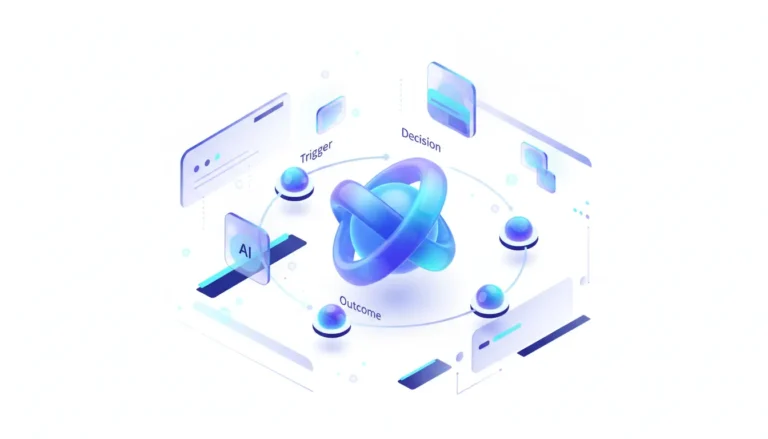
At the heart of this change is the agentic loop: that repeating rhythm of Plan-Execute-Evaluate-Repair. Rather than dumping a massive task on the AI and crossing your fingers—which often flops—the work gets sliced into bite-sized, checkable pieces. The AI doesn’t just spit out code for each bit; it crafts the unit tests too, setting its own bar for what’s good enough right from the start. Then, in a safe, isolated space, the code runs, the tests fire, and if things go sideways—well, the feedback loops back to the LLM for tweaks, round after round, until it clicks.
But here’s the thing: this goes beyond smarter prompts. It’s full-on systems design. I’ve noticed how devs are piecing together state machines to steer the LLM’s path, tossing in retry mechanisms for those pesky glitches and strict formats to keep outputs clean and usable. Forget cramming context into prompts by hand. Now, they’re tweaking Retrieval-Augmented Generation (RAG) for codebases, so the agent grabs just the right docs, function details, or snippets as needed—smartly dodging the model’s context limits while feeding it what matters.
And let’s not gloss over the security side, which feels crucial yet gets short shrift sometimes. Your AI “co-engineer” has to play by the same rules as any human on the team. That means rigging agents with controlled tool access—no poking at live APIs or secret files—vetting any library suggestions for risks, and weaving in auto-scans during the check phase. The real test ahead? Turning this bag of advanced tricks into a polished, enterprise-ready craft for the AI-powered dev world.
Stakeholders & Impact
| Stakeholder / Aspect | Impact | Insight |
|---|---|---|
| Software Engineers & Developers | High | You’re moving from straight coding to architecting AI systems—designing those loops, testing them out, and keeping them humming, instead of just building the app itself. |
| Engineering Managers & CTOs | High | Time to rethink metrics for AI-boosted work: zero in on how reliably tasks wrap up, bugs drop, and teams speed along. Guardrails for oversight and safety? Non-negotiable now. |
| DevOps & SRE Teams | Significant | These AI agents are like new services in your pipeline—ones you’ll monitor, tweak, and secure with fresh protocols, logging, and defense strategies. |
| AI Model Providers (OpenAI, Anthropic, Google) | Medium | All this talk of agentic setups and tool integration backs the push toward models that excel at calls and functions. Down the line, they’ll stand or fall on how they perform in these cycles, beyond just churning out text. |
About the analysis
Researched and written with AI assistance under the editorial responsibility of the i10X News team. The title image is an AI-generated illustration. Read our AI Use Policy. Spotted an error? Request a correction.
This piece pulls together an independent take from i10x, drawing on a sweep of developer guides, model docs from the source, and those grassroots patterns bubbling up in communities. It’s aimed at software engineers, managers, and tech leads ready to push past entry-level AI helpers toward crafting autonomous, trustworthy tools for the long haul.
i10x Perspective
Ever reflect on how prompt tweaking has given way to full agentic designs, and what that says about AI’s growing up in dev work? It’s a key turning point, pointing to a time when a company’s edge comes less from picking the hottest LLM and more from the custom setups they craft to guide it. Over the coming years, the push-pull will be fierce: foundation models exploding in power, while we scramble to layer on the controls—engineering smarts and safety nets—to keep them in check. As these agents graduate from lone functions to whole-system builders, mastering how to test, verify, and harness them? That’ll be the gold-standard skill in engineering.