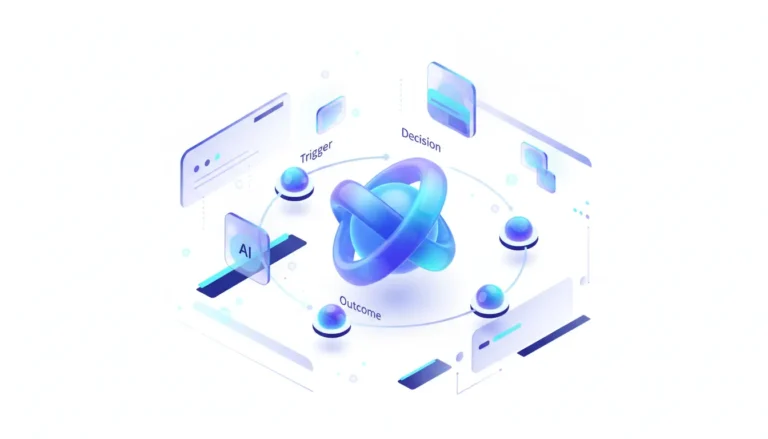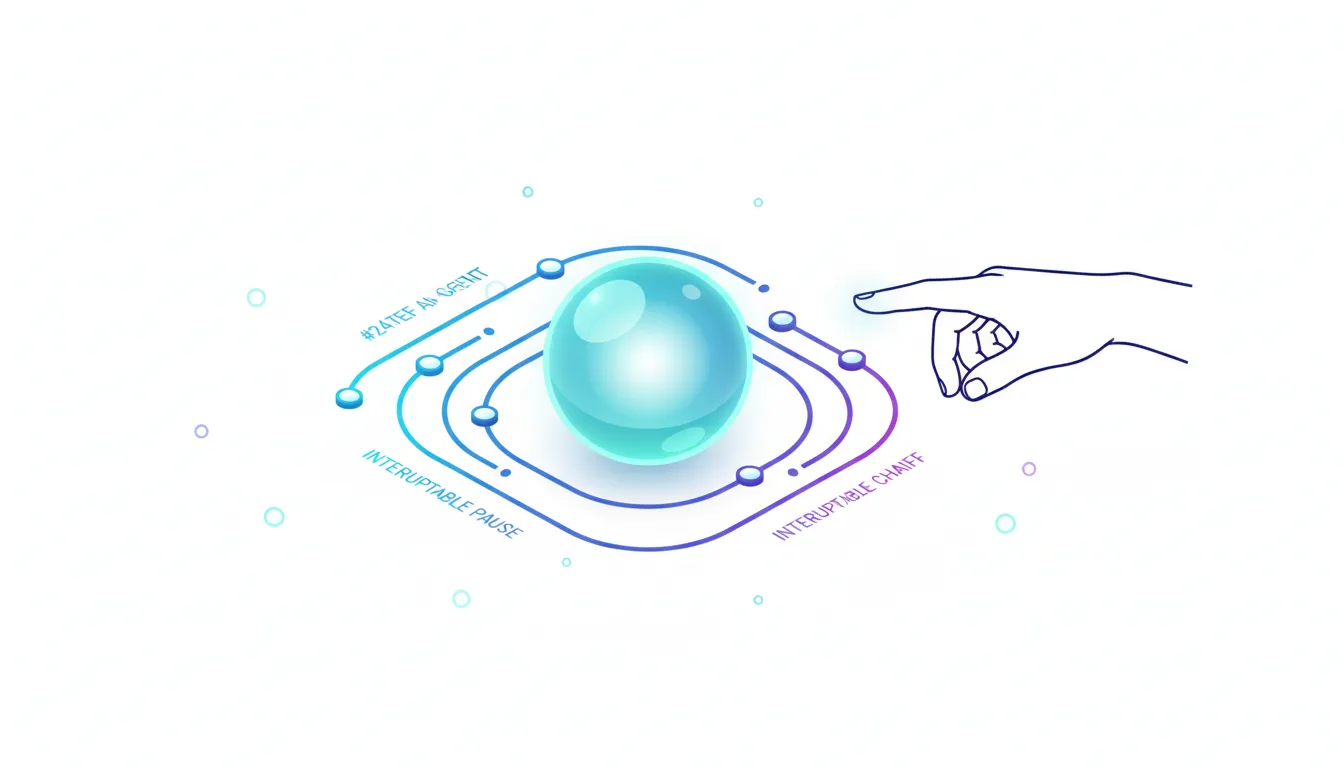
As AI moves from stateless chatbots to complex, long-running agents, a new architectural pattern is emerging to ensure reliability and control. “Agentic UI” isn’t just about dynamically generating interfaces; it’s a full-stack blueprint for building stateful, interruptible, and production-ready AI systems where human oversight is a first-class citizen.
Quick Take
- Summary: I’ve been keeping an eye on this shift, and it’s clear that a new architectural pattern called “Agentic UI” is gaining real traction among AI developers. It pulls together principles of generative UI with those tried-and-true ideas from distributed systems—things like event-sourcing, checkpointing, and human-in-the-loop (HITL) approval flows—to create robust, long-running AI applications that can handle the real world.
- What happened: Developers keep running into the walls of basic prompt-chaining. Now they’re formalizing patterns that actually give agents proper state, memory, and the chance to pause and pick up without drama. This is showing up in a couple of key ways: dedicated frameworks such as LangChain’s LangGraph, which come with built-in tools for graphs and interrupts, and a broader push to roll these out from scratch, using as few extra pieces as possible.
- Why it matters now: As agents take on more independent tasks with real consequences, the dangers of unchecked errors increase sharply. Agentic UI supplies essential guardrails: deterministic state, clear approval points, and solid audit trails. These are what turn flashy demos into dependable, enterprise-ready services.
- Who is most affected: This hits hardest for AI application engineers, product-focused companies, and platform teams. They face the choice of adopting opinionated frameworks to move quickly or building custom setups that offer full control and long-term visibility.
- The under-reported angle: The conversation has moved past the mere act of generating UI from an LLM. It’s now about how to keep systems reliable under production pressures. The hardest engineering challenges are backend concerns: state synchronization, preventing duplicated actions, securing approvals, and recovering from crashes—issues that resemble the problems solved in transactional systems more than in quick chatbot prototypes.
Deep Dive
Ever wonder what it takes to turn a clever AI chat into something that can actually stick around and get things done without falling apart? The rise of AI agents is pushing us into that territory, shifting from simple back-and-forth conversations to interactive, goal-oriented systems. That jump brings engineering headaches around keeping everything steady and under control. The “Agentic UI” pattern is how the market’s pushing back, ditching shaky, make-it-up-as-you-go agent loops for something tougher and easier to watch.
At its heart, Agentic UI tackles the big issue of agent state head-on. You can’t have an agent juggling multi-step jobs and pretend it’s stateless; that just leads to chaos. To keep things predictable, developers are leaning into event-sourced models—an approach familiar from distributed systems. Instead of adjusting state directly, the system logs each “action” or “event” in sequence. The current state is reconstructed from that log. This gives an immutable audit trail, makes deterministic replay possible for debugging, and allows rewinding or undoing actions when necessary.
What sets this architecture apart is how it handles pauses and human oversight. Since an agent’s run is a chain of events, you can build explicit stops—say, right before a money transfer or code deployment—and await a human decision. Tools like LangGraph make this concrete with “checkpointing” features that let you snapshot state, inspect it, and resume later. That elevates human approval from an afterthought to an integral, auditable part of the workflow.
The developer ecosystem is splitting around how to adopt these ideas. Frameworks like LangGraph and LlamaIndex offer high-level primitives—state handling, interrupts, tool integration—that speed up building agentic systems. Meanwhile, some engineers prefer a first-principles approach: minimal frameworks, home-grown event logs (even SQLite-backed), and bespoke streaming over HTTP. Each path trades speed and convenience for control and transparency in different ways.
Ultimately, the move toward Agentic UI signals that productionizing AI apps is the real next step. The agents that matter for business will be defined less by flashy capabilities and more by operational reliability: secure, role-based approvals; idempotency to make retries safe; usable, searchable logs; and robust failure recovery strategies.
Stakeholders & Impact
| Stakeholder / Aspect | Impact | Insight |
|---|---|---|
| AI Application Developers | High | Provides a clear architectural path to move agents from prototype to production. They must now master concepts like event sourcing, state management, and interrupt handling. |
| Enterprises & Product Orgs | High | Unlocks the ability to safely deploy agents for high-stakes, mission-critical tasks by embedding human oversight and auditability directly into the system’s design. |
| AI Frameworks (LangChain, etc.) | High | The race is on to provide the best abstractions for this pattern. Frameworks that offer robust, easy-to-use primitives for checkpointing, state, and interrupts will gain significant adoption. |
| End-Users of Agentic Apps | Medium | Users will interact with more powerful yet safer AI tools. They will be explicitly asked for approval at key moments, increasing their trust and control over the system’s actions. |
About the analysis
Researched and written with AI assistance under the editorial responsibility of the i10X News team. The title image is an AI-generated illustration. Read our AI Use Policy. Spotted an error? Request a correction.
This analysis is an independent synthesis produced by i10x. It draws from a close look at technical docs from top AI frameworks, hands-on developer tutorials, and the fresh buzz in architectural talks across the AI engineering scene. It was written with developers, engineering managers, and product leads in mind—those shaping the next wave of AI-native applications.
i10x Perspective
From what I’ve seen, the Agentic UI pattern marks the end of AI’s “demo-ware” era and the start of a phase where the infrastructure around the LLM matters as much as the model itself. This shift brings distributed-systems disciplines into ML engineering—reliability, auditability, and secure human gates become first-order design concerns.
It will reshape the field. Platform leaders will be judged not only by model performance but by how well they deliver ready-made infrastructure for stateful, pausable, and auditable flows. The open challenge remains: let agents act autonomously to solve hard goals while preserving essential human verification. Agentic UI feels like the first solid swing at threading that needle.