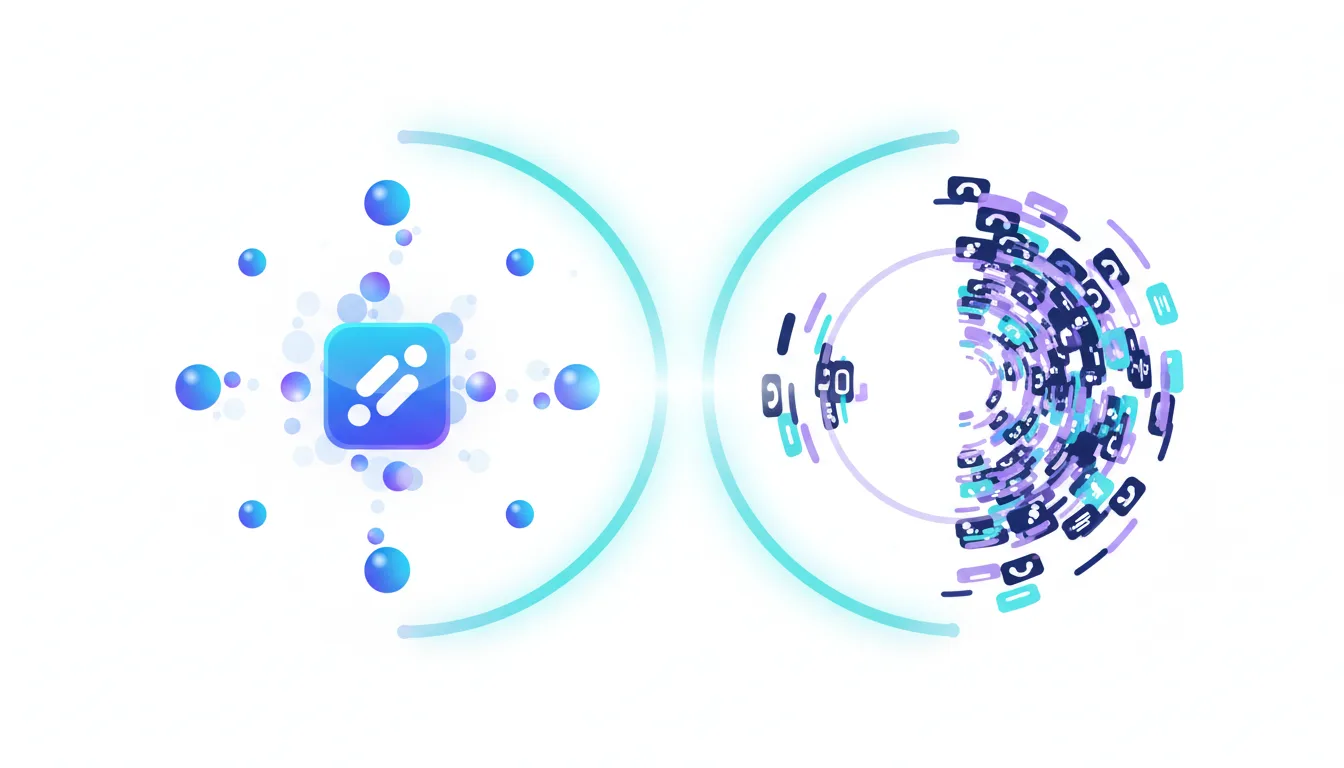
Have you ever wondered why social media feels like it’s pulling in two different directions at once? AI is doing just that—splitting the landscape into two clear battlegrounds. On one side, there’s this productivity sprint where brands are rolling out AI tools to crank out and schedule content on a massive scale. Then there’s the bigger, more pressing fight over those AI-driven recommendation engines that run the platforms themselves. These systems are catching heat for stirring up user anxiety and messing with the whole information flow. The real crux isn’t about using AI anymore; it’s about who controls the AI that decides what we see and how it hits us emotionally.
Quick Take
- Summary: The talk around “AI in social media” is branching off in unexpected ways. One path dives into the hands-on tools that help marketers boost their efficiency, while the other takes a harder look at the deeper societal fallout from those core AI algorithms shaping user feeds—think how they ramp up Fear of Missing Out (FOMO) and chip away at our sense of control.
- What happened: Tools from places like HubSpot, Buffer, and Sprout Social have turned generative AI into a no-brainer for whipping up marketing content. At the same time, the recommendation systems at the heart of TikTok and Instagram are getting bolder, fine-tuned for maximum engagement, which has sparked more gripes from users about junky feeds, addictive pulls, and that nagging anxiety.
- Why it matters now: This split is brewing some real tension, isn’t it? Marketers are pouring AI-generated stuff onto platforms to snag eyeballs, but the AIs sorting through it all are building these feedback loops that can ding user well-being and even public conversation. It’s drawing serious eyes from regulators, especially in the EU, and that’s not going away anytime soon.
- Who is most affected: Everyday users, particularly the younger crowd, are bearing the brunt on the mental health front from these engagement-hungry feeds. Marketers have to walk a tightrope—leveraging AI for speed without churning out content that blends into the automated noise. And platform giants like Meta and TikTok? They’re squeezed between their ad-driven cash flow and the push for more openness and user say-so.
- The under-reported angle: A lot of the chatter gets trapped in this either/or—either “here’s your marketing playbook” or “tech is ruining everything.” But from what I’ve seen in the trenches, the real shift is toward something else: practical blueprints for AI that serves the public good. We’re talking user-led recommendation setups, open standards like ActivityPub that give people options, and verification tech like C2PA to rebuild some trust in what’s real.
Deep Dive
Ever feel like AI in social media is living two lives, depending on where you stand? That’s the fracture we’re dealing with these days. Marketers, for instance, are living in what feels like a boom time for getting things done. Tools from Hootsuite, Sprout Social, and HubSpot are weaving in generative AI to tackle those nagging headaches—busting through writer’s block, keeping schedules on track, and feeding the beast for new content, day in and day out. For businesses, it’s like having a supercharged assistant that scales up output and tracks returns like never before. This is AI as the reliable sidekick, making life smoother.
But here’s the thing—there’s another layer, one that’s quieter but hits users right in the gut. That’s the AI powering the recommendation engines, the beating algorithmic core of spots like TikTok, YouTube, and Instagram. Its job isn’t to assist; it’s to keep you locked in. These setups dig deep into your habits, predicting just what’ll make you scroll longer, watch more, click endlessly. As pieces from WIRED and MIT Technology Review have pointed out—and I’ve noticed this pattern in user stories—a big side effect is how it cranks up social anxiety and that Fear of Missing Out (FOMO). It’s not just your friends’ updates; it’s a curated flood of the flashiest, most enviable moments from a global pool, leaving you with this lingering feeling that you’re always a step behind.
And that spins into a tough loop. Marketers lean on AI to pump out more to grab that attention, which only starves the recommendation beasts further. What you get? Feeds that start feeling cluttered with cheap AI spam or outrage bait, pushing real interactions to the sidelines. The fixes from marketing tech—churn it out quicker, smarter—can end up fueling the fire instead of dousing it.
That’s when the story turns from pointing fingers to building something better. Against the black-box dangers and real harms, there’s momentum building for “public-interest AI“—not some pie-in-the-sky notion, but solid tech and rules to back it up. Take the EU’s Digital Services Act (DSA), pushing for real insight into how recommenders work. Or standards like C2PA, which let you spot human-crafted stuff from AI illusions. And looking ahead, it hints at digital commons where things like ActivityPub let users pick their own filters, shaking off the stranglehold of one addictive feed for all.
Stakeholders & Impact
- Social Platforms (Meta, TikTok, X)Impact: Critical
Their whole setup—ads fueled by AI recommenders chasing engagement—is turning into a hot-button risk, both legally and socially. It’s a tough spot: balancing what users want, what advertisers demand, and what regulators are cracking down on, all pulling in different directions. - AI / LLM Providers (OpenAI, Anthropic, Google)Impact: High
How their tech gets viewed is on the line here. They’re great for sparking ideas, sure, but if platforms mishandle things, they could get tagged as spam factories or misinformation spreaders. The push now? Smarter rollouts with checks you can actually trace. - Marketers & CreatorsImpact: High
The efficiency boost from AI is huge—no denying that—but with content getting so easy to fake, standing out means doubling down on realness and people-first approaches. Treat AI like a smart partner in the creative process, not a button that spits out filler. - Users & SocietyImpact: Significant
This hits home on mental health, trustworthy info, and how we talk as a society—all shaped by those algorithm picks. Things are tipping from just taking it in to folks wanting real say and control over their online world.
About the analysis
Researched and written with AI assistance under the editorial responsibility of the i10X News team. The title image is an AI-generated illustration. Read our AI Use Policy. Spotted an error? Request a correction.
This i10x analysis pulls together threads from industry news, studies on how digital life affects our heads, and the latest in policy moves. It’s aimed at product folks, strategy minds, and engineers crafting tomorrow’s AI and social setups—who need to zoom out from the day-to-day grind and grasp the bigger currents shaping it all, plenty of reasons to, really.
i10x Perspective
What if the real evolution in AI and social media isn’t just about making posts, but rethinking who calls the shots on what shows up? That’s where the conversation’s headed, maturing fast. The strategic edge now lies in steering those curation AIs, not just riding them. Picture social spaces where it’s not one flawless feed ruling everything, but options tailored to you—some for hunting down trends, others for happy accidents, and a few for those low-key, meaningful links.
The big question hanging there, though—and it’s one I’ve been mulling—is whether the big, centralized players can truly loosen their grip on those profit-pumping, engagement algorithms. If not, we’re looking at a decade where people bolt for decentralized spots run by communities, where giving users the reins isn’t an add-on; it’s baked in from the start. The days of that catch-all feed? They’re fading, bit by bit.