Have you ever wondered if the rush to adopt AI tools is leaving us with more headaches than help? The first wave of AI productivity was about grabbing whatever tools came along; the next, well, it’s about piecing together systems that actually last. As the market overflows with apps all swearing they’ll speed up your workflows, the tough part isn’t just going faster—it’s making sure the results hold up. Lately, the talk has swung away from those endless lists of must-have gadgets toward crafting sturdy, checkable, and risk-smart AI-boosted workflows that dodge the sneaky pitfalls like endless fixes, wild inventions, and legal slip-ups.
Quick Take
- Summary: The world of AI productivity tools is growing up, moving past those basic “Top 10” roundups. Sure, reports from Stanford HAI and Anthropic back up the real wins in getting things done quicker, but now there’s this sharper discussion bubbling up about the downsides of AI slip-ups—things like redoing work, spreading false info, and tripping over intellectual property worries. The sharpest companies out there? They’re ditching the random tool grabs for solid, provable setups that weigh speed against getting it right.
- What happened: We’ve seen this explosion of AI productivity tools, turning the space into a noisy mess for folks in knowledge jobs and big outfits alike. That early buzz, fueled by numbers showing tasks wrapping up in half the time, is cooling off as people wrestle with the nitty-gritty of handling what AI spits out. It’s laid bare this big divide: AI promises smooth sailing to more output, but to make it work for real, you need humans watching closely, double-checking, and laying down some order.
- Why it matters now: Here’s the rub with AI’s productivity puzzle—it’s turning into a real headache for businesses. Imagine drafting something ten times quicker, only for fact-checking and risk-proofing to eat up eleven times longer; that’s no bargain, is it? With AI sinking deeper into key operations, one off-base invention or rule-breaking moment can wipe out all those time savings. So, the smart move is flipping the script—from tracking sheer volume to chasing output you can count on, one that’s traceable and solid.
- Who is most affected: Those on the ground, like researchers, analysts, and writers handling brainy work, feel it first—they’re juggling the pull of quick wins against keeping standards high. Leaders running teams? They’re scrambling to write fresh guides for how to use AI without chaos. And the tech bosses, CTOs, IT heads—they’re on the hook for tackling the security holes, privacy snafus, and IP threats these tools drag in.
- The under-reported angle: A lot of the chatter out there just tallies up tools, without digging into where they fall flat. But the real story, the one not getting enough airtime, is this Total Cost of Bad Outputs—all that pricey, draining work to patch up what a mishandled AI messes up. That’s where the edge lies, you know—not in firing up AI, but in designing a setup from day one that keeps those costs low, or better yet, invisible.
Deep Dive
Ever caught yourself excited about AI’s big promises, only to hit a wall when things go sideways? The allure of generative AI has pretty much become the poster child for shaking up how we work—productivity on steroids, you might say. We’ve got this flood of tools washing over businesses, everything from writing helpers and note-takers for meetings to full-blown automation setups. Big names like Zapier, RingCentral, and Webex are pitching AI as the must-have glue in today’s work ecosystem. And the early data? It holds water. Benchmarks from the Stanford AI Index and Anthropic point to real jumps in speed for stuff like writing drafts, coding bits, or crunching analyses. So far, so good—that initial thrill of just doing it all faster has owned the spotlight.
That said, a calmer view is creeping in, the kind that looks at the ripple effects. The same quickness that hooks you can unleash a storm of plausible-sounding mistakes, cranked out in bulk. Call it the AI productivity paradox, if you will. Picture a marketing crew churning out 50 blog posts in an hour—impressive, right? But toss in quiet fabrications, biased slants, or borrowed ideas without credit, and the fixing frenzy afterward could grind the whole team to a halt. From what I’ve seen in these shifts, the questions are evolving: less about picking the right gadget, more about “How do I create a process I can actually rely on?”
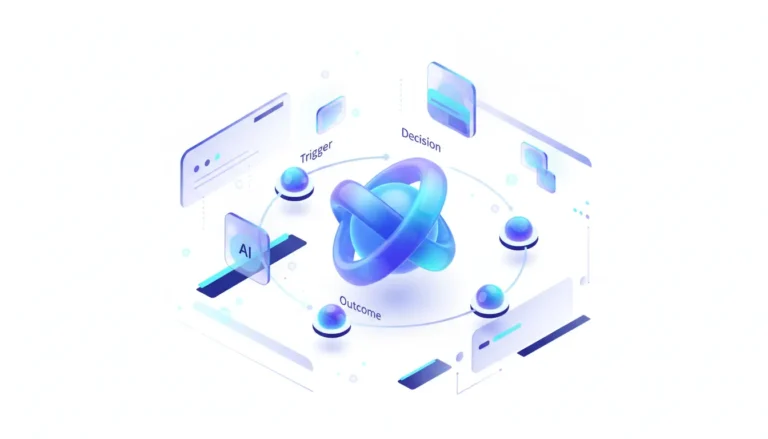
This is the pivot from shiny new toy to something built to endure. Wise folks aren’t chasing the hottest pick from some online roundup anymore; they’re sketching out workflows where humans stay in the mix, with firm boundaries drawn. Think Retrieval-Augmented Generation (RAG) to anchor what AI says in your own trusted data pools, steering clear of the wild web. Or setting up accuracy assurance pipelines—you know, routines where those AI drafts get a thorough once-over, facts nailed down, citations confirmed, all before anything goes live. That’s the true payoff, isn’t it? Not the flash of creation, but the steady rhythm of a system that delivers quality, time after time.
In the end—or maybe just the beginning—this phase asks us to rethink our role, from user to builder. It calls for tailored guides per job, whether you’re researching, managing products, or analyzing trends: prompt kits to curb those hallucinations, checklists to vet the results. The top outfits are leaning into this, viewing AI as a strong piece in a bigger puzzle—one you can audit, track, and trust. Those policies, risk checks, and templates? They’re not red tape; they’re the bedrock for gains that stick around, long after the hype fades.
Stakeholders & Impact
| Stakeholder | Impact | Insight |
|---|---|---|
| Knowledge Workers | High | On the front lines, these folks are shifting from just getting tasks done to fine-tuning and double-checking AI’s handiwork—it’s all about balancing that rush of speed with holding the line on quality, day in and day out. |
| Team Leaders & Managers | High | Now it’s less about overseeing the work itself and more about steering AI-enhanced setups; that means picking up skills in oversight, shaping processes, and sizing up risks—plenty to unpack there, really. |
| CTOs & C-Suite | Significant | AI’s rollout hits the big leagues as a strategy call, folding in how to handle dangers, protect ideas, and weigh the “Total Cost of Bad Outputs” against what you get back— a real boardroom focus. |
| AI Tool Vendors | High | Competition’s evolving from flashy features to delivering setups that are traceable, dependable, and geared for big enterprises, baked in with controls that make governance straightforward. |
About the analysis
Researched and written with AI assistance under the editorial responsibility of the i10X News team. The title image is an AI-generated illustration. Read our AI Use Policy. Spotted an error? Request a correction.
I’ve pulled this together as an independent i10x breakdown, drawing from a fresh scan of market buzz, search patterns, and solid studies on AI’s business ripple effects—like those from Stanford HAI and the Federal Reserve. It’s aimed at leaders, builders, and planners who’ve outgrown the basics of AI and are now zeroing in on creating tough, top-notch systems for smarter thinking.
i10x Perspective
What if the next big leap in getting work done isn’t some upgraded chat interface, but a smarter way to blend human smarts with machine muscle? That gold-rush vibe around AI tools? It’ll settle into a steadier push for personal and company-wide “intelligence infrastructure.” As we head there, the real battle among heavyweights like ChatGPT, Claude, and Gemini won’t hinge so much on flashy creativity—more on how well they stack up in proof, steadiness, and reasoning you can follow. The big question lingering, though—and one worth keeping an eye on—is if our chase for quicker everything keeps pulling ahead of the safeguards we build, leaving a kind of productivity tab for tomorrow’s teams to settle.