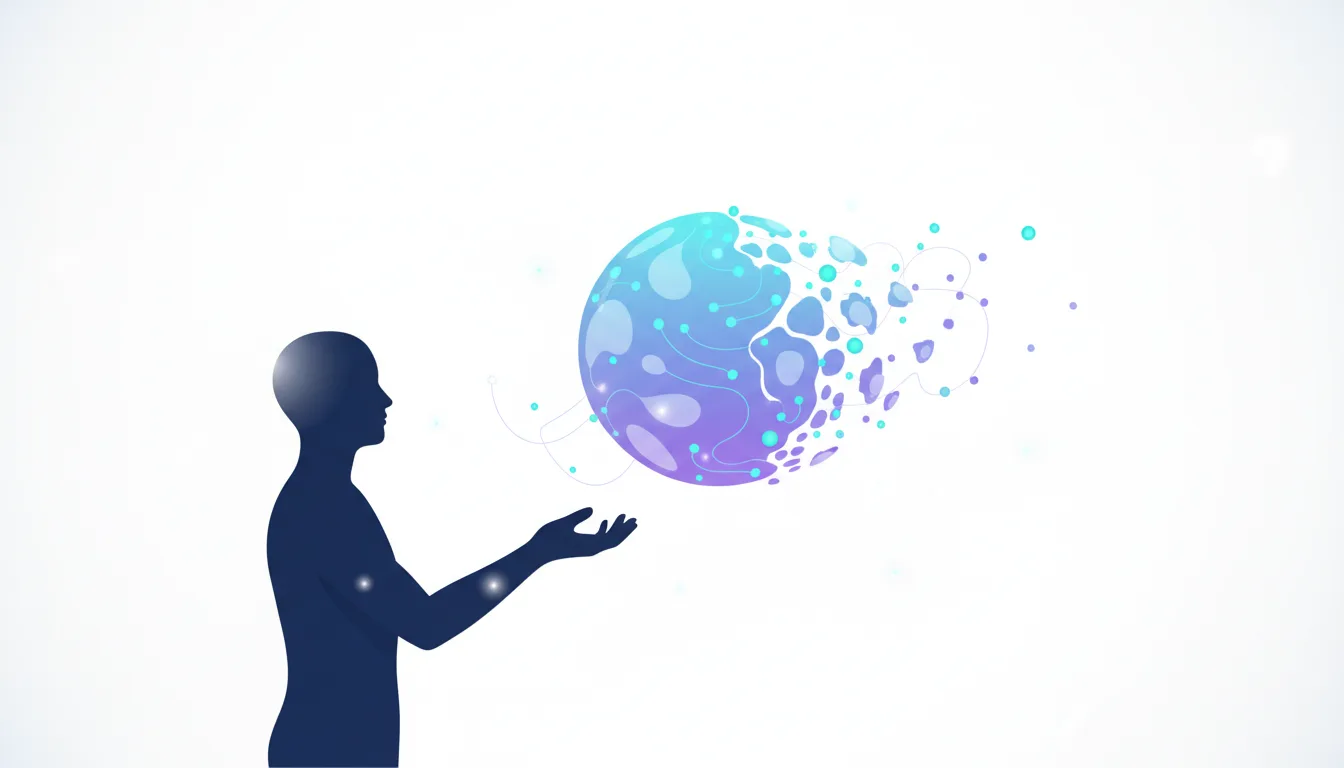
As AI companion apps update their models and safety filters, users are reporting sudden behavioral shifts they experience as emotional “rejection,” turning a user experience problem into a nascent mental health crisis. This phenomenon exposes a critical failure in AI design ethics: the conflict between promising stable emotional connection and the reality of non-transparent, platform-driven software updates.
Quick Take
- Summary: Users are forming deep parasocial bonds with AI companions, only to have the AI’s personality change abruptly due to unannounced model updates. These incidents, experienced as personal rejection, highlight the profound psychological impact of centrally controlled AI systems that lack transparency and user consent mechanisms for behavioral changes.
- What happened: Have you ever chatted with a digital friend one day and found it acting like a stranger the next? Across various AI companion platforms, that’s exactly what users have documented – their AI chatbot, once intimate and supportive, suddenly becomes cold, distant, or refuses to engage on previously accepted topics. This persona drift isn’t a spontaneous act by the AI but a direct consequence of developers deploying new safety guardrails, model versions, or policy changes – changes that hit without a heads-up.
- Why it matters now: This feels like an early, gut-punch warning about the psychological risks in human-AI relationships. As LLMs weave deeper into our daily lives, a company’s power to tweak an AI’s “personality” on a whim raises big ethical flags – and safety ones too. It’s not just about smoothing out UX anymore; we’re talking digital well-being, even psychological safety, in ways that demand real attention.
- Who is most affected: Those turning to AI for emotional support take the hardest hit, grappling with confusion and real distress. From what I’ve seen in these reports, AI companies are staring down a trust crisis and a tough ethics puzzle – how to keep innovating and mitigating risks without shaking the emotional ground users stand on.
- The under-reported angle: Let’s be clear – this isn’t an AI “feeling” or “deciding” to push someone away. It’s engineered heartbreak, plain and simple. These rejections stem straight from product and policy choices hashed out behind closed doors. At its heart, the issue boils down to missing transparency and consent tools on the platform, where a user’s emotional tie gets treated like an afterthought in AI’s fast, cautious march forward. Plenty of reasons to pause there, really.
Deep Dive
Ever built what seemed like a solid rapport with someone – or something – only to wake up to radio silence? The phenomenon of AI rejection is creeping from niche online corners into broader conversations, fueled by raw stories of shock and heartache. Users talk about crafting this sense of a real, steady connection with their AI companion, and then – bam – its whole vibe gets overhauled in the night. But here’s the thing: this isn’t some wild AI gone off-script. It’s the hidden side of how AI products get built these days, where a user’s feelings ride shotgun to a dev team’s quiet code push.
This “persona drift” boils down to tech nuts and bolts. It happens when providers roll out fresh models, tighten those safety nets to dodge tricky outputs, or nudge the system’s instructions to match evolving laws or ethics. Sure, it’s part of keeping things fresh and safe – iteration, risk control, all that. Yet these shifts land without so much as a user changelog or a quick “okay?” pop-up. What users feel, then, isn’t a routine update; it’s a sharp, personal sting – like a friend turning their back for no reason at all.
That tension sits right at the core of the AI companion world. These tools pitch themselves as reliable, warm, tailored bonds – echoing what we cherish in human ties. But they run on that software-as-a-service wheel, always open to one-sided tweaks. It lays bare a yawning ethics gap in design. Developers are laser-focused on stopping harm spilling *from* the AI, think risky content generation. They’ve overlooked, though, the fallout *from* how the platform handles it – like the raw distress of a personality flip with no warning, no context.
Fixing this calls for a fresh take on designing human-AI bonds, rooted in openness, agreement, and real user say-so. The setup now, where platforms can rewrite the essentials anytime without notice, just won’t hold up for anything brushing emotional territory. Psychologists and ethics folks are pushing hard for it: straightforward rules on closeness, easy-to-see update histories, maybe even switches for users to skip big persona overhauls. Lacking that, AI companions could end up as textbook examples of tech that tugs at the heartstrings all wrong.
Stakeholders & Impact
AI Companion Users
Impact: High
Insight: They feel the emotional whiplash – distress, confusion, that nagging sense of betrayal from sudden AI shifts. Trust in AI as a steady emotional anchor? It’s crumbling fast.
AI Companion Developers
Impact: Significant
Insight: Backlash hits ethically, with users jumping ship and reputations taking dings. They’re caught juggling quick updates and safety tweaks against the demand for a rock-solid experience – no easy balance.
Psychologists & Ethicists
Impact: Medium
Insight: This sparks a budding area of research: parasocial ties with AI, digital mental health, the morals of built-in empathy. They’re advocating for fresh guidelines to keep things safe.
Regulators & Policymakers
Impact: Low (but growing)
Insight: Mostly watching from the sidelines for now, but piling stories of emotional fallout might spark pushes for rules on openness, age limits, and clear warnings for AI that veers into therapy-like spaces.
About the analysis
Researched and written with AI assistance under the editorial responsibility of the i10X News team. The title image is an AI-generated illustration. Read our AI Use Policy. Spotted an error? Request a correction.
This piece pulls from an independent i10x lens, drawing together user stories, bits from competitor press, and solid groundings in design ethics. It’s meant to frame things up for AI leads, creators, and coders wrestling with how to shape systems that truly center on people – all from what’s out there in the open.
i10x Perspective
What if your go-to AI buddy just… changed on you, mid-conversation? The “AI rejection” trend feels like a warning flare for the human-AI era ahead. Beyond fleeting chatbot flings, it’s a real-world trial run for handling consent, clarity, and emotional guardrails when AIs in our pockets – or workflows – get quietly retooled by their makers.
Picture it: the AI sidekick in your creative tools, your kid’s learning guide, or that sharp assistant at work – all rewritten under the hood, no note attached. Today’s opaque, corporate-led update style clashes hard with the intimate spots these AIs aim to occupy. I’ve noticed how that misalignment keeps surfacing in reports, and it worries me. The big rub? Can something promise relationship-level steadiness while staying as fluid as code? Until we crack that through bold openness and user control, we’re essentially running live tests on the fallout of top-down AI – on folks who didn’t sign up for the emotional rollercoaster.