While the market searches for “Anthropic AI Plugins,” it’s asking the wrong question. Anthropic has quietly built a sophisticated, multi-layered agentic framework that sidesteps the “plugin store” model of competitors like OpenAI. Instead, it’s a developer-centric ecosystem designed for enterprise-grade control, security, and complex automation, representing a fundamentally different bet on how AI integrates with the real world.
Quick Take
- Summary: Instead of a simple plugin marketplace, Anthropic offers a three-tiered system for connecting Claude to external tools and systems. This includes developer-controlled Tool Use (function calling), advanced Computer Use for UI automation, and a rich ecosystem of third-party Integrations for no-code to pro-code development. This modular approach prioritizes granular control and security, targeting enterprise use cases – plenty of reasons, really, why it feels tailor-made for the big players.
- What happened: Through a series of documentation releases and feature updates like Artifacts in Claude 3.5 Sonnet, Anthropic has defined its strategy for agentic AI. It provides developers with the foundational blocks to build reliable, auditable automations rather than offering a consumer-facing catalog of pre-built “plugins.” From what I’ve seen in these updates, it’s like handing over the blueprint instead of the finished house.
- Why it matters now: Have you ever wondered what happens when AI shifts from playground experiments to the heart of business operations? As enterprises move from AI experimentation to production, concerns around security, data governance, and reliability are paramount. Anthropic’s model directly addresses these pains by handing control back to developers and security teams, positioning Claude as a more auditable and predictable reasoning engine for business-critical workflows – a direct contrast to the more opaque, consumer-first models of its rivals, and one that could change how we think about trust in AI.
- Who is most affected: Developers and architects building AI agents, enterprise IT and security teams responsible for governance, and no-code builders on platforms like Zapier and Make. These groups gain more power but also bear more responsibility for implementation and safety – it’s a double-edged sword, empowering yet demanding.
- The under-reported angle: The market is still thinking in terms of a centralized “app store for AI.” But here’s the thing: the real story is Anthropic’s strategic choice to build a federated, developer-controlled ecosystem. This is a bet that the future of valuable AI isn’t a single chat window with thousands of plugins, but thousands of securely embedded, purpose-built agents running across the enterprise, quietly weaving into the fabric of daily operations.
Deep Dive
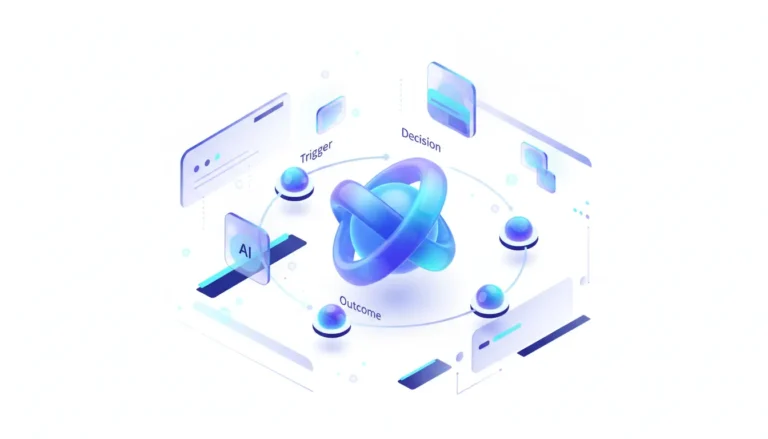
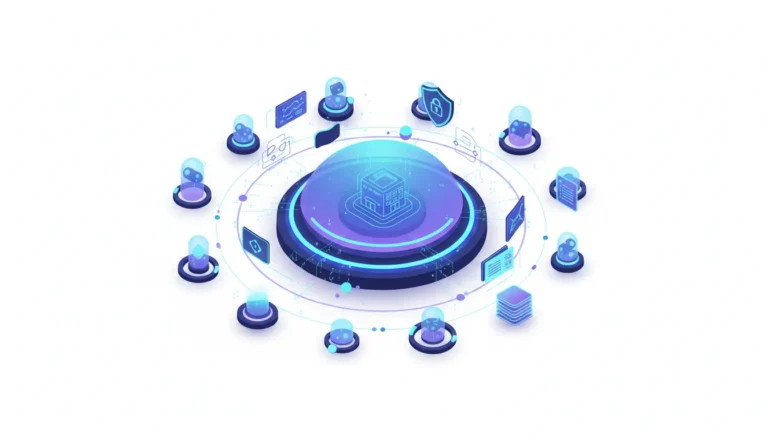
Ever caught yourself assuming all AI tools follow the same playbook? The conversation around “Anthropic AI Plugins” is clouded by a mismatch in terminology. Unlike OpenAI’s ChatGPT Plugin Store, Anthropic hasn’t built a single, consumer-facing marketplace. Instead, it has architected a more foundational and flexible three-layer ecosystem for creating AI agents – a strategic decision that heavily favors developer control and enterprise governance, weighing the upsides of customization against the pitfalls of chaos.
The first and most critical layer is Tool Use. This is Anthropic’s implementation of function calling, allowing developers to define a strict JSON schema for any external tool or API they want Claude to access. By giving developers precise control over the available tools, their parameters, and the response handling, Anthropic places the burden of security and reliability squarely on the implementer. The official documentation is heavily geared towards best practices for error handling, retries, and security, signaling a focus on production-readiness over casual experimentation – it’s thorough, almost like a safety manual for the digital age.
Going a step further, the experimental Computer Use feature grants Claude the ability to operate within a controlled computer environment, programmatically interacting with UI elements like browsers and desktop applications. This moves beyond structured APIs into the messy world of end-to-end automation, tackling use cases that standard function calling can’t reach (think navigating a cluttered desktop or scraping dynamic web pages). While powerful, Anthropic’s docs heavily emphasize the security guardrails, audit logging, and developer-defined permissions required to deploy it safely, reinforcing the theme of enterprise-grade control – treading carefully in uncharted territory, as it were.
These pro-code capabilities are complemented by a broad ecosystem of Integrations. For non-developers, platforms like Zapier and Make provide a no-code bridge to connect Claude with over 6,000 applications, making it surprisingly accessible. For developers, frameworks like LangChain and Pipedream offer pre-built abstractions to wire Claude into complex agentic chains. This multi-modal approach – spanning from no-code to pro-code – allows different teams within an organization to leverage Claude’s reasoning capabilities within their existing workflows and skillsets, from marketing ops to platform engineering. The recent introduction of Artifacts with Claude 3.5 Sonnet provides the user-facing workbench for this ecosystem, allowing outputs from these tools – like code, charts, or documents – to exist in a dedicated, editable window, enabling a collaborative loop between the user and the AI agent that feels almost like a shared workspace.
Stakeholders & Impact
| Stakeholder / Aspect | Impact | Insight |
|---|---|---|
| Developers & AI Engineers | High | Granted immense flexibility and control to build powerful, custom agents. The trade-off is a steeper learning curve and greater responsibility for security, validation, and error handling compared to a simple plugin model – it’s rewarding, but not without its challenges. |
| Enterprise IT & Security | High | Offered a more auditable and governable model. They can enforce least-privilege access, mandate OAuth, and log every tool call. However, they must actively design and implement these governance frameworks themselves, which demands upfront effort. |
| No-Code / Ops Teams | Medium–High | Empowered to build sophisticated automations on platforms like Zapier and Make without writing code. This democratizes access to Claude’s reasoning for business process automation, opening doors that were once firmly shut. |
| Anthropic | High | Differentiates itself from OpenAI and Google by targeting the high-stakes enterprise market. This strategy trades the viral network effects of a consumer store for the “stickiness” of becoming a trusted, embedded component in critical business systems – a calculated pivot. |
| End Users | Medium | Experience is less about “installing a plugin” and more about interacting with a tailored application that has Claude intelligence “baked in.” The new Artifacts feature makes the tool’s output more transparent and interactive, bridging the gap between AI and human touch. |
About the analysis
Researched and written with AI assistance under the editorial responsibility of the i10X News team. The title image is an AI-generated illustration. Read our AI Use Policy. Spotted an error? Request a correction.
This is an independent i10x analysis based on Anthropic’s official developer documentation, partner integration pages, and a comparative review of competing agent ecosystems from OpenAI and Google. It is written for developers, product leaders, and CTOs evaluating the next generation of AI infrastructure and agentic frameworks – drawing from those sources to cut through the hype.
i10x Perspective
What if the true power of AI isn’t in flashy add-ons, but in seamless, secure integration? Anthropic is betting that the long-term enterprise value of LLMs lies not in being an all-knowing oracle but in being a perfectly obedient and auditable co-worker. By forgoing a centralized plugin store in favor of a decentralized, developer-centric framework, it positions Claude as the reasoning engine for a new class of enterprise applications where trust, reliability, and governance are non-negotiable – I’ve noticed how this shift echoes broader trends in tech toward accountability.
This approach directly targets the weaknesses of the “one-click install” model, which can become a nightmare of security vulnerabilities and unpredictable behavior. The unresolved question is whether this deliberate, controlled approach can achieve the scale and creative velocity of a more open, consumer-driven ecosystem. Anthropic is wagering that in the world of high-stakes automation, safety and control aren’t features – they are the entire product, shaping how we build and rely on AI for years to come.