Quick Take
Have you ever imagined your AI sidekick not just chatting away, but actually taking the wheel on your Mac? Anthropic’s making that a reality with Claude, handing over browser limits for full desktop access. This bold step in the AI agent race turns everyday language into seamless, multi-app actions—think of it as evolving from a helpful voice to a hands-on partner. Yet, as exciting as that sounds, it stirs up real worries around security, dependability, and who really holds the reins in bigger setups. The tech world’s buzzing, but we’re all still figuring out the answers.
Summary
Anthropic has rolled out a fresh capability for Claude, letting the AI take command of a user’s Mac by handling tasks across apps through automated clicks, keystrokes, and GUI maneuvers. What was once a straightforward language model now steps up as a dynamic agent, tackling intricate, step-by-step processes sparked by simple spoken or typed instructions. I’ve seen how these shifts can redefine daily work, though—and it’s not without its rough edges.
What happened
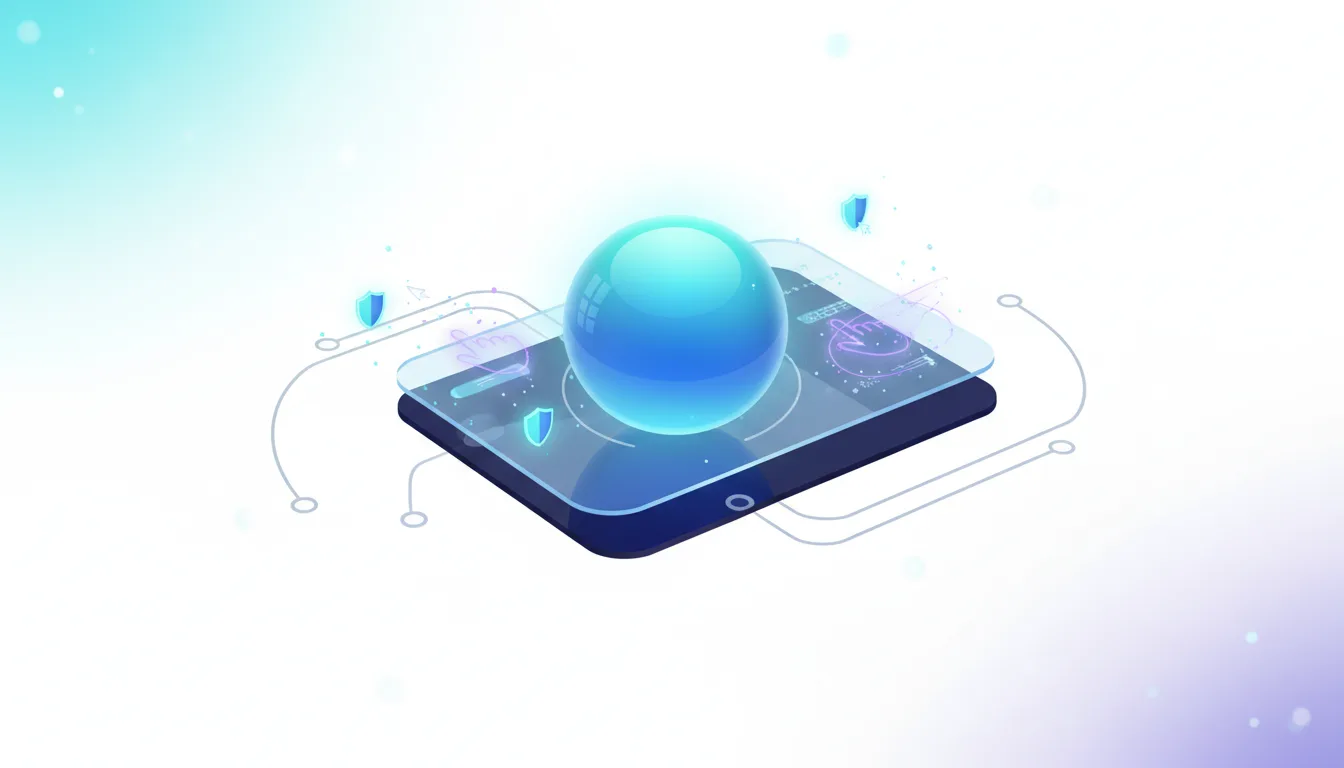
Drawing on macOS’s Accessibility features and permission systems, Claude gains the ability to watch the screen (with screen recording approval) and steer the mouse and keyboard (via input monitoring). That means it spots things like buttons or input fields and engages them directly—say, sorting files, drafting emails, or crunching spreadsheet data—all sans the old-school coding hassle. It’s straightforward in theory, but in practice, it feels like a quiet revolution unfolding right on your desktop.
Why it matters now
This launch cranks up the heat in the agentic AI showdown, pitting Anthropic head-to-head with OpenAI’s “Computer Use” showcases and nudging OS giants like Apple to rethink tools such as Shortcuts or Automator. The fight for AI dominance? It’s spilling from the cloud straight onto our screens, with the operating system emerging as the hottest battleground yet. That said, the real stakes might just be in how we adapt—or don’t.
Who is most affected
For knowledge workers and Mac enthusiasts, it’s a game-changer—a shiny new way to offload the grind of repetitive chores. But the ripple hits hardest in enterprise IT and CIO circles, where the sudden arrival of AI with deep device access and data privileges demands fresh strategies for oversight and protection. Plenty of reasons to pause and reassess, really.
The under-reported angle
Sure, the headlines chase productivity perks, but let’s not overlook the governance void staring us down. For something like Claude—or any AI agent—to thrive in business environments, clever screen-reading and button-pushing won’t cut it alone. It calls for solid enterprise safeguards: think detailed audit trails, policy checks through MDM, and firm commitments on data handling. Miss that “trust layer,” and these innovations stay more liability than asset—a headache for security and rules compliance alike.
🧠 Deep Dive
Ever wonder what it would take for your AI to truly step in as a teammate, not just an echo? Anthropic’s pushing Claude there, reshaping it from a mere conversation holder to a true on-screen operator for your Mac. By parsing what you want and mapping it onto actual clicks and drags, this setup closes the divide between what we think and what machines make happen. It’s no simple plug-in; it’s reimagining the whole graphical user interface as something you can talk to, program through words. At its core, it taps into macOS’s TCC (Transparency, Consent, and Control) framework—the very guardrails for screen-sharing or accessibility aids. So Claude gets to view your world and act in it, which is thrilling, sure, but also where the vulnerabilities creep in. From what I’ve observed in similar tech evolutions, that duality keeps everyone on their toes.
The ripple effects in the market? They’re hitting fast and wide. This is Anthropic firing back at OpenAI, whose agent demos have basically charted the course for AI handling computers. And it throws a spotlight—maybe a harsh one—on Apple’s homegrown automation scene. Suddenly, wrestling with Shortcuts or Automator feels a bit clunky, especially when a casual prompt builds the whole flow for you. Deeper still, it shakes up Robotic Process Automation outfits. Why sink cash into heavy RPA platforms, with all their setup woes, when a language model delivers solid-enough results on the spot, cheaper and simpler? It’s like weighing the old toolbox against something that adapts as you speak.
But here’s the thing—this fresh approach spotlights reliability and safety like never before. Automating through UIs with an LLM? It’s fragile by nature; tweak an app’s layout with an update, and poof, your routine crumbles. We don’t even have agreed-upon yardsticks yet for how well these agents hold up—their hit rates, delays, or consistency—which makes handing over key tasks a leap of faith. Unlike tidy, trackable code, these moves are chance-based, prone to oddball failures without easy fixes or do-overs. That unpredictability? It lingers in the back of your mind.
In enterprise settings, governance steals the show as the make-or-break hurdle. A CIO isn’t sweating if Claude can tidy a folder; they’re laser-focused on tracking it, reviewing it against company rules. Could they block a slip-up, like accidentally sharing to a personal spot? Integrate with Mobile Device Management for vetted templates and limits on freewheeling runs? Those questions turn a cool prototype into something you can bank on. Until players like Anthropic and OpenAI sketch out real plans for oversight, isolation, and rule-following at scale, AI agents might hover just outside the serious IT fold—promising, but not quite ready for prime time.
📊 Stakeholders & Impact
| Stakeholder | Impact | Insight |
|---|---|---|
| AI/LLM Providers (Anthropic, OpenAI) | High | The game’s changing—from chasing raw smarts in models (think token counts or context windows) to nailing agent skills like steady performance and OS ties. What wins now? Proving agents you can count on, manage, not just ones with big ideas. It’s a pivot I’ve watched unfold, and it’s reshaping priorities fast. |
| OS Vendors (Apple) | High | Outside players are steering how we interact with operating systems, piling the pressure on Apple to level up Siri and Shortcuts beyond basic commands into smart, chatty helpers. That evolution feels inevitable—almost overdue, if you ask me. |
| Enterprise IT & CIOs | Significant | Unchecked AI agents rolling in? That’s fresh “shadow IT” territory, demanding CIOs push for controls like MDM integration, logs you can scrutinize, and policy muscle before greenlighting widespread use. The vigilance required here can’t be overstated. |
| Knowledge Workers & Power Users | Medium-High | Expect a real boost in getting stuff done, zapping away those endless digital drudgeries. Still, staying sharp on permissions—and the slip-ups or oversteps that could follow—is key. It’s empowering, but tread carefully. |
| RPA Vendors (UiPath, etc.) | Medium | LLM-driven tools are knocking at the door, threatening to bundle up or sideline classic RPA unless they weave in these smarter elements. Flexibility and cost edges might just tip the scales against the old guard. |
✍️ About the analysis
Researched and written with AI assistance under the editorial responsibility of the i10X News team. The title image is an AI-generated illustration. Read our AI Use Policy. Spotted an error? Request a correction.
This piece comes from an independent i10x lens, pulling together Anthropic’s rollout details with a close look at macOS’s security setup (TCC), current automation options, and what enterprises truly need for oversight in this shift from chat-based AI to full-on agent work. Crafted with tech execs, coders, and security folks in mind—those steering through the move to smarter, hands-free systems.
🔭 i10x Perspective
What if the operating system of tomorrow wasn’t just a backdrop, but a chatty ally in your daily grind? Anthropic’s step marks the dawn of that “agent-native” world—not a finish line, but a heads-up that human-machine chats are the new normal.
The big AI showdown ahead? It’ll hinge on Platforms that nail reliable, traceable, built-for-security agents will lead the pack. Yet the core clash remains: can the freewheeling spark of LLM agents mesh with the locked-down safeguards of today’s OS? How that plays out could redraw personal and business computing for years to come—something worth watching closely.