I’ve been keeping an eye on how AI is reshaping the tools we use every day, and Anthropic’s push into “Cowork” feels like a real turning point. This AI agent goes beyond just finishing your code snippets—it’s built to handle full-blown software development jobs, all while prioritizing governance and safety to win over big enterprises. In a way, it’s Anthropic drawing a line in the sand against freer-wheeling options like GitHub Copilot Workspace or Cognition’s Devin, offering something more reliable for teams that can’t afford surprises.
Quick Take
- Summary: Word on the street—or rather, in tech circles—is starting to buzz about Anthropic’s “Cowork,” this agentic setup tailored for software development. It’s a step up from those everyday copilots that nudge you line by line; instead, Cowork dives into the heavy lifting, like mapping out features, sifting through whole codebases, suggesting tweaks, firing off tests, and even kicking off pull requests.
- What happened: Anthropic’s cooking up a versatile AI agent that’s more like a genuine partner in the dev process. It’s not out in the wild yet, but from what we know, its bones are all about planning ahead, wielding tools smartly, and executing code—putting it squarely in the autonomous agent camp, not just some helpful sidekick.
- Why it matters now: Have you sensed the ground shifting under AI dev tools? We’re moving from setups where humans steer every move—like with copilots—to ones where we mostly watch over things, as agents take the wheel. Cowork is Anthropic staking its claim in this fresh arena, wagering that companies will value traceable, buttoned-up automation over the wilder freedoms of some upstart agents.
- Who is most affected: Think software devs, engineering leads, and those enterprise CTOs or CISOs calling the shots—they’re the ones in the crosshairs. Now they’ve got to size up these next-level tools that dangle huge efficiency boosts, but come with fresh headaches in security, code integrity, and keeping workflows smooth.
- The under-reported angle: That said, the sprint for AI agents isn’t solely about nailing tasks on benchmarks—plenty of reasons, really, why that’s only part of the picture. What’s flying under the radar is governance, plain and simple. With Cowork, Anthropic seems to be layering in safeguards, access controls, and those essential human check-ins, setting it apart from the opaque vibes of certain competitors. Truth is, whether enterprises bite will boil down to building that trust through clear trails and accountability, way more than sheer velocity.
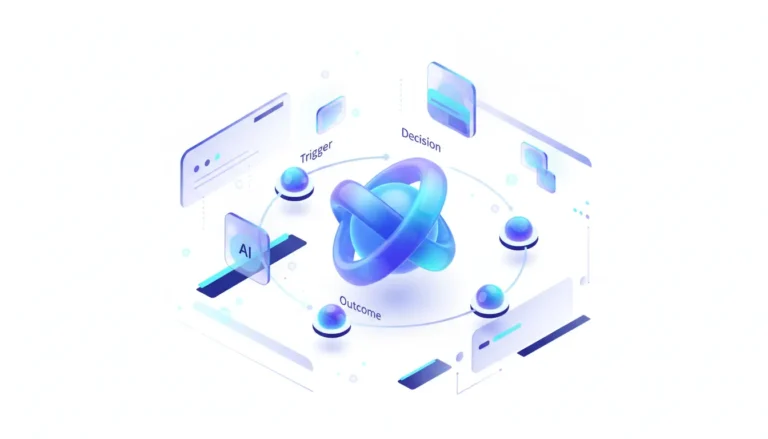
- 🧠 Deep Dive: Ever wonder if AI could truly step up as a teammate in the trenches of software engineering? The days of basic code assistants are fading fast, making room for something more ambitious like Anthropic’s “Cowork”—a clear sign of where the market’s headed. Tools such as GitHub Copilot play the role of that trusty pair programmer, whispering the next line when you’re stuck. But Cowork? It’s aiming higher, soaking up the full picture of a repo and project roadmap to run its own “planning-execution loop.” Picture it: breaking tasks into bites, tweaking code with the right tools, testing on the fly, hooking into CI/CD flows, and then queuing everything up for your sign-off.
That kind of jump naturally sparks talks about keeping things safe and in check—and that’s where Anthropic’s playing its strengths. For an agent like Cowork to work in the real world, it needs ironclad protections: approval steps with humans involved, tight permissions to avoid rogue changes in live code, and all that. Drawing from the holes I’ve spotted in current offerings and Anthropic’s longstanding safety bent, I’d bet Cowork’s crafted with enterprises in mind from the get-go—think isolated sandboxes for security, thorough logs you can audit, and visibility into every move, making sure nothing’s irreversible without oversight. It’s that backbone of reliability that’ll sway the CTOs and CISOs who hold the keys.
The field’s getting crowded with AI agents, each bringing their own flavor to the mix. Take Cognition’s Devin—it’s wowed folks with bold shows of independence, yet left lingering doubts about consistency and what happens when it stumbles. Then there’s GitHub Copilot Workspace, Microsoft’s way of layering agent smarts onto its proven lineup, blending into what teams already know. Cowork slots in somewhere balanced: punchier and more self-reliant than a basic copilot, but with the openness, security, and manageability that dodges the “black box” pitfalls of full-on wildcards.
For teams eyeing a switch to something like Cowork, it’s hardly a quick swap—more like rethinking how work flows from the ground up. You’ll need fresh approaches to handing off tasks, sharpening code reviews, and even budgeting for it all. Costs stretch past just API hits to runtime hours, server demands, and the overhead of monitoring integrations. What’ll make Cowork or its rivals stick? Not only their coding chops, but how effortlessly—and securely—they weave into the daily grind of IDEs, version control, Jira boards, and those CI/CD pipelines that keep modern dev humming.
📊 Stakeholders & Impact
| Stakeholder / Aspect | Impact | Insight |
|---|---|---|
| AI / LLM Providers | High | It’s less about flexing model smarts—like spot-on code spits—and more about agent tricks: smart planning, tool handling, dependability. What counts for winning? How well they slot into workflows and build that bedrock of trust, beyond just brute smarts. |
| Developers & Enterprises | High | This could turbocharge the grind on stuff like code migrations, clean-ups, or churning out standard features. But here’s the catch—it means picking up agent-wrangling skills through prompts, plus leadership dialing in on security and hands-on guidance. |
| Infra & Tooling Vendors | Significant | Suddenly, there’s a pull for gear built for agents: safe run spaces, tracking setups for traces and logs, even rule-makers for policies. The usual suspects—CI/CD pipelines, version systems, project trackers—have to level up, treating AI agents like core players in the game. |
| Regulators & Policy | Medium | With agents authoring and pushing code, fresh risks crop up in the supply chain. Expect watchdogs to circle, probing security gaps, who owns the screw-ups, and how data’s managed—especially where stakes are sky-high in regulated fields. |
✍️ About the analysis
Researched and written with AI assistance under the editorial responsibility of the i10X News team. The title image is an AI-generated illustration. Read our AI Use Policy. Spotted an error? Request a correction.
I’ve pieced this piece together as an outsider’s take, drawing from digs into the budding world of AI agents for software dev. It pulls in what’s out there publicly, weighs the tech shortfalls I’ve noted, and aims to give devs, engineering bosses, and tech higher-ups a glimpse ahead—helping them gauge how these agent systems might shake up their daily ops and security setups.
🔭 i10x Perspective
What if the jump from copilots to full agents is the real game-changer in crafting smart systems? Anthropic’s Cowork isn’t merely another gadget; it’s their big bet that for AI to mesh as a solid partner in intense arenas like dev work, it has to be trackable, steerable, and safe at its core. Sure, others might gun for unchecked freedom, but I suspect the enterprise endgame favors whoever nails the toughest oversight setups. The lingering question, though—the one that keeps me up—is if our rush for faster automation will drag in shakier options before those safety nets solidify, slipping a bolder wave of risks right into the heart of how software gets built.