Anthropic & Genmab: Agentic AI for Regulated Biopharma R&D
⚡ Quick Take
Anthropic’s new partnership with biotech giant Genmab is more than just another enterprise AI deal – it’s a high-stakes test for deploying sophisticated “agentic” AI into the heavily regulated, high-consequence world of pharmaceutical R&D. This collaboration moves Claude beyond general business use cases and positions it as a core engine for generating auditable, compliant clinical trial workflows, setting a new benchmark for what “enterprise-grade AI” truly means.
Summary: Danish antibody developer Genmab is partnering with Anthropic to build custom agentic AI solutions powered by the Claude 3 model family. The goal is to automate and accelerate complex processes in clinical development, from drafting regulatory documents to analyzing trial data, all within a strict, human-supervised governance framework.
What happened: Genmab will work directly with Anthropic to design and deploy AI agents that can perform multi-step tasks, retrieve knowledge from vast document repositories, and assist in creating the documentation required for drug approval. This goes beyond simple summarization, aiming to automate core components of medical writing, data analysis, and regulatory submissions.
Why it matters now: Have you considered how AI might finally crack the code on reliability in the toughest environments? This partnership is a crucial validation moment for frontier AI models. While many enterprises use LLMs for low-risk tasks, this initiative tests their ability to perform reliably and traceably in a GxP (Good Practice quality guidelines) environment where errors can impact patient safety and regulatory compliance. It signals a market shift from “powerful” AI to “provably safe and effective” AI – a shift I’ve seen building for some time now.
Who is most affected: AI model providers like OpenAI and Google, who now face pressure to demonstrate similar compliance capabilities. The entire biopharma industry, which will see the competitive bar for R&D efficiency raised. And regulatory bodies like the FDA and EMA, who must now prepare to scrutinize AI-generated submission components.
The under-reported angle: Current coverage focuses on the partnership announcement and stock price. But here’s the thing – the real story is the immense technical and regulatory challenge being tackled: building AI systems that are not only intelligent but also compliant with frameworks like 21 CFR Part 11. This requires sophisticated architectures for audit trails, data lineage, validation, and human-in-the-loop oversight – elements missing from most off-the-shelf AI platforms, plenty of reasons why this feels like uncharted territory.
🧠 Deep Dive
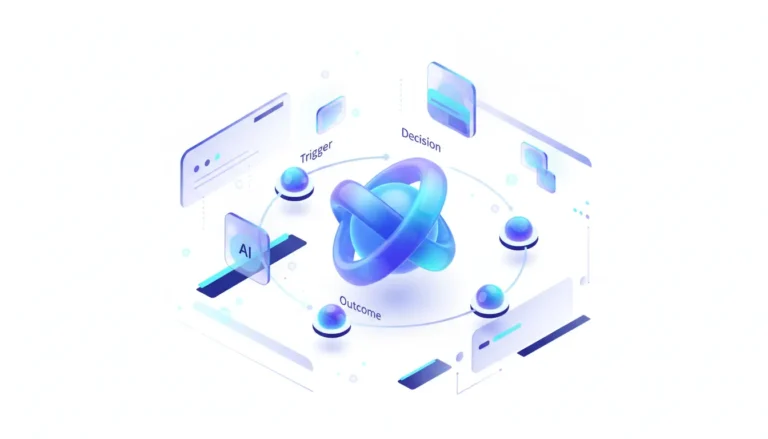
The Genmab-Anthropic deal represents a significant evolution in enterprise AI, moving from generalized chatbots to specialized, “agentic” systems designed for mission-critical work. In this context, an AI agent isn’t just a conversational interface; it’s a workflow engine. Powered by Anthropic’s Claude 3 models, these agents will be designed to use software tools, orchestrate multi-step processes like Retrieval-Augmented Generation (RAG) across clinical trial master files, and autonomously draft complex documents that are currently a major bottleneck in drug development – bottlenecks that, from what I’ve observed, slow down innovation more than we might think.
The central challenge, and the reason this partnership is a bellwether for the AI industry, lies in navigating the fortress of pharmaceutical regulation. For any AI-generated output to be considered valid in a submission to the FDA or EMA, it must adhere to GxP quality guidelines and electronic record standards like 21 CFR Part 11. This demands more than a “human-in-the-loop” for a final check; it requires a system built from the ground up for traceability, explainability, and rigorous version control. Every action an AI agent takes – from data retrieval to text generation – must be logged and auditable, a far cry from the “black box” nature of many AI systems, and one that weighs the upsides against those inherent risks.
For Anthropic, this is a strategic masterstroke to differentiate its models in the hyper-competitive AI landscape. While rivals often compete on parameter counts or generic benchmarks, Anthropic is positioning Claude as the go-to model for high-trust, high-value industries. By co-developing solutions that explicitly address GxP validation, data privacy within secure Virtual Private Clouds (VPCs), and the specificities of pharmacovigilance, Anthropic is building a moat in the lucrative life sciences vertical. This forces competitors to move beyond selling API access and start selling verifiably compliant solutions – not an easy pivot, but one that’s probably inevitable.
The practical impact for Genmab, if successful, could be transformative. The collaboration aims to tackle tangible pain points that bog down clinical development, such as the manual drafting of Clinical Study Reports (CSRs), safety narratives, and regulatory briefing books. By automating the “first draft” and standardizing data analysis, Genmab targets a 30-50% reduction in document cycle times, according to the project’s transformation promises. This would not only accelerate timelines but also free up its scientists and clinical operations teams to focus on high-level strategy and scientific innovation rather than administrative overhead. This partnership is a blueprint for turning AI from a productivity tool into a core driver of pipeline velocity – and honestly, it’s exciting to see that potential unfold.
📊 Stakeholders & Impact
Ever wonder who feels the ripple effects most in deals like this? Let’s break it down.
- AI / LLM Providers (Anthropic, OpenAI, Google): High impact — Anthropic gains a marquee win in a high-value vertical, setting a new bar for demonstrating compliance and enterprise-readiness. This pressures competitors to prove their models and platforms can handle similarly regulated, auditable workflows.
- Biopharma Industry: High impact — Genmab secures a potential first-mover advantage in AI-driven R&D. Rivals now face new pressure to adopt advanced AI to remain competitive, shifting the arms race from the lab to the algorithm and potentially consolidating the advantage of tech-forward firms.
- Clinical & Medical Writing Teams: Medium–High impact — Roles will evolve from manual drafting to strategic oversight of AI agents. This necessitates new skills in prompt engineering, AI output validation, and system governance, fundamentally changing the nature of work for clinical operations and medical writers.
- Regulators & Policy (FDA, EMA): Significant impact — These bodies will increasingly face AI-assisted and AI-generated submission dossiers. This forces the urgent development of new frameworks for validating AI systems, demanding deeper expertise in machine learning, data lineage, and algorithmic explainability.
That said, the insights here highlight how interconnected these impacts really are – a reminder that no one operates in isolation.
✍️ About the analysis
Researched and written with AI assistance under the editorial responsibility of the i10X News team. The title image is an AI-generated illustration. Read our AI Use Policy. Spotted an error? Request a correction.
This is an independent i10x analysis based on public announcements, competitor coverage, and expert data on AI adoption in regulated industries. It is designed for technology leaders, enterprise strategists, and AI developers seeking to understand the strategic implications of deploying advanced AI models in high-stakes, real-world environments.
🔭 i10x Perspective
This partnership signals that the next frontier of AI value is not about raw model capability, but about the sophisticated scaffolding of governance, validation, and security required to deploy it. The winners in the enterprise AI race won’t just sell the most powerful models; they will sell auditable, compliant, and vertically-integrated solutions.
Genmab and Anthropic are placing a bet that regulated industries are where AI will prove its ultimate enterprise worth. The key tension to watch over the next five years is whether regulatory bodies can evolve their oversight mechanisms as fast as AI is transforming the industries they police. This collaboration isn’t just accelerating drug research; it’s accelerating the timeline for this inevitable collision – one that could redefine how we balance innovation with caution. The winners will be those who can deliver truly auditable, compliant, and vertically-integrated solutions.