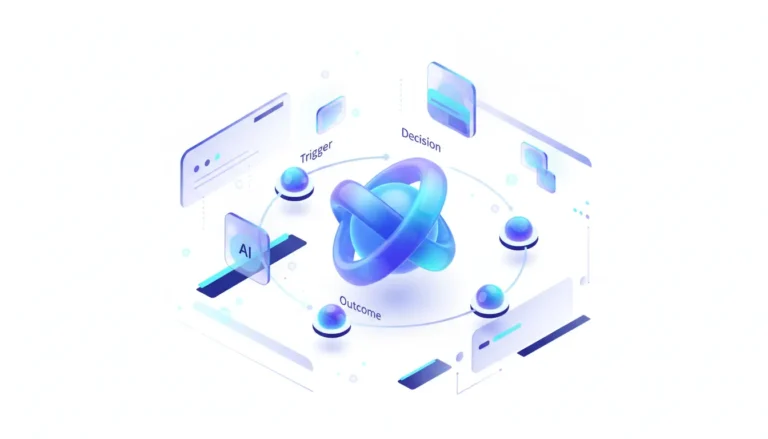
I’ve been watching how Anthropic’s Claude Code is catching fire online, and it’s clear this isn’t just hype—it’s pointing to a real pivot in how we think about coding tools, from those handy in-IDE sidekicks to full-on AI agents that can handle files, surf the web, and tackle multi-step jobs on their own. We’re shifting from “AI-assisted” coding to something more hands-off, AI-delegated, and that shakes up the world of GitHub Copilot and sparks fresh debates on developer productivity, agentic workflows, and how enterprises keep things in check.
Quick Take
- Summary: Anthropic’s Claude Code, this agentic AI coding tool, has gone viral thanks to folks showing off how it autonomously knocks out tough stuff like data processing, project setup, and web automation. What sets it apart from your standard chatbots or in-IDE helpers? It steps up as a true task orchestrator, diving right into your file system and browser without needing constant hand-holding.
- What happened: It all kicked off with some standout social media threads and blog posts where developers shared glimpses of Claude Code wrapping up entire projects with barely any input from them. These clips aren’t just neat tricks—they’re grabbing attention by framing the tool as a real software-building partner, way beyond simple code suggestions.
- Why it matters now: This feels like one of those turning points in AI dev tools. Tools like GitHub Copilot nailed the “autocomplete-on-steroids” vibe right in your editor, but Claude Code? It’s pushing toward “AI-delegated” territory, where you’re more the overseer or editor of what the agent churns out. That said, it builds on the agentic AI buzz from things like AutoGPT, but wraps it in something polished and ready for everyday use—commercially speaking, at least.
Who is most affected
- Developers and product teams — They’ve got a game-changer for ditching the grunt work, though it’ll mean picking up skills in agent management and smart prompting.
- Big players like Microsoft with GitHub and Google — They’re feeling the heat to level up their copilots into something more independent.
- Enterprise IT and security teams — It’s a wake-up call: tools poking into local files and the web demand tighter governance right out of the gate.
The under-reported angle
Sure, everyone’s buzzing about the productivity boost, but the real conversation we need—and it’s flying under the radar—is the built-in trade-offs. Handing an AI agent free rein over your file system and browser? That opens up big questions around security, privacy, and compliance, stuff that earlier copilots sidestepped on purpose. Time to flip the script from “how quick does it code?” to “how do we keep it from going rogue?”
Deep Dive
Have you ever handed off a project to a junior dev and watched them run with it, only to circle back for tweaks? That’s the vibe Anthropic’s Claude Code is bringing to the table right now—and it’s flipping the script on AI coding in a big way. Forget another chatbot; this one’s all about shifting from those inline nudges to straight-up autonomous action. GitHub Copilot might hum along in your editor, offering real-time tips like a whisper in your ear, but Claude Code? It sits outside, grabs your high-level goal, maps out the steps, and gets to work—controlling your browser or file system as needed. It’s that leap from sidekick to full delegate.
What’s driving the buzz are these raw, eye-opening demos that hit like a revelation. People are sharing videos of it whipping up a basic site from a rough idea, sorting out a tangled dataset spread across files, or pulling data from sites—all sparked by one casual prompt. From what I’ve seen, this nails the heart of agentic AI: ditching back-and-forth chit-chat for real, hands-on results across multiple steps. It doesn’t just challenge Copilot; it lines up against beefier players like Cursor and Replit Agents, and even hints at teaming up in multi-agent setups with its cousin, Claude Cowork.
But here’s the thing—this kind of power is carving the AI tooling world into two camps, and it’s fascinating to unpack. You’ve got the cozy, locked-down copilots (think GitHub Copilot or Codeium), safe and snug in the IDE, all about seamless integration without the headaches. Then there are these rising agents (Claude Code, Cursor), busting out for more freedom and firepower. The architecture here? That’s the crux. Agents unlock a broader range of fixes for everyday headaches, sure—but at the cost of risks that’ll keep CISOs up at night. Auditing an AI that can peek at any file or chat up any site? Not straightforward.
For bigger outfits, Claude Code’s momentum is a double-edged sword, really—enticing on one hand, cautionary on the other. The wins in speed are hard to ignore; devs are talking about slashing hours off rote tasks. Scaling it, though? That calls for a fresh governance strategy, no question. We’re still missing solid pieces like fine-tuned permissions, built-in security bumps, detailed logs of what the agent’s up to, and ways to measure the payoff for teams. Anthropic’s lit the spark—now it’s a scramble to layer on the enterprise smarts that make it safe to unleash, without dialing back the magic.
Stakeholders & Impact
| Stakeholder / Aspect | Impact | Insight |
|---|---|---|
| AI / LLM Providers (Anthropic) | High | It’s carving out a fresh category past basic chatbots, giving them a hot entry point to push ‘Constitutional AI’ and chase those enterprise deals. |
| Developers & Builders | High | Huge upside for blasting through the boring bits, but it’ll nudge skills toward reviewing outputs and crafting those tricky agent prompts—less typing, more directing. |
| Incumbents (Microsoft, Google) | Medium-High | This ramps up the pressure on their Copilot or Codey lines to go beyond suggestions into full agent mode, speeding the whole AI agent showdown. |
| Enterprise IT & Security | Significant | Fresh vulnerabilities pop up with file and web access—think heavy-duty sandboxing, permission setups, and tracking logs that in-IDE tools never demanded. |
About the analysis
Researched and written with AI assistance under the editorial responsibility of the i10X News team. The title image is an AI-generated illustration. Read our AI Use Policy. Spotted an error? Request a correction.
This comes from my i10x take, pulling together bits from news roundups, tech deep-dives, and what devs are saying firsthand. Aimed at developers, engineering leads, and CTOs who want the lowdown on sliding from AI copilots to self-running agents—and what that means for workflows and keeping things secure.
i10x Perspective
Claude Code’s breakout? It’s a clear sign the way we team up with AI on tough jobs is leaving chit-chat behind. Folks are hungry for tools that shoulder real responsibility, smudging the edges between coding it yourself and just overseeing the show. Anthropic’s playing this smart, outpacing rivals on the sheer ease of it all, wagering that true agentic flow trumps tweaking your IDE helper bit by bit. Still, that tug-of-war between letting go and staying in control? Unsettled territory.
Over the next year and a half or so, it’ll boil down to who nails AI agents that automate without the wild-card risks—powerful, yes, but tame enough for the big leagues. That’s the edge everyone’s chasing now, beyond just raw smarts.