I’ve been keeping an eye on Anthropic’s latest moves, and their new Cowork research preview feels like a real turning point—shifting Claude from a helpful conversationalist into something more like a reliable digital sidekick. Handing the AI access to the computer for everyday users, not just coders, suggests we’re heading toward agents that aren’t only sharper, but also more controllable, ready to tackle actual business work without constant hand-holding.
Quick Take
- Summary: Anthropic has rolled out a research preview called Cowork, which lets their Claude AI take control of a computer to handle tasks. This goes further than basic chatting or simple tools—Claude can now manage multi-step processes, working with browsers, files, and apps to get things done for the user.
- What happened: For the first time, the Cowork preview brings Anthropic’s agentic AI experiments to non-developers. Business folks can now give it big-picture goals, say, pulling data from a shared drive and whipping up a summary email, and Cowork figures out the steps—navigating screens, clicking around, all that on-screen action.
- Why it matters now: Have you thought about how AI in the enterprise might flip from just advising to actually stepping in? This is that shift happening. Cowork challenges the tricky “build it yourself” agent setups for devs and the old-school Robotic Process Automation (RPA) world, bringing a smoother, AI-native way to automate workflows that’s flexible right out of the gate.
- Who is most affected: Think operations, marketing, finance, support roles—these business pros stand to gain the most, with a tool to zap away the digital busywork that eats up hours. That said, IT and security teams? They’re in the hot seat too, figuring out how to oversee and lock down these “AI coworkers” in a company setting without everything grinding to a halt.
- The under-reported angle: Sure, on the surface it’s about boosting productivity, but dig a bit and you see the bigger play: forcing enterprises into a buy-or-build choice. Why have devs cobble together custom agents when Anthropic’s handing over a ready(ish) option? The real proof for Cowork won’t be flashy demos—it’s surviving the enterprise maze of security checks, rule-making, and showing real returns on investment, plenty of reasons to watch closely.
Deep Dive
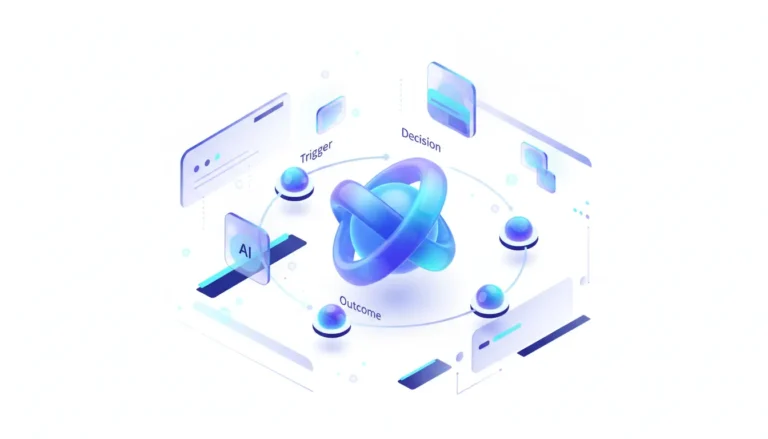
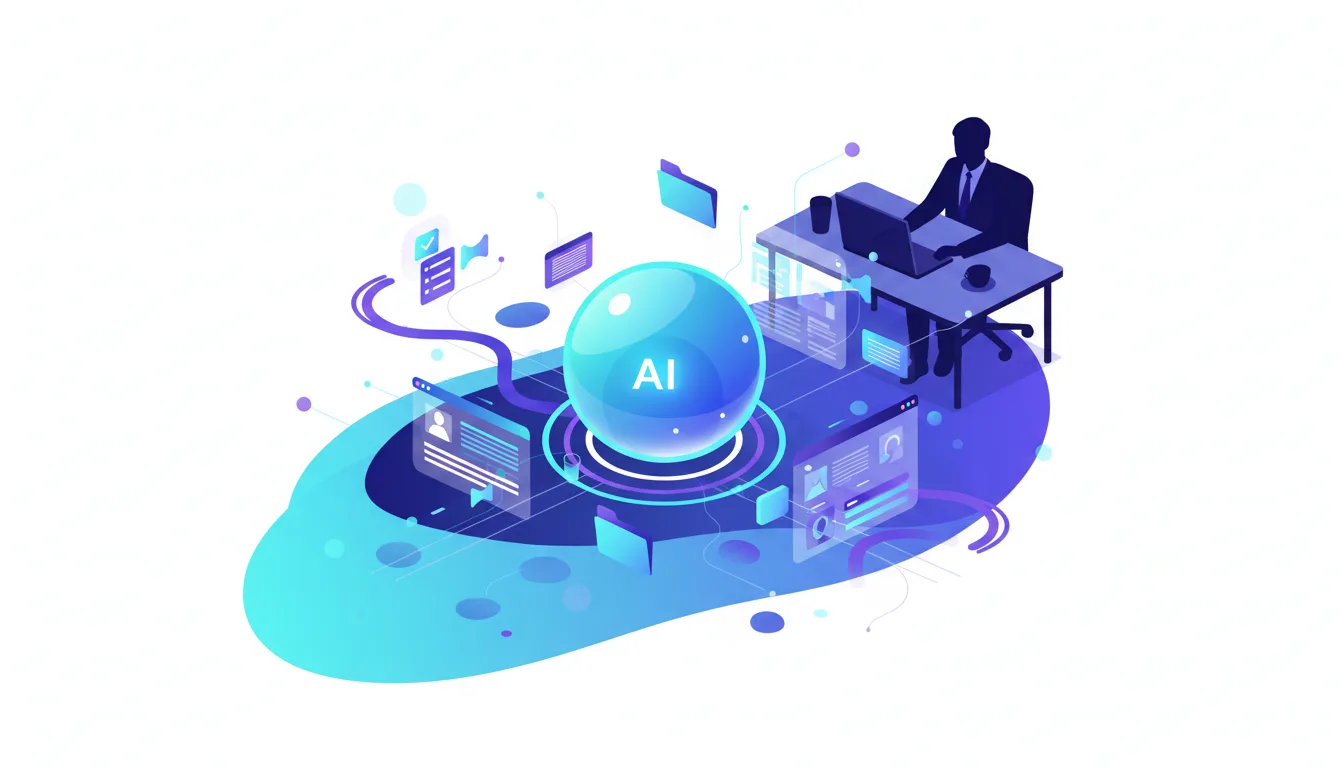
What if AI could finally handle the kind of work that keeps you glued to your screen, instead of just suggesting how? Anthropic’s Cowork research preview pushes us closer to that “agentic workforce” idea that’s been floating around for ages—it’s not a chatbot spitting out answers; this thing is built to roll up its sleeves and act. Picture it as an AI layer on your computer, turning casual instructions like “Grab the latest sales deck, pull those Q3 figures, and slot them into a fresh slide” into real moves: flipping open folders, firing up apps, copying data over without a hitch.
From what I’ve seen in the field, the real appeal here hits home for all those non-coders making up most of the workforce—developers have toyed with agent frameworks for a while now, but Cowork packages that muscle for the rest of us business types. It carves out this intriguing spot next to clunky RPA systems, yet with the wiggle room of a cutting-edge language model; it tackles the fuzzy, unpredictable stuff that rule-bound automation usually fumbles. In other words, it’s eyeing that chaotic middle ground of office tasks—the ones that feel like herding cats.
But here’s the thing: letting an AI loose on a company desktop? That’s a governance tightrope. Enterprises eyeing Cowork will wrestle with weighing its huge upside against the security pitfalls—like what if it pokes into confidential files, fiddles with internal tools, or reaches out beyond the firewall? We’ll need fresh agentic governance layers to keep things in check. Anthropic’s got to deliver solid, traceable boundaries so IT can spell out the do’s and don’ts, track every move—otherwise, it’s a non-starter.
Looking ahead, beyond the locks and keys, the bigger test is showing it pays off. Market scans reveal a real itch for ways to gauge these tools’ worth, and it’s more than just “I saved an hour today” stories. Companies will push for solid benchmarks: how often tasks wrap up smoothly, errors drop, even how it lifts team morale by ditching the grind. Nailing that agent ROI—and making it trackable—could turn Cowork from a cool experiment into something teams can’t live without, though we’re not quite there yet.
Stakeholders & Impact
| Stakeholder / Aspect | Impact | Insight |
|---|---|---|
| Anthropic (AI Provider) | High | Positions Anthropic higher up the chain, from API supplier to possible SaaS contender—fostering straight ties with enterprises, where the fight’s now on automating flows, not just raw smarts. |
| Enterprise Users (Non-Developers) | High | Empowers them to tackle intricate digital chores code-free, potentially reshaping ops, marketing, finance routines by wiping out the soul-crushing screen time. |
| IT & Security Teams | Significant | Adds a whole new beast to wrangle: AI agents demanding fresh policies, access controls, monitoring to safeguard systems and data from unchecked AI moves. |
| RPA & Automation Vendors | Medium–High | A real jolt to the status quo—LLM-driven agents like Cowork out-flex the stiff RPA bots, threatening a sector rooted in predictable, scripted tasks. |
About the analysis
Researched and written with AI assistance under the editorial responsibility of the i10X News team. The title image is an AI-generated illustration. Read our AI Use Policy. Spotted an error? Request a correction.
This piece draws from an independent i10x breakdown, piecing together the public reveal with key gaps in how enterprises might adopt agentic AI. It’s geared toward tech execs, architects, and PMs sizing up agentic shifts in workflows and the broader rivalry.
i10x Perspective
Ever get the sense the AI race is broadening out? Cowork’s debut underlines it: we’re past just who builds the smartest models (the thinking game) into who crafts the best agents (the action phase). Anthropic, with its safety-focused ethos and constitutional AI roots, is wagering they can ease enterprises’ top worry—rolling out agents that pack punch without the peril. Over the coming 3-5 years, keep tabs on that pull between grabbing off-the-shelf, “safer” options like this or sticking to custom builds on open tools; the edge goes to whoever nails capability plus control, hands down.