Anthropic just fired a strategic shot in the AI developer tool wars. Its latest Claude Code update goes beyond a simple feature drop, introducing the Model Context Protocol (MCP)—an open-source standard designed to challenge the proprietary, ad-hoc nature of how LLMs connect to the outside world. This isn’t just about making Claude smarter; it’s a bet on an open, secure, and interoperable future for AI agents, aimed squarely at developers and enterprises tired of wrestling with custom integrations and security risks.
Quick Take
- Summary: Anthropic has updated its coding assistant, Claude Code, to integrate the new Model Context Protocol (MCP). MCP is an open-source, client-server framework that standardizes how LLMs access external tools, APIs, and data sources, moving beyond the proprietary tool-calling APIs common in the industry.
- What happened: Instead of building a closed function-calling feature like its rivals, Anthropic released and adopted an open protocol. MCP works by mediating tool access through separate, permissioned servers, creating a clear “trust boundary” between the LLM and sensitive systems, a design choice with significant security and governance implications.
- Why it matters now: Ever wonder why building AI agents feels like herding cats sometimes? This move reframes the challenge from a simple feature race to a fundamental architectural decision. It directly addresses developer pain points around fragmented tooling and the security nightmare of giving models direct access to internal systems, offering a more structured, auditable alternative to patterns like OpenAI’s function calling or LangChain’s custom wrappers.
- Who is most affected: Developers and platform engineers building complex AI applications are the primary audience, as MCP promises to reduce integration friction and improve security. Enterprise security and governance teams also gain a critical new pattern for safely deploying LLMs with access to proprietary data and services. From what I’ve seen in similar setups, this could really lighten the load for folks knee-deep in production code.
- The under-reported angle: MCP is an ecosystem play disguised as a protocol. By open-sourcing the standard and reference servers, Anthropic is inviting the community to build a shared library of connectors, betting that a vendor-neutral, interoperable ecosystem will ultimately be more resilient and attractive to enterprises than a single-vendor, walled-garden approach. But here’s the thing – it hinges on whether developers actually rally around it.
Deep Dive
Have you ever stared at a half-built AI project and thought, “Connecting this model to the real world shouldn’t be this painful”? The core problem for any developer building with LLMs isn’t just prompting; it’s safely connecting the model to the “real world” of repositories, databases, and APIs. This “last mile” of integration has been a messy landscape of custom scripts, brittle wrappers, and significant security risks – plenty of reasons to tread carefully, really. Anthropic’s introduction of the Model Context Protocol (MCP) with Claude Code is a formal attempt to architect a solution, not just patch the problem. It marks a philosophical divergence from the common pattern of direct, in-model “function calling” popularized by OpenAI.
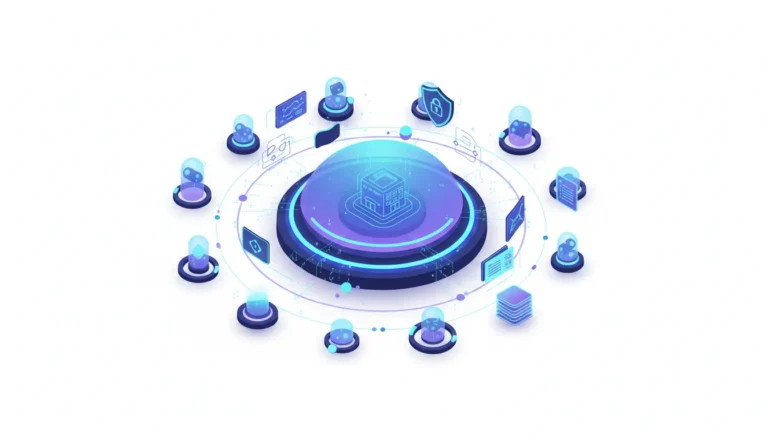
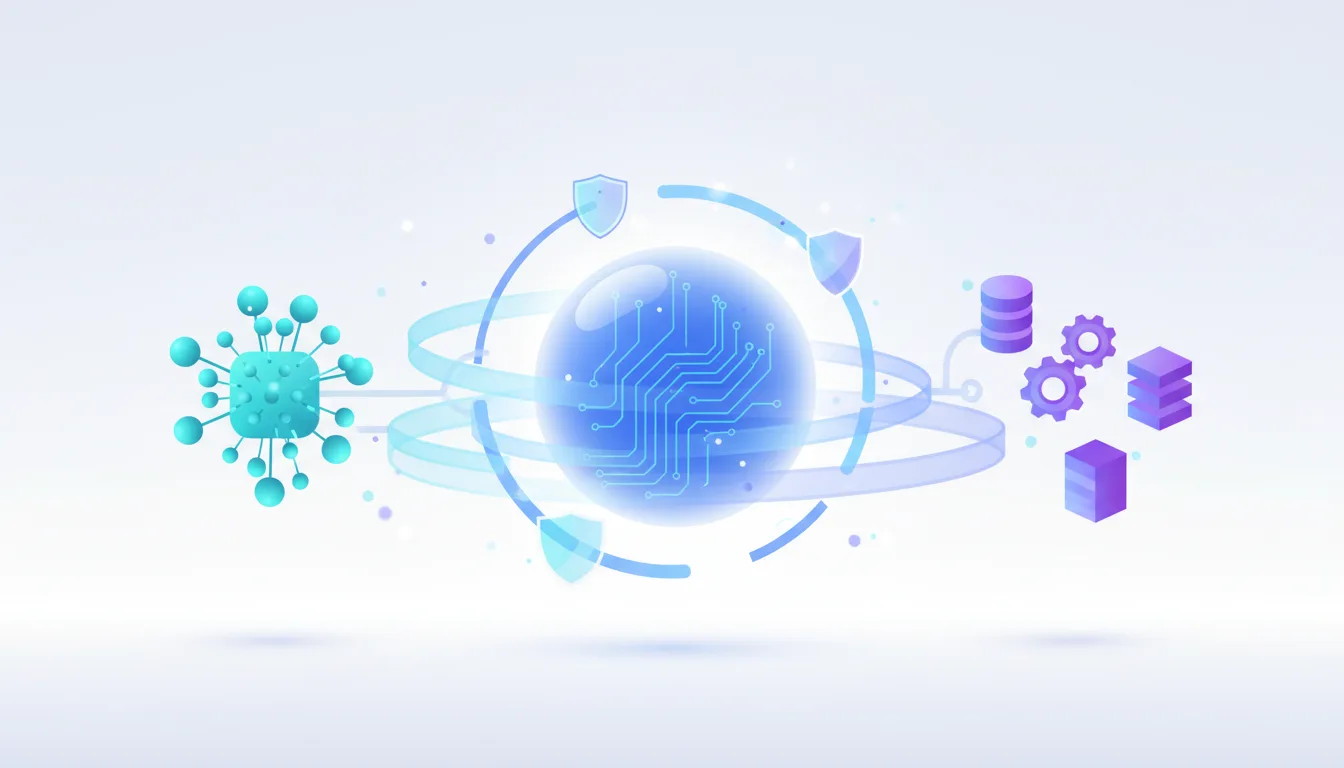
MCP’s power lies in its client-server architecture. The LLM (the client) doesn’t directly execute code or call an API. Instead, it requests data or an action from a dedicated MCP server, which acts as a sandboxed intermediary. This mediation is critical. It establishes a clear trust boundary, allowing administrators to configure granular permissions, manage secrets, and audit every request flowing between the model and a tool. This security-by-design approach directly counters the ad-hoc nature of many current solutions, where the line between model and tool often blurs, creating unpredictable vulnerabilities – and trust me, those can snowball fast in a team environment.
That said, this is a strategic challenge to the status quo. While OpenAI’s function calling is tightly integrated and easy to start with, it’s a proprietary mechanism that locks developers into its ecosystem. MCP, being an open protocol hosted on GitHub, offers a path toward interoperability. The vision is a future where a developer can spin up an MCP server for their company’s internal wiki or CI/CD pipeline and have it be accessible not just by Claude, but potentially by any LLM client that adopts the standard. This shifts the value from the model’s built-in tools to a robust, reusable ecosystem of connectors – a shift that’s overdue, if you ask me.
For enterprises, this is a compelling proposition. The protocol’s emphasis on explicit permissions, observability, and auditable logs aligns perfectly with corporate governance requirements. An organization can deploy a catalog of blessed MCP servers, ensuring that developers build on a sanctioned, secure foundation rather than wiring up every new LLM to sensitive systems in a one-off, unmonitored fashion. The trade-off is a slightly higher initial setup complexity compared to a single API call, but the long-term gains in security, scalability, and maintainability are the core selling point. Anthropic is betting that for serious production use cases, architecture will ultimately trump ease-of-use – weighing those upsides makes it hard to argue otherwise.
Stakeholders & Impact
| Stakeholder / Aspect | Impact | Insight |
|---|---|---|
| Anthropic / Claude | High | Positions Claude as a security-conscious, enterprise-ready alternative. By championing an open standard, Anthropic makes a strategic play for the developer ecosystem beyond its own models – it’s like planting seeds in a garden they might not own. |
| OpenAI / Competitors | Medium | Increases pressure on competitors to either adopt MCP or better articulate the security and governance story for their own proprietary tool-calling methods. The standard creates a new axis of competition, one that could shake things up over time. |
| AI Developers & Builders | High | Provides a standardized, more secure way to build complex AI agents. Reduces vendor lock-in for tool integration but requires learning a new architectural pattern – a small hurdle for the payoff, I’d say. |
| Enterprise IT & Security | Significant | Offers a powerful new governance model for LLM deployments. Enables the creation of vetted, auditable “connector catalogs” that align with existing security policies and secrets management, finally bridging the gap between innovation and compliance. |
About the analysis
Researched and written with AI assistance under the editorial responsibility of the i10X News team. The title image is an AI-generated illustration. Read our AI Use Policy. Spotted an error? Request a correction.
This is an independent analysis by i10x, based on research into Anthropic’s official protocol specifications, reference implementations, and a comparative review of alternative tool-calling frameworks. This article is written for developers, engineering managers, and CTOs evaluating the next generation of AI agent architecture and its impact on security and scalability.
i10x Perspective
The launch of the Model Context Protocol signals a crucial maturation point in the AI infrastructure stack. We’re moving from a world where models were black boxes to an era demanding structured, secure, and observable interaction with external systems. MCP is Anthropic’s bold declaration that the future of AI agents will be built on federated, open standards, not monolithic, proprietary APIs.
This sets up a fascinating conflict: the tightly integrated, fast-moving walled garden of a player like OpenAI versus the potentially slower, but more open and defensible, ecosystem that Anthropic hopes to catalyze. The question over the next few years is whether the open-source community can build and maintain a high-quality connector ecosystem around MCP that’s compelling enough to rival the convenience of integrated solutions. How this plays out will define the architectural patterns for building intelligent systems for the next decade – and honestly, I’m keeping a close eye on it.