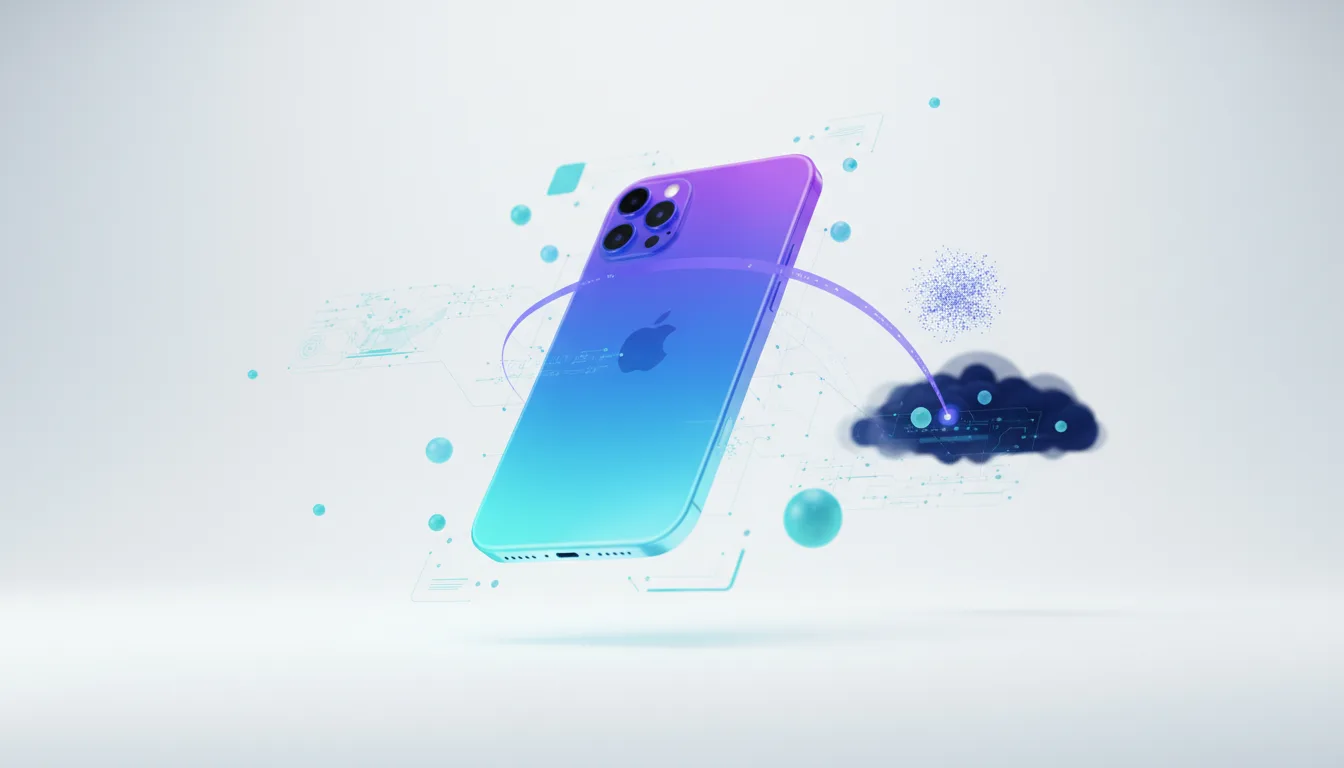
Apple’s revamped Siri, slipping into beta now, feels like more than a tweak—it’s a real shift in how the whole thing is built. Blending on-device models with that new Private Cloud Compute setup, and maybe even teaming up with Gemini, they’re crafting this layered AI stack. It’s Apple’s way of holding onto its privacy edge while stepping into the wild world of cloud-powered generative AI. And honestly, from what I’ve seen in the early buzz, this could mark the fade-out of those isolated assistants, ushering in a hybrid setup where multiple providers play in the mix right on your device.
Quick Take
- Summary: Apple Intelligence: Apple is starting to push out its next-gen Siri to folks testing the iOS beta, all under that “Apple Intelligence” banner. Gone are the days of basic commands; this version dives into natural language smarts and picks up on what’s happening right on your screen. It draws from on-device LLMs, Apple’s own Private Cloud Compute, and—rumor has it—a tie-in with Gemini for the tougher stuff.
- What happened: A handful of iOS beta users are getting their hands on the redesigned Siri, the one that now spots and responds to screen details, then pulls off intricate actions spanning apps. This builds on an upgraded App Intents framework, opening the door to smoother, more chat-like control over your phone and its apps. Have you ever wished your assistant could just… get it, without the back-and-forth? That’s the aim here.
- Why it matters now: Here’s the thing—Apple’s finally throwing its hat into the generative AI ring, and it’s a big gamble. Can a privacy-focused, mixed-model setup hold its own against the all-in-cloud giants from Google, OpenAI, or Meta? If that Gemini partnership pans out, it flips the script on rivals, making one a key player in Apple’s backyard.
Who is most affected
- Developers building for iOS? They’ll need to wrap their heads around natural language flows through App Intents, beyond just touchscreens.
- iPhone owners stand to unlock a game-changing way to use their devices.
- And Google—well, this could be their ticket to slipping Gemini into over a billion iOS lives, locking in that AI lead.
The under-reported angle
Coverage loves to hype “Siri’s getting brains,” but the quieter truth is Apple’s strategic give-and-take. Picture this tiered system—on-device for the private bits, private cloud for the heavy lifting, and a third-party like Gemini for the big creative swings. It’s Apple owning up to the fact that tackling the full generative AI puzzle solo is a tall order. Plenty of reasons this matters, from fresh regulatory eyes to reshaping how AI platforms duke it out.
Deep Dive
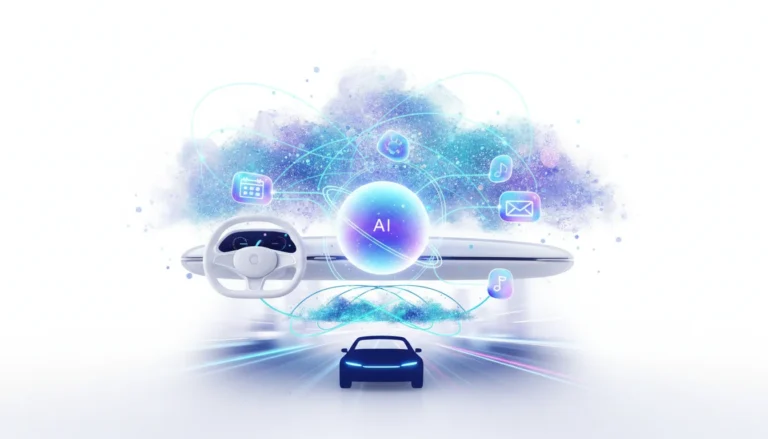
Ever wonder if your phone’s assistant could truly keep up with your day, not just react to orders? Apple’s rolling out this next-generation Siri, tied tight to the “Apple Intelligence” world, and it’s a turning point in their AI game plan. It breaks free from the old stiff back-and-forth, stepping up as a real context-savvy agent. On-device LLMs let it scan your screen, hold onto chat threads for a bit, and tackle those chained tasks across apps—no small feat. Credit goes to the overhauled App Intents framework; it basically equips any app that jumps on board to respond to plain English directions.
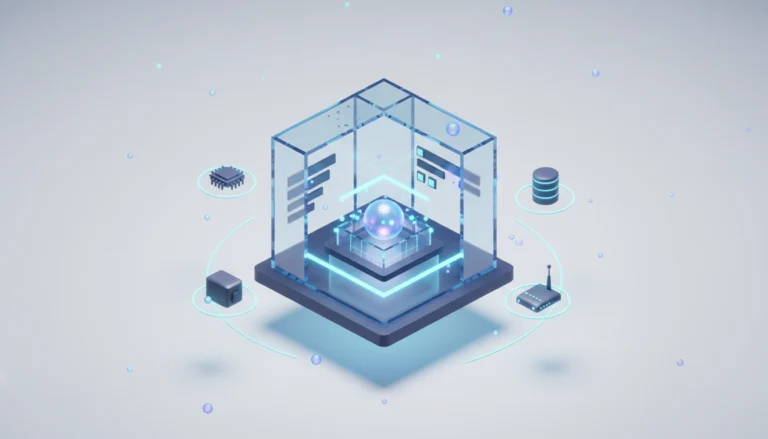
But that said, the real push-pull here is Apple’s fight to mesh its rock-solid privacy rep with the beastly compute needs of cutting-edge AI. They start with on-device crunching for the everyday stuff, keeping your emails or texts locked down on the iPhone itself. When things get thornier, in comes “Private Cloud Compute”—Apple Silicon servers that use crypto magic to guarantee the company can’t peek at your data. It’s a smart two-layer fix for the privacy worries that pop up in every AI chat these days.
The wildcard, though—and where Apple knows its limits— is this buzzed-about third-party hookup, probably “Gemini”, to handle broad knowledge or those wild creative asks. I’ve noticed how pragmatic that feels; even giants like Apple can’t solo-build an “everything AI” without breaking a sweat. Handing off the intensive generative work lets them hone in on the secure, tailored smarts, while still delivering solid results. It shifts the assistant from a standalone beast to something more like a service hub, with specialists tackling each intelligence layer.
Developers and the wider market? This hybrid vibe changes everything. App Intents isn’t optional anymore—it’s the fast track to how users discover and dive into your app. For the AI scene at large, it hints at a world where gatekeepers like Apple serve as the friendly front door and privacy gate, shuttling queries to the right model, be it homegrown or from across the aisle. That power buildup, though—it’ll spark those regulator questions, especially if an Apple-Google linkup hints at a mobile AI duo nobody can touch.
Stakeholders & Impact
| Stakeholder | Impact | Insight |
|---|---|---|
| Apple | High | This reworks their main user interface and AI direction, staking it all on a blended model to stay in the generative AI fight—while clinging to that privacy story they’ve built. |
| High | Landing Gemini inside iOS? That’d be a huge win, turning their model into the go-to knowledge hub for a billion-plus users. | |
| iOS Developers | High | Natural language via App Intents flips the script on app interactions—it’s now key for visibility and features. Get in early, and you’ll edge out in user experience. |
| Regulators | Significant | Any Apple-Google AI team-up screams antitrust checks, flagging worries over market lock-in and squeezing out the little guys in AI. |
| End Users | High | You’ll get a way sharper assistant, sure—but brace for fresh privacy angles and the quirks of a beta juggling linked-up AI pieces. |
About the analysis
Researched and written with AI assistance under the editorial responsibility of the i10X News team. The title image is an AI-generated illustration. Read our AI Use Policy. Spotted an error? Request a correction.
This piece pulls together an independent take from i10x, drawing on reports from tech outlets, Apple’s dev docs, and whispers from beta testers. It’s aimed at developers, product leads, and strategy folks hungry for the bigger picture on how Apple’s AI setup is evolving—strategically and under the hood.
i10x Perspective
Siri 2.0 goes beyond a polish job; it’s sketching the roadmap for AI baked right into our devices. Apple shows how tomorrow’s OS might just broker smarts—sizing up privacy needs, task weight, and raw power to pick the path. The big if? Can this spread-out style match the smooth ride of those all-cloud, top-to-bottom rivals? Whatever shakes out, it’ll steer not just the assistant showdown but how we handle, share, and cash in on device intelligence for years to come.