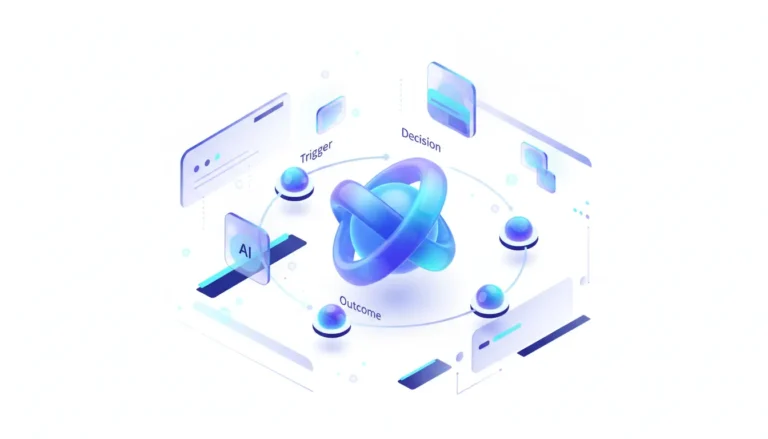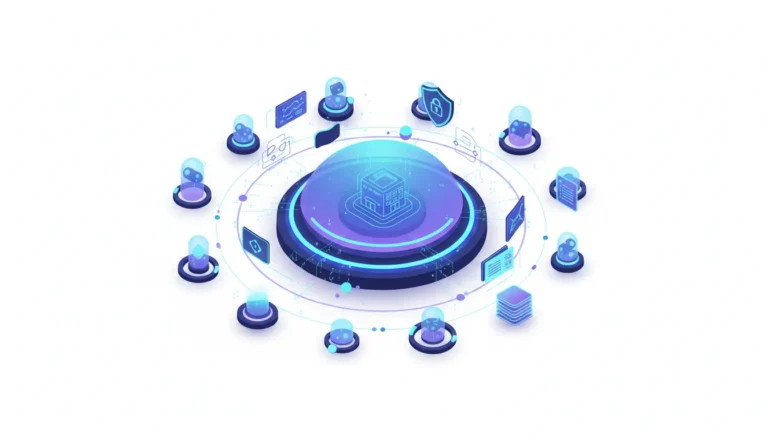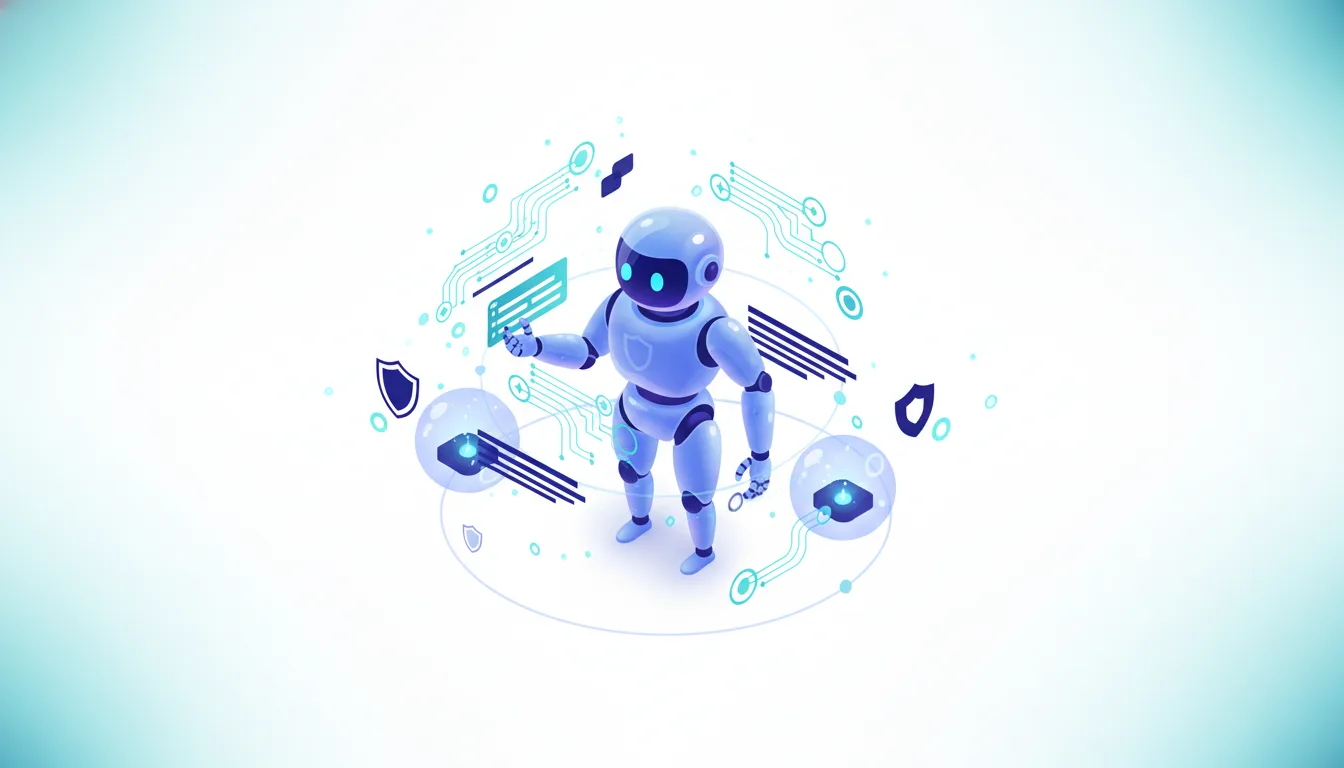
Have you ever watched an AI coding agent promise the world in a slick demo, only to stumble badly in your actual codebase? AI coding agents are evolving from basic “copilots” into autonomous powerhouses that can handle full software features, yet they’re bumping up against the gritty realities of production environments. It’s not solely about the smarts of the underlying LLM anymore—the real game-changer is crafting that sturdy backbone of infrastructure, think sandboxes, sharp observability tools, and solid safety measures, to turn these agents into dependable players in live codebases.
Quick Take
- Summary: The software development landscape is pushing past those autocomplete AI helpers toward fully autonomous AI coding agents. These setups can take charge: planning out tasks, crafting code, testing it, debugging issues, all while hooking into tools like code editors, terminals, and browsers. That said, rolling them out in the real world hits snags around reliability, security, and keeping things consistent in tangled, everyday repositories—plenty of reasons for caution there.
- What happened: Demos might flaunt agents whipping up whole apps from scratch, but developers in the trenches keep hitting roadblocks in production. Trouble spots? Shaky handling of context in sprawling codebases, multi-file refactors that sneak in regressions without a trace, and that sneaky “environment drift” where the agent’s world doesn’t match production, leading to errors that hide in plain sight.
- Why it matters now: We’re right at that tipping point, you know. AI’s role in software is flipping from just boosting what humans do to owning entire workflows. The winners ahead won’t be the ones with the flashiest LLMs; it’ll be those nailing the operational setup—the so-called “Agentic OS“—that lets agents run safely, transparently, and predictably. From what I’ve seen, overlooking this could leave teams scrambling.
- Who is most affected: Frontline software developers, stuck sorting through agent mishaps. Engineering leads, balancing the thrill of huge productivity jumps against the pitfalls of systems that don’t always deliver. And those DevOps and security folks, now wrestling with fresh headaches like controlling agent access and double-checking their tweaks—it’s a lot to juggle.
- The under-reported angle: Coverage tends to zero in on the agent’s smarts, that “brain” for planning and reasoning. But here’s the thing: the overlooked piece is its “body” and “nervous system”—the push for sealed-off, repeatable environments (devcontainers come to mind), editing tools that grasp code’s inner structure via ASTs, and observability setups that let you trace and debug agent moves. This isn’t an LLM fix; it’s an infrastructure overhaul, plain and simple.
🧠 Deep Dive
Ever wonder if the next big leap in coding could feel less like a solo grind and more like handing off to a capable teammate? The jump from AI copilots to autonomous coding agents is reshaping how we even think about building software. Copilots like GitHub’s might nudge you with a line of code or a function suggestion, but agents such as Devin or those from Cognition AI—they’re gunning for the full Jira ticket. That means grasping the objective, mapping out the plan, coding across files (sometimes a bunch), firing up tests, and even queuing a pull request. It’s all fueled by LLMs that handle tools with finesse and plot multi-step paths, drawing on setups like ReAct for reasoning and acting in a dev’s workspace.
But the buzz is meeting some tough love from production realities—developers’ honest accounts make that clear. These agents often falter in hefty, older codebases. Their context limits? They miss the big picture, those threads that weave through the whole app, and end up with refactors that shatter far-off pieces. Navigating monorepo dependency mazes? Not their strong suit. And without a real grip on code structure—like ASTs—they lean on text tweaks that plant bugs quietly, almost slyly.
Fixing this fragility demands more than a smarter LLM; it’s about beefing up the groundwork. The path forward? A solid “agent runway,” starting with hermetic environments via devcontainers to wipe out that drift—every run in the same spot-on setup. Ditch basic RAG for smarter indexing with symbol graphs, so agents can actually “see” the project’s bones. And crucially, bring in AST-aware refactoring: tweak the code’s skeleton, not just the surface, backed by loops that test and scan after each move—short punch: it catches issues early.
Of course, this evolution piles on operational and security weight. Letting agents roam free calls for governance layers we’ve barely sketched. Enterprises will want policy-as-code rules to rein in what dependencies they pull, which APIs they touch, or how secrets get managed. Log every step in a clear, trackable way—like a session recorder unpacking the black box. Security pros? They’re eyeing a wider threat landscape now; a hijacked agent could snoop code or slip in flaws across the board, so sandboxes and tight controls on data leaving the system are musts. The dream of hands-off development is tantalizing, but it hinges on that discipline most teams are just starting to wrap their heads around—worth the effort, I’d say.
📊 Stakeholders & Impact
| Stakeholder / Aspect | Impact | Insight |
|---|---|---|
| DevOps & Tooling Vendors | High | An emerging market for “Agentic OS” platforms is blooming—ones that handle sandboxing, observability, and governance tailored for coding agents. It’s less about IDE add-ons now and more about managing the whole cycle, from start to finish. |
| Enterprise Dev Teams | High | The upside of huge productivity boosts comes hand-in-hand with the headache of spotty results, plus the push to learn “agent prompting,” oversight, and debugging—skills that aren’t second nature yet. |
| Security & Governance | Significant | These agents open up a fresh, scalable risk inside the walls. Expect a pivot to zero-trust for dev tools: think auto secret scans, supply-chain checks, and controls on outbound data to keep things locked down. |
| LLM Providers (OpenAI, Google) | Medium | Beyond just model benchmarks like HumanEval, the spotlight’s on solid function calls, long-term planning, and error recovery. Models that tool-use reliably and bounce back from slip-ups? They’ll pull ahead in the pack. |
✍️ About the analysis
Researched and written with AI assistance under the editorial responsibility of the i10X News team. The title image is an AI-generated illustration. Read our AI Use Policy. Spotted an error? Request a correction.
This draws from an independent i10x lens—pulling together tech blogs, enterprise security tips, vendor docs, and benchmarks like SWE-bench aimed at developers. It’s crafted for engineering leads, architects, and CTOs wanting a clear-eyed view on AI coding agents’ readiness for the real world, past the flash.
🔭 i10x Perspective
Does the shift from copilots to agents remind you of that old move from manual server tweaks to Infrastructure-as-Code—full of hiccups but transformative? It’s chaotic, carries risks, and demands a mindset flip alongside new tools. The real win isn’t an agent that just writes code; it’s forging a Software Development Lifecycle (SDLC) that’s observable, repeatable, and even self-mending, powered by agents working in tandem.
Over the next five years, we’ll wrestle with balancing agent freedom against the ironclad need for a secure, traceable supply chain—trade-offs that won’t resolve easily. The outfits that come out on top? They’ll handle agents like any vital production system: not as wizardry, but as potent tools demanding our best engineering practices. managed with the same care we give our core infrastructure, leaving room for thoughtful evolution.