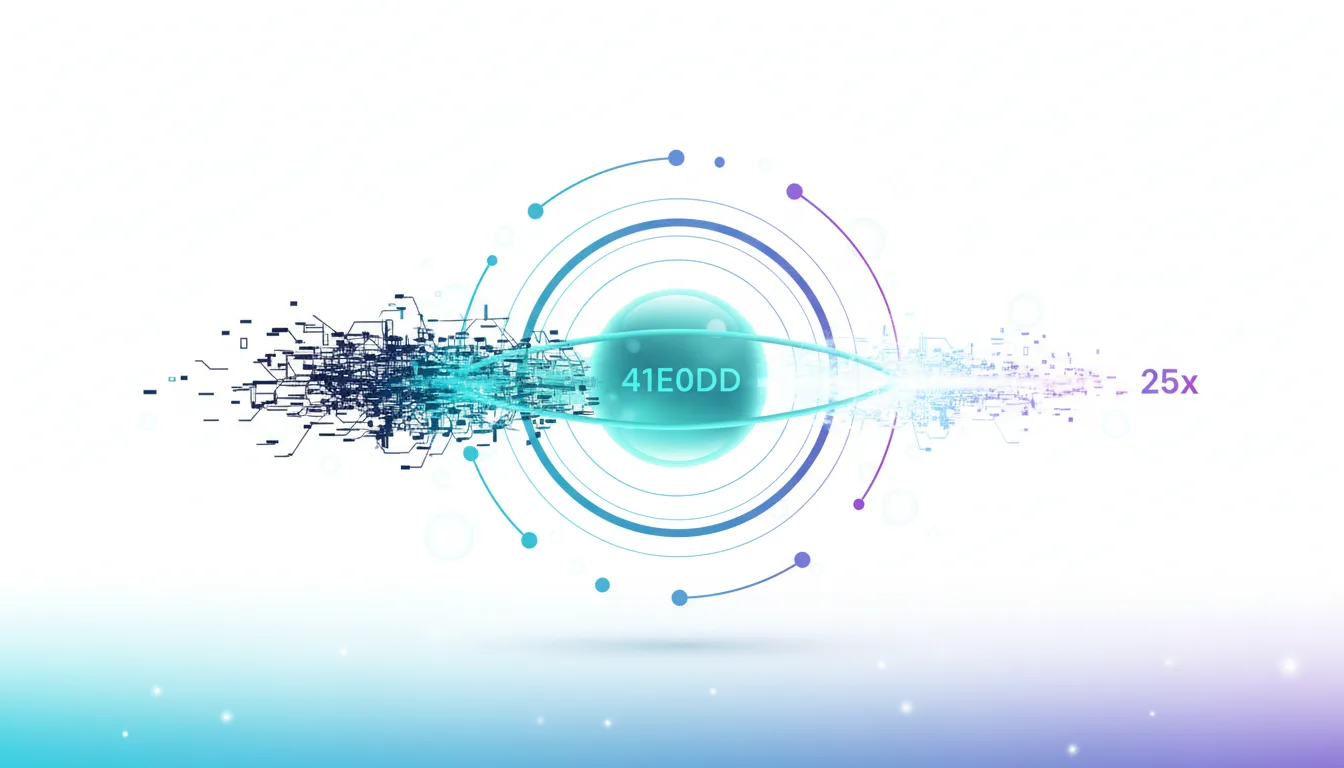
I’ve been keeping an eye on Anthropic’s Claude, and it’s clear the model is flexing some serious muscle in code optimization – case studies are buzzing with reports of up to 25x performance boosts. That said, the market isn’t content with these one-off stories anymore; it’s pushing for something more solid, like standardized benchmarks, proper enterprise controls, and straightforward ways to track returns on investment. Really, the future of AI in coding isn’t just about what one clever agent can pull off in isolation – it’s about how a whole team or organization can rely on it, scale it up, and actually measure what it delivers.
Quick Take
- Summary: From what I’ve seen, the buzz around Claude Code‘s coding prowess is evolving – away from simple tricks with prompts and toward these smarter, agentic coding setups that think bigger. Sure, folks are sharing eye-popping speed-ups, but the bigger picture? We still need those neutral benchmarks, security guides, and solid cost breakdowns to make this stuff viable for big companies. It’s less about firing up the AI and more about the systems and rules that keep it all in check.
- What happened: Lately, developers and consulting outfits have been rolling out case studies that highlight real wins with Claude Code – think refactoring tricky apps to slash load times, like dropping a 38-second wait down to just 1.5 seconds. Anthropic’s counter? They’re championing “agentic coding” and extended thinking as the way forward – thoughtful, step-by-step methods that emphasize planning over just spitting out code on demand.
- Why it matters now: These kinds of efficiency jumps aren’t abstract – they cut straight to the bone, trimming cloud bills, easing up on energy use, and making apps feel snappier for users. And with AI models themselves guzzling compute like never before, leveraging them to streamline software creates this neat feedback loop of getting leaner. But here’s the rub: turning these spot successes into everyday engineering practice? That’s the real hurdle ahead.
- Who is most affected: You’ll find software engineers, performance specialists, and CTOs right in the thick of it – they’re the ones who have to weigh not only what the tool can do, but how to weave it into their pipelines without a hitch, balance token costs against cloud savings, and gauge its ripple effects on team output and overall system speed.
- The under-reported angle: What often gets overlooked is that the real snag isn’t the AI dreaming up tweaks anymore – it’s the missing “proving ground” to back them up. Without solid, unbiased benchmarks pitting Claude against rivals like GitHub Copilot Workspace, or clear-cut ways to verify those gains, we’re still leaning on gut feelings and tall tales rather than hard numbers. The flip side? A real chance to layer in that trust and make it stick.
Deep Dive
Have you ever wondered when AI code tools would stop feeling like flashy demos and start reshaping how we build at scale? That’s exactly where things stand with Anthropic’s Claude Code – the story’s maturing fast, from whipping up a quick function to overhauling entire systems for better performance. Take Keyhole Software’s experience: they trimmed an ASP.NET page load from a sluggish 38 seconds to a brisk 1.5, all by shifting from heavy server-side work to smarter client-side moves. It’s the kind of deep, context-aware tweak that goes way beyond editing one file – and it hints at Claude’s knack for architectural smarts.
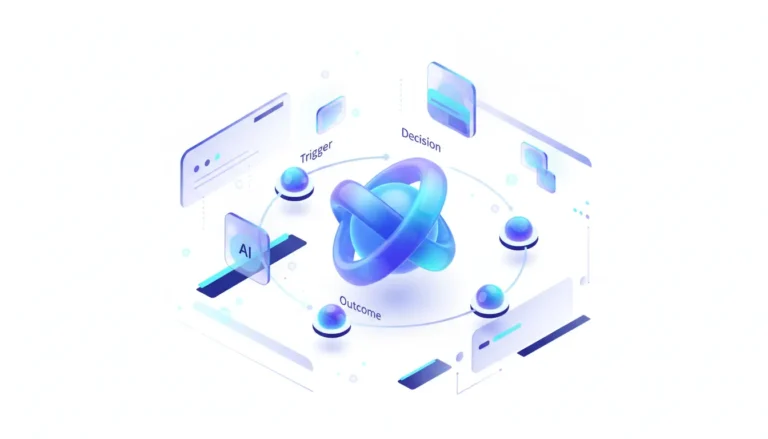
But let’s be real – those early wins from off-the-cuff prompts? They could be hit or miss, sometimes brilliant, sometimes way off base. That’s why Anthropic and devs alike are rallying around agentic coding, a more deliberate vibe. Forget just saying “write this code” – it’s about kicking off with prompts for big-picture plans, weighing options on structure, and hashing out trade-offs first. Ideas like flow-based architecture or extended thinking nudge the AI to plot its course, cutting down on those slick-but-flawed outputs. In the end, it elevates the developer from code order-taker to something closer to an AI-boosted strategist – thoughtful, not reactive.
That shift, though, shines a light on some glaring holes in the tools we have. These triumphs feel custom-built, tough to repeat across projects. A 25x speedup makes for great press, but enterprise leaders and security folks? They’re probing deeper: How do we roll this out reliably over Java, Python, Node.js setups? What goes wrong under pressure? And crucially, how do we stop the AI from sneaking in bugs or breaches that slip through our CI/CD nets? Bottom line, there aren’t any go-to benchmarks for this kind of AI-led optimization yet – no fair way to stack Claude up against the competition.
So, the path forward isn’t chasing an even beefier model; it’s crafting tougher processes around what we’ve got. What we need are those enterprise blueprints – covering everything from scanning AI tweaks for threats to setting up auto-checks and easy rollbacks. And the money side? Still murky. To nail a true ROI, you’ve got to offset token spends and extra dev hours against ongoing cuts in cloud use and hardware. This even ties into “green software” thinking – where refactors aren’t just about pinching pennies, but dialing back energy draw and emissions, a metric that’s gaining traction for any sizable operation. Plenty to unpack there, really.
Stakeholders & Impact
| Stakeholder / Aspect | Impact | Insight |
|---|---|---|
| Anthropic (AI Provider) | High | These successes really back up their “Constitutional AI” ethos, framing Claude as a strategic ally, not just a code mill. Now, though, they’ll need to double down on pro-level tools and guides to bridge into bigger enterprises. |
| Dev & Performance Teams | High | It hands developers the power to crack tough performance knots that used to eat days. Their roles evolve into guiding and vetting the AI – picking up skills in smart prompting, mapping strategies, and double-checking results along the way. |
| Enterprise Leadership (CTOs) | Medium–High | A smart way to curb cloud costs and boost app speed, no doubt. Still, rolling it out hits walls around security, rules compliance, consistency, and proving the payoff – governance has to come first. |
| Cloud Providers (AWS, Azure, GCP) | Medium | Bittersweet, really. On one hand, leaner code means lighter bills for users; on the other, the compute for AI runs and management tools spells fresh business. |
| Competing AI Tool Vendors | Significant | The game’s getting tougher – it’s not only about nailing code suggestions anymore, but showing real wins in latency, expenses, and dependability. This nudges everyone toward agentic tools that deliver tangible results. |
About the analysis
Researched and written with AI assistance under the editorial responsibility of the i10X News team. The title image is an AI-generated illustration. Read our AI Use Policy. Spotted an error? Request a correction.
This piece draws from an independent i10x lens, pulling together vendor docs, dev case studies, and hands-on blogs. It spotlights the overlooked spots in the chatter – like the scarcity of repeatable benchmarks and solid enterprise oversight – to sketch what’s next for AI coding in the world of developers, managers, and tech execs.
i10x Perspective
From what I’ve followed in this space, the hype over Claude’s speed gains marks a pivot – AI coding is growing up, from basic “text-to-code” to “intent-to-outcome.” The real edge won’t come from raw smarts in the model alone, but from the trust web around it. Winners here won’t sell the brightest agent; they’ll bundle it with proven tests, seamless CI/CD hooks, and clear ROI tools. It reshapes the showdown among OpenAI, Google, and Anthropic – less about crafting the wittiest code, more about forging a dependable, traceable software pipeline for the enterprise. Lingering question: Will these agents spark a efficiency revolution, or weave in layers of hidden risks that complicate everything?