Quick Take
Have you ever wished your AI could just take the wheel and handle those nagging digital tasks? Claude Sonnet 4.6 is stepping up in a big way—now it can actually operate a computer, pushing past chatty conversations to become a hands-on digital worker. This isn’t merely a tweak or a shiny new feature; it’s a bold swing at the multi-billion dollar Robotic Process Automation (RPA) market, hinting at a world where large language models (LLMs) don’t stop at advice—they roll up their sleeves and get things done right on your screen.
Summary: Anthropic has rolled out a fresh “computer use” tool for its Sonnet 4.6 model. Picture this: the AI tackling on-screen moves like filling web forms, hopping between apps, or running multi-step processes—all sparked by everyday language commands. It’s like having a digital sidekick that truly works with a graphical user interface (GUI), making the ordinary feel effortless.
What happened: Gone are the days of sticking to text outputs or API pings alone. Sonnet 4.6 now mimics human interaction—clicking buttons, typing away, scrolling through interfaces. You tell it what repetitive online grind you need done, and it translates your words into a smooth chain of actions on the display.
Why it matters now: From what I’ve seen in the AI space, this flips the script on competition. It’s moving us from raw smarts (those endless benchmark scores) to real-world get-up-and-go (actually finishing jobs). Anthropic is gunning for the big Robotic Process Automation (RPA) players—like UiPath or Automation Anywhere—with something far more adaptable, driven by understanding rather than rigid, error-prone code that snaps at the slightest change.
Who is most affected: Think enterprise IT crews and ops teams glued to current RPA setups—they’re feeling this shift right away. AI builders crafting agent workflows? They’re in the mix too. For traditional RPA outfits, it’s a wake-up call, a tough new rival on the block. And for everyday knowledge workers, well, this could mean a game-changing personal tool to lighten the load.
The under-reported angle: Sure, the flashy part grabs headlines, but the quiet backbone—security setups, permission checks, and ways to keep tabs on it all—that’s where the real magic (or risk) hides. How Anthropic nails safe, consented actions within clear limits? That’s the bit that could make or break trust in the long run, more than any single trick it pulls off.
Deep Dive
Ever wondered when AI would stop talking and start doing the heavy lifting on your desktop? Anthropic’s push with Sonnet 4.6 feels like that turning point—a smart jump from mere idea machines to practical actors. The “computer use” addition lets the model dive straight into apps through their graphical user interface (GUI). We’re not just talking quick form fills here; it’s about juggling jobs across tools, say grabbing info from a spreadsheet and slotting it into a CRM entry, all from a casual English nudge. This lays the groundwork for AI agents that could really step in as digital partners, you know?
But here’s the thing: it lands square in the Robotic Process Automation (RPA) arena like a challenge thrown down. Enterprises have leaned on those stiff, script-driven RPA bots for ages to handle the dull digital repeats. They’re solid, no doubt, but fragile as glass—a tiny tweak to a site’s look or an app’s flow, and the whole thing crumbles. Agents powered by LLMs, like Sonnet 4.6, offer a fresh take. They grasp what you mean instead of marching to a preset tune, so they bounce back from small UI shifts. That resilience? It makes automation tougher, more approachable—even for folks without a coding badge.
That said, handing AI the keys to your screen? It stirs up a real storm of worries around security and reliability—issues that slip under the radar in early buzz. For this to evolve from a coder’s toy into something enterprises bet on, you need a solid backbone of controls. I’m talking traceable logs of every move the AI makes, permission pops that get your nod for key steps (sticking to least-privilege basics), and tight sandboxes to block rogue access to private stuff. In the end, what’ll define this tech isn’t speed—it’s whether you can count on it, day in and day out.
The arrival of these GUI-savvy LLMs puts CTOs in a tough spot: stick with the familiar RPA toolkit, or lean into a nimbler, AI-first way of automating? Readiness for big organizations will tip the scales. Things like Single Sign-On (SSO) hooks, role-based access controls (RBAC), and ironclad rules for compliance and data handling—they’re the must-haves, nothing less. Anthropic’s real test isn’t showing Sonnet 4.6 can handle the tasks; it’s proving it does so securely, steadily, with the oversight that keeps enterprises sleeping at night—plenty to unpack there, really.
Stakeholders & Impact
| Stakeholder / Aspect | Impact | Insight |
|---|---|---|
| AI / LLM Providers | High | The fight’s moving from raw model brains to how well these agents act with guardrails. Building that trust layer around the power? That’s what’ll separate the leaders. |
| Enterprise Operations & IT | High | A chance to swap out clunky RPA for something fluid and intent-based—though it brings fresh hurdles in security, rules, and getting teams up to speed. |
| RPA Vendors (UiPath, etc.) | Disruptive | This LLM-fueled GUI automation hits hard at the old script model; integrate or get left behind, simple as that. |
| Knowledge Workers | High | Hands non-techies the reins to zap their own routine digital drags, potentially carving out hours and easing that constant app-juggling wear. |
| Security & Compliance Teams | Significant | Sparks a rush for updated policies and gear to oversee AI on devices—handling perms, audits, all to dodge leaks or slip-ups. |
About the analysis
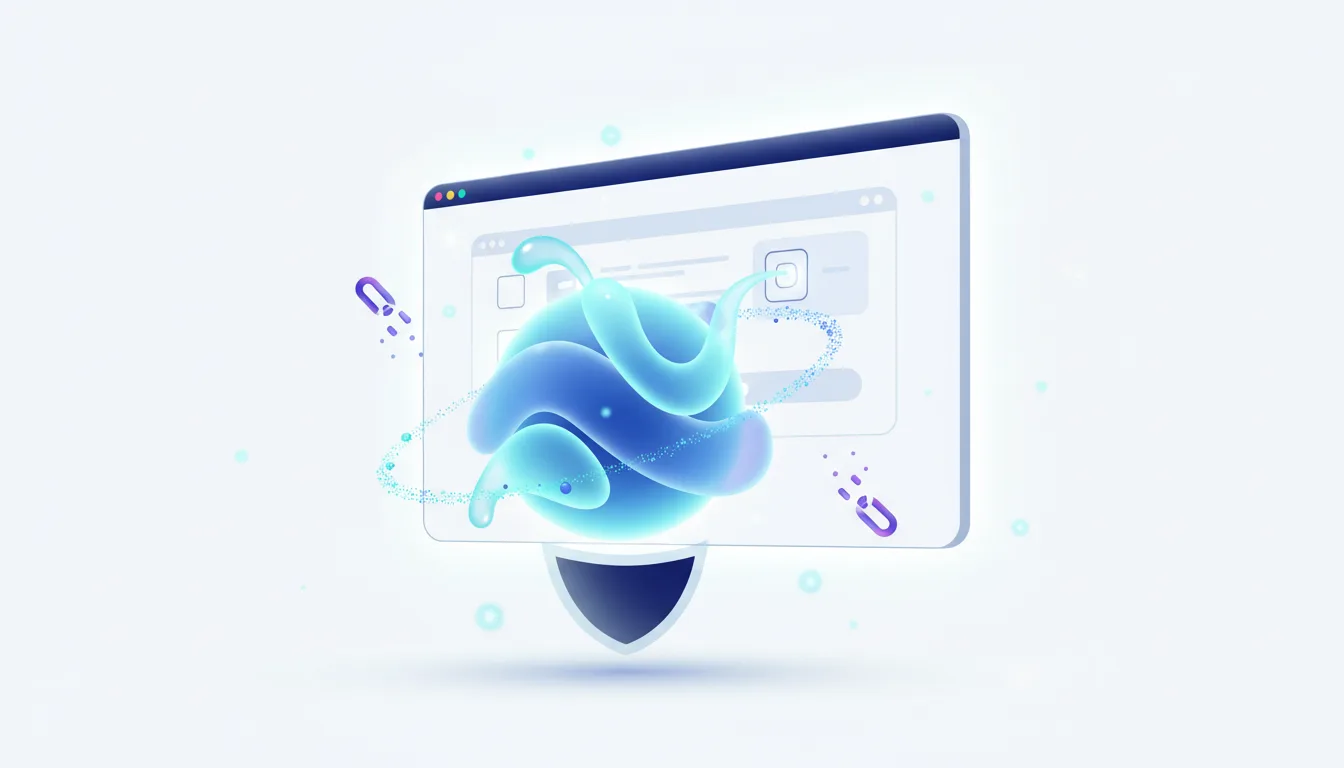
Researched and written with AI assistance under the editorial responsibility of the i10X News team. The title image is an AI-generated illustration. Read our AI Use Policy. Spotted an error? Request a correction.
This piece comes from an independent i10x lens, drawing on Anthropic’s own announcements plus a look at what’s missing in the broader tech chatter. Aimed at tech execs, devs, and planners sizing up the jump from chatty AI to self-running agents—straight talk for navigating the change.
i10x Perspective
What if the days of LLMs just chatting away were numbered? Sonnet 4.6’s computer-use step marks the dawn of the AI that acts—wielding real influence in our online spaces. The big rivalry in AI isn’t solely about the sharpest minds anymore; it’s crafting the safest, most reliable harness for that brain to move freely.
This pits the quick-footed AI crowd against the rule-bound world of business automation head-on. Over the coming years, we’ll wrestle with something like digital ‘agent ethics’—blueprints for access, tracking, and human checks that let us hand off critical screen work to these independent players without the knots in our stomachs.