Quick Take
The billion-dollar deal between Disney and OpenAI that wasn’t has become a defining cautionary tale for the AI industry. It marks the end of the “handshake deal” era with AI labs and ushers in a new, brutally pragmatic playbook for enterprise AI adoption, where corporate control and risk mitigation have officially replaced blind faith in visionary founders.
Summary: Disney reportedly cancelled a potential $1B+ investment in OpenAI following the AI lab’s late 2023 governance crisis. This abandoned deal is now seen as a watershed moment, forcing a strategic reset across industries on how to partner with, invest in, and de-risk foundational model providers.
Ever wonder what happens when the glamour of a big AI partnership hits the harsh wall of reality? What happened: Disney’s board and leadership, from what I’ve pieced together in the reports, took a hard look at the risks of just dropping equity into something so shaky. The temporary ousting of CEO Sam Altman laid it bare—the whole operation hinged on one person, really, with no real way for a smaller investor like them to step in and steady the ship.
Why it matters now: That said, this has pretty much buried the old “venture bet” approach to enterprise AI deals. Companies are shifting gears toward these more layered arrangements, mixing licensing with tight safeguards in the contracts. It’s not just about plugging into an API anymore; they’re insisting on real oversight, checks on the tech side, and solid protections for their intellectual property.
Who is most affected: Think about the execs in the C-suite at big public companies—they’re the ones feeling this most directly, having to back up any AI move with twice the homework now. And the AI labs themselves, outfits like OpenAI and Anthropic, well, they’re under the microscope too, needing to show they’ve got their house in order to snag those enterprise gigs.
The under-reported angle: Sure, the headlines chased the drama with the OpenAI board, but the quieter shift is in how everyone does their homework these days. It’s all about digging deep into the tech—safety tests, red-teaming, where the IP even comes from—and layering on legal protections like clauses for key people, rights to pull out, or seats at the table for observers. The big question in boardrooms has flipped from “What tricks can this AI pull?” to something far more grounded: “How do we keep a grip on it, and what’s our plan if things go sideways?”
Deep Dive
Have you ever watched a seemingly perfect business match unravel in real time, leaving everyone rethinking their playbook? The reported collapse of Disney’s billion-dollar investment in OpenAI wasn’t just a missed opportunity; it felt more like the industry getting a much-needed reality check. For months, folks talked about this as the natural pairing of top-tier content and cutting-edge AI—like it was meant to be. But then the OpenAI board crisis hit in November 2023, and it all cracked open, showing just how fragile the setup was at one of the biggest names in AI. For Disney, a company that’s all about protecting its brand in the public eye, this turned into an unplanned trial run, proving that writing a check for equity was less investment and more of a gamble on leaders they had no sway over.
From what I’ve seen in the fallout, it’s sparked this ongoing conversation among execs everywhere: how do you tap into powerful AI without handing over the reins to your strategy? The classic choice between building your own or buying in has evolved into a tougher web of decisions—straight equity, licensing deals, joint projects, or going solo with in-house development. The Disney-OpenAI story makes a strong case against sitting back with passive stakes. Instead, the smarter path, as laid out in some fresh legal takes and strategy papers, is all about managing risks head-on. That involves pushing past basic API use and building in real tools for influence, like spots on the board to watch things, access to key info, and those “key-person” triggers that let you back out or hit pause if the top brass walks.
The whole due diligence process for these AI tie-ups? It’s been turned upside down. It used to zero in on how well the models perform and what they cost, but now it starts with checking the company’s backbone—how mature their governance is, whether they’ll cover you on IP issues, and if the tech is open enough to inspect. For Disney especially, where everything rides on their creative assets, the real worry is making sure their stories and characters don’t get swept up or twisted in ways that hurt the brand by some AI churning out content. So the bar is higher: partners have to show clear trails on IP sources, strong filters for what’s fed in, and outside checks on model safety—basically, cracking open that mysterious AI box to make it something you can actually manage and verify.
This drive for more say-so ties right into the growing web of rules out there too. With things like the EU AI Act laying out risks and who’s on the hook, or the FTC poking at AI promises, a fuzzy partnership spells trouble down the line. The forward-thinking deals are weaving in terms that line up with those regs from the start, holding partners responsible for keeping models in check and reporting any hiccups. It flips the script for legal teams—they’re not just signing off anymore; they’re right in the mix, shaping the AI setup to shield against lawsuits or bad press that could linger.
Stakeholders & Impact
| Stakeholder / Aspect | Impact | Insight |
|---|---|---|
| Enterprise C-Suites (e.g., Disney) | High | Shift from passive equity deals to demanding hybrid partnerships with governance rights, technical audits, and strict IP controls. The risk calculus has fundamentally changed. |
| Foundational AI Labs (OpenAI, Anthropic) | High | The era of easy strategic investment is over. They now face heightened due diligence and must prove institutional stability and technical transparency to land major enterprise deals. |
| Legal & Corp Dev Teams | Significant | The old M&A playbook is obsolete. The new priority is drafting ironclad AI-specific contracts with “key-person clauses,” suspension rights, and IP indemnities. |
| Cloud Hyperscalers (Microsoft, Google, AWS) | Medium | This instability at pure-play AI labs strengthens the value proposition of integrated cloud AI offerings, which are perceived as more stable and enterprise-ready. |
About the analysis
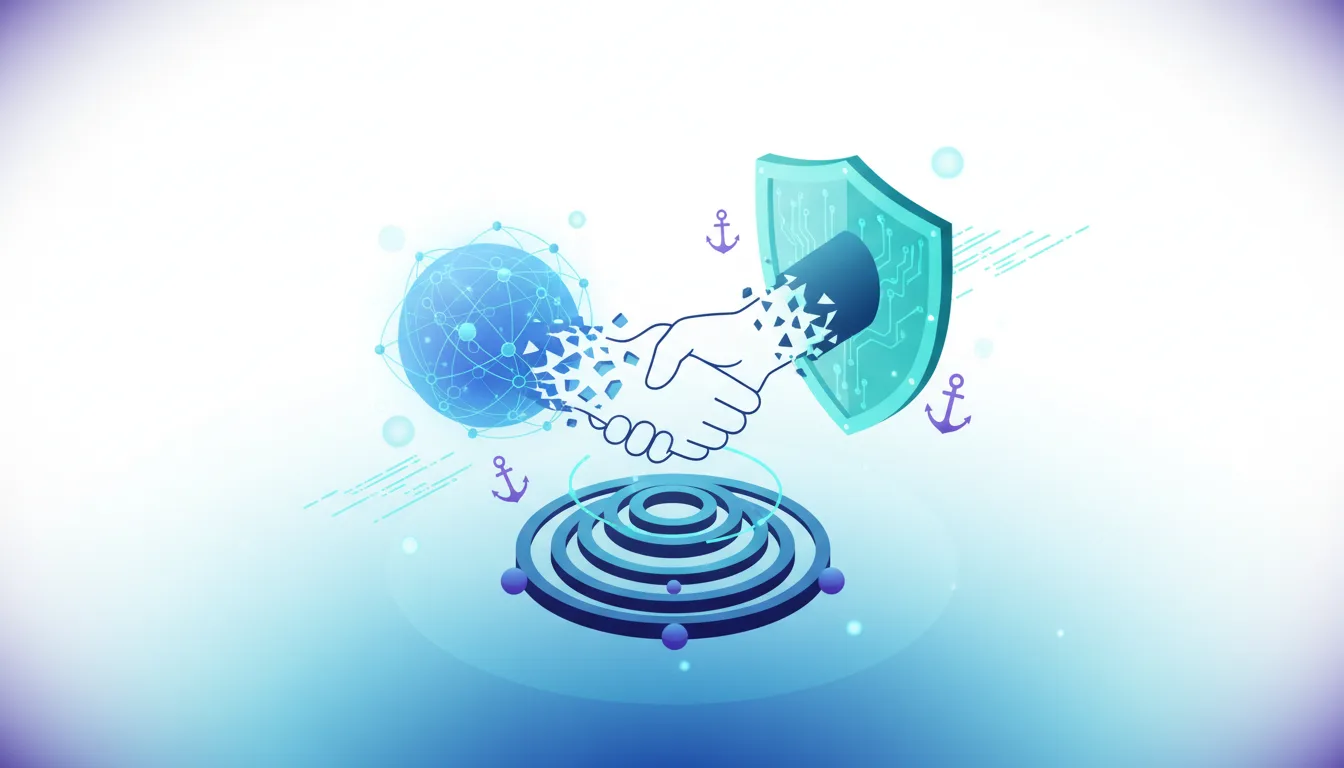
Researched and written with AI assistance under the editorial responsibility of the i10X News team. The title image is an AI-generated illustration. Read our AI Use Policy. Spotted an error? Request a correction.
This analysis draws from an independent i10x view, pulling together legal and strategic insights along with the market vibes after the reported Disney-OpenAI deal fell through. It’s aimed at strategists, CTOs, legal advisors, and execs steering those big AI partnerships and tech choices—folks who need a clear-eyed take on the shifting ground.
i10x Perspective
What if the real lesson from the Disney-OpenAI hiccup is that we’re past idolizing the founders in this AI boom? It feels like the close of that “founder-worship” chapter, where the rush was all about grabbing the shiniest tech. Now, building out AI infrastructure isn’t solely about hooking up to the top model; it’s about having solid proof you can steer it, keep it in line.
Looking ahead, the partnerships that stick won’t feel like rolling dice on an unpredictable lab. They’ll lean toward teaming up to craft these tailored, reliable AI systems—ones you can audit, govern openly, and build to bounce back from bumps. Expect the market to split: big players will push for custom setups they can truly command, which carves out fresh advantages not just in using AI, but in taming and scaling it without the constant worry.