Have you ever wondered how entertainment giants might actually tame the wild side of AI? Disney’s groundbreaking tie-up with OpenAI goes way beyond just imagining Mickey Mouse dancing in a video clip—it’s laying out a smarter path for generative AI altogether, ditching the messy “scrape and hope no one sues” approach for something more deliberate, like “license it right and invest wisely.” In the process, Disney’s building this secure, multibillion-dollar haven for its intellectual property, drawing a firm boundary that’s as much legal as it is business-savvy, all while giving OpenAI a serious edge over the competition in the race for AI video tools.
Quick Take
- Summary: The Walt Disney Company has signed on for a three-year deal to license a handpicked collection of more than 200 characters from its Disney, Pixar, Marvel, and Star Wars worlds to OpenAI, specifically for powering the Sora video generation model and ChatGPT Images. On top of that, Disney’s making a $1 billion equity investment in OpenAI, which points to a real strategic partnership between this media powerhouse and the AI frontrunner.
- What happened: Disney’s opening up access to a specific lineup of its biggest animated, masked, and creature characters—think costumes, props, and even environments that go with them. But here’s the smart part: the agreement makes it crystal clear that it skips any likenesses or voices of human performers, tackling head-on the big worries from Hollywood unions and actors. OpenAI, for its side, is putting in strong safety measures to keep everything brand-appropriate and suitable for families.
- Why it matters now: This collaboration sets up the first real blueprint for how valuable, time-tested intellectual property can play nice with generative AI. It’s a shift for media outfits, moving from hunkering down with lawsuits to stepping up with partnerships—creating a safe space for AI-fueled innovation, yet still safeguarding their core treasures.
- Who is most affected: Creators and marketers now have this potent, though guided, new set of tools at their fingertips, while AI video rivals like Google and Meta get a wake-up call that top-tier content deals are turning into the next big arena for outmaneuvering each other. IP attorneys and media bosses? They’ve got a fresh guidebook for turning assets into revenue streams—and keeping them locked down—in our AI-shaped world.
- The under-reported angle: Sure, the flashy content side grabs headlines, but this is really OpenAI playing chess on a grand scale. Pairing that $1B stake with some “limited exclusivity” baked in builds a tough barrier, making Disney’s premium IP something rivals can’t just copy overnight. It changes the game, framing the AI showdown less as a tech specs battle and more as a fight over locked-in data and reach.
Deep Dive
What if the free-for-all days of AI were finally giving way to something more structured? Disney’s $1 billion pact with OpenAI feels like that turning point, closing the book on generative AI’s rough-and-tumble phase and ushering in a neatly tended corporate playground. For so long, AI’s boom relied on hoovering up whatever was out there on the web, which, predictably, sparked a wave of copyright battles and left the creative world eyeing it all with suspicion. This agreement turns that around. Rather than digging in for endless courtroom fights, Disney’s pulling the tech into its orbit, setting the rules, and even grabbing a piece of the action in the platforms that could redefine entertainment. It’s shifting gears from playing defense to going on the attack, and I suspect it’ll nudge other big media players to tag along soon enough.
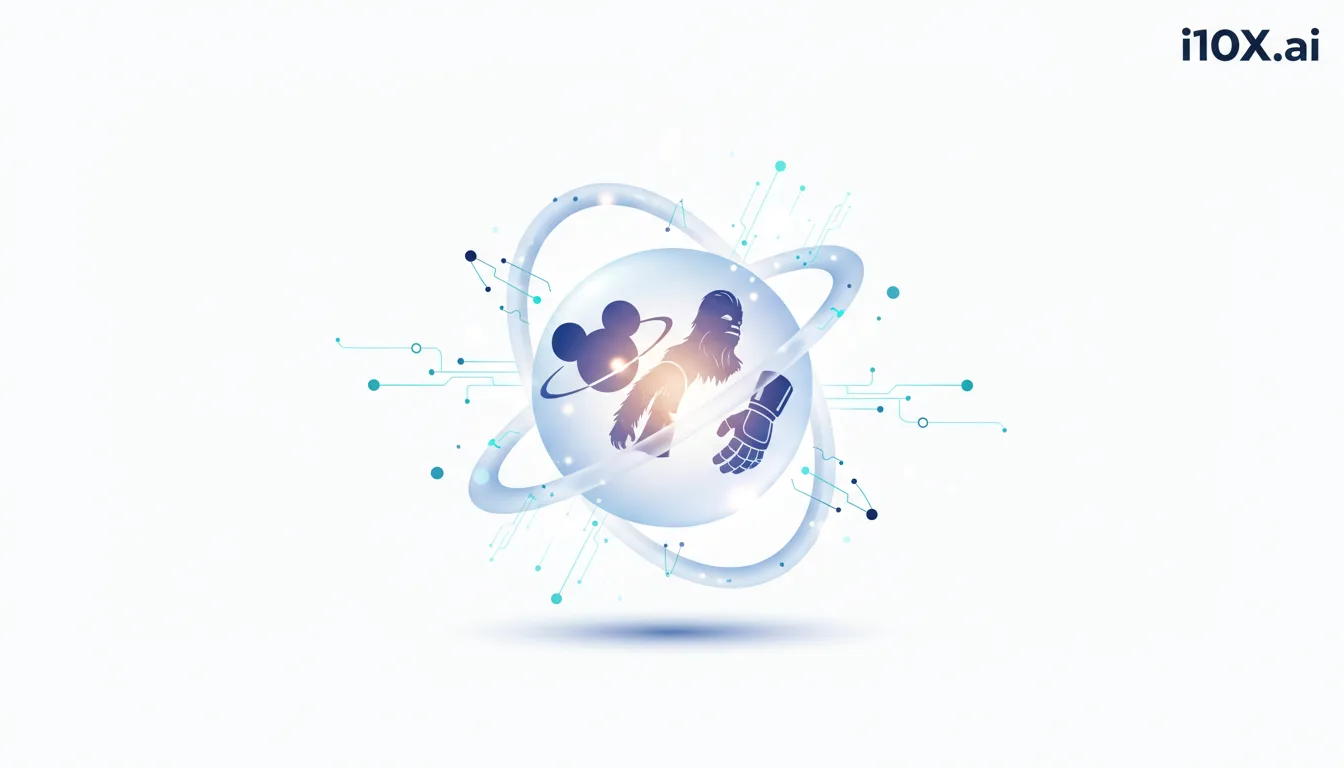
At its heart, the deal carves out this “walled garden” for intellectual property—simple as that, yet profoundly clever. Legally speaking, it’s drawing a neat line between a character’s essence, say Chewbacca’s fuzz or Iron Man’s armor, and the human talent that voiced or portrayed them. Licensing over 200 non-human figures while steering clear of actor likenesses and voices lets Disney dodge the hot-button debate over digital doubles that’s got guilds up in arms. From OpenAI’s view, it’s a boon for keeping things clean and kid-friendly in Sora, cutting down on any nightmare scenarios that could tank their rep. Creators get some breathing room here, sure—but it’s all within lines Disney’s drawn to protect the magic.
And this goes deeper than just handing over licenses; it’s Disney rethinking how it runs the show. That billion-dollar check? It’s not a handout—it’s an investment in tomorrow’s toolkit. The partnership folds in OpenAI’s APIs and business-grade tools right into Disney’s operations company-wide. We’re talking AI boosting animation pipelines, dreaming up theme park layouts, sharpening marketing, or even personalizing fan moments. The Sora spotlight for users is just the visible edge; the bigger shake-up might unfold quietly inside, as this creative behemoth rebuilds around smarter systems.
The “limited exclusivity” bit—details are fuzzy publicly, but it’s key—likely gives OpenAI a running start with Disney’s assets that others can’t touch right away. Suddenly, content stops being a lawsuit magnet and starts acting like a secret weapon. With Google, Meta, and a swarm of startups nipping at the heels in AI video, OpenAI’s snagged an irreplaceable treasure trove of storytelling gold. Competitors are cornered: strike their own mega-deals or settle for slick tech that’s missing that cultural spark. The race? It’s evolved—beyond raw smarts into who commands the richest narratives.
Stakeholders & Impact
| Stakeholder / Aspect | Impact | Insight |
|---|---|---|
| OpenAI & Competitors | High | OpenAI locks in a sturdy content advantage, plus that feel-good brand shield. Rivals like Google, Meta, and Runway now face real urgency to land their own high-end IP pacts just to stay in the mix. |
| Media & IP Holders | High | This “equity-plus-licensing” setup emerges as the go-to for AI dealings, offering a clear way to cash in on old vaults of content without losing the reins. |
| Creators & Marketers | Medium–High | It opens fresh paths for imagination in a bounded play area, though plenty of questions linger around owning what users make and how tight those safety nets really pull. |
| Performer Guilds (e.g., SAG-AFTRA) | Significant | Excluding likenesses and voices outright? That’s a solid win, paving the way for deals that keep character rights distinct from personal ones in AI contexts. |
| Consumers & Fans | Medium | Expect Disney-flavored AI clips popping up on feeds or maybe streaming on Disney+—but the real question is, will they spark joy or just echo what’s already out there? |
About the analysis
Researched and written with AI assistance under the editorial responsibility of the i10X News team. The title image is an AI-generated illustration. Read our AI Use Policy. Spotted an error? Request a correction.
This i10x analysis draws from independent takes on the official word from Disney and OpenAI, plus coverage and legal breakdowns from spots like Axios, TechCrunch, and Adams & Reese. It’s geared toward tech execs, planners, and makers who want a clear-eyed look at how big AI alliances are reshaping the landscape.
i10x Perspective
From where I sit, this alliance kicks off AI’s next chapter: swapping wild, open data hunts for tight, paywalled worlds full of opportunity. The “equity-for-IP” formula? It’ll likely rule the roost, redefining what makes an AI platform tick—not only its brains, but the locked-down stories it can tell.
Still, there’s this nagging pull: will these enclosures spark bolder ideas or just box them in? They bring the stability and rules that corporations and everyday users crave for jumping in, yet they could hand too much say to a handful of media-AI power pairs. Over the coming years, we’ll see if AI creativity blooms wide or settles into polished, but perhaps a bit too contained, realms.