In a pivotal moment for the AI industry, a federal judge has rejected OpenAI’s bid to dismiss Elon Musk’s lawsuit, setting the stage for a high-stakes trial that will legally scrutinize the soul of the world’s most influential AI company. The case moves beyond a public feud, forcing a legal reckoning over OpenAI’s transformation from a non-profit mission to a commercial powerhouse partnered with Microsoft.
Quick Take
- Summary: A federal judge has indicated that Elon Musk’s lawsuit against OpenAI, CEO Sam Altman, and its co-founders will proceed to trial, denying the defendants’ motion for an early dismissal. The lawsuit alleges that OpenAI betrayed its founding non-profit agreement to develop AI for the benefit of humanity by pursuing a closed, for-profit model with its exclusive partner, Microsoft.
- What happened: Picture this—in an Oakland federal court, Judge Yvonne Gonzalez Rogers signaled that the case has sufficient merit to move forward. This clears the path for the discovery phase and a potential jury trial, forcing OpenAI to defend its capped-profit structure and its relationship with Microsoft in a public legal forum. It’s the kind of ruling that keeps everyone on their toes.
- Why it matters now: Ever wonder if the way we build AI today could unravel under legal scrutiny? This legal battle puts the foundational governance model of the AI industry on trial. The outcome could have profound implications for OpenAI’s ability to operate, its licensing agreements for models like GPT-4, and the very definition of building AGI “safely” and “for humanity” in a hyper-competitive market. Plenty of reasons to watch closely, really.
- Who is most affected: OpenAI and Microsoft face direct legal and reputational risk, as their deep partnership is at the heart of the dispute. Developers and enterprises that have built products on the OpenAI platform now face a new layer of long-term uncertainty about the stability and terms of the technology they depend on—that nagging doubt about what comes next.
- The under-reported angle: Most coverage focuses on the personalities of Musk and Altman. But here’s the thing: the real story is a fundamental stress test of AI governance. This case forces the legal system to grapple with opaque corporate structures like “capped-profits” and will likely unearth critical details about the trade-offs OpenAI made between its original mission and the immense capital required to compete in the AI race. It’s a reminder that behind the headlines, there’s so much more at stake.
Deep Dive
Have you ever thought about how a single lawsuit could upend the entire direction of artificial intelligence? At its core, Elon Musk’s lawsuit is a battle over the ideological and operational trajectory of artificial intelligence itself. Musk, an original co-founder, argues that OpenAI’s 2015 incorporation as a non-profit research lab—dedicated to creating open, safe AGI for humanity—was a binding contract. He alleges this agreement was broken when the organization transitioned to a “capped-profit” entity, developed closed-source models like GPT-4, and formed an exclusive, multi-billion-dollar partnership with Microsoft. This procedural green light from the court transforms a philosophical debate into a legal challenge with the power to reshape the AI landscape. From what I’ve seen in similar tech disputes, these kinds of pivots don’t come without consequences.
The defense from OpenAI and its leadership has consistently been one of pragmatism. Building generative models at the cutting edge requires computational resources on a scale that a traditional non-profit could never afford. The move to a capped-profit structure, they argue, was the only viable path to attract the necessary capital—primarily from Microsoft—to continue the mission. The court will now be forced to weigh whether this pivot was a necessary evolution or a fundamental breach of fiduciary duty. This isn’t just business; it’s a referendum on whether a mission to benefit “all of humanity” can survive contact with commercial market pressures—tread carefully here, as the balance is delicate.
For the wider AI ecosystem, the implications extend far beyond the courtroom drama. A key tension highlighted by competitor coverage is the role of Microsoft. The tech giant isn’t just an investor; its deep integration of OpenAI’s models into Azure and its product suite makes it a co-dependent partner. A ruling that forces changes to OpenAI’s structure or licensing could create systemic risk for the thousands of businesses and developers who have built on the assumption of a stable OpenAI-Microsoft axis. The lawsuit effectively places a legal question mark over the operating system of the current AI boom, and that uncertainty lingers like a shadow.
Ultimately, the case exposes a critical gap in AI governance that the market has so far ignored. While outlets like Courthouse News focus on legal procedure and Business Insider on the executive showdown, the real missing piece is the precedent this will set. The trial, and particularly the discovery process, could force unprecedented transparency on the internal decision-making, safety trade-offs, and financial engineering behind the world’s leading AI lab. This fight may have been started by Elon Musk, but its resolution will define the rules of engagement for every major AI player—from Anthropic’s public-benefit corporation structure to Google’s integrated corporate labs—for years to come. It’s the sort of moment that makes you pause and reflect on where we’re headed.
Stakeholders & Impact
| Stakeholder / Aspect | Impact | Insight |
|---|---|---|
| AI Providers (OpenAI, Anthropic) | High | Sets a legal precedent for AI lab governance. A win for Musk could chill non-profit to for-profit transitions and put OpenAI’s entire operating model, including its leadership and board structure, at risk. |
| Microsoft | Very High | Its exclusive licensing rights and multi-billion dollar investment are central to the lawsuit. Any court-ordered change to OpenAI’s structure could disrupt Microsoft’s entire AI strategy and its competitive position in the cloud wars. |
| Developers & Enterprises | Medium | Introduces long-term uncertainty. While immediate service is unaffected, a trial raises questions about future model licensing, API stability, and the legal foundation of the platform many businesses now rely on. |
| Regulators & Policy | Significant | The trial will act as a fact-finding mission. Evidence and testimony about OpenAI’s mission, safety protocols, and commercial agreements will provide invaluable material for policymakers crafting future AI regulation. |
About the analysis
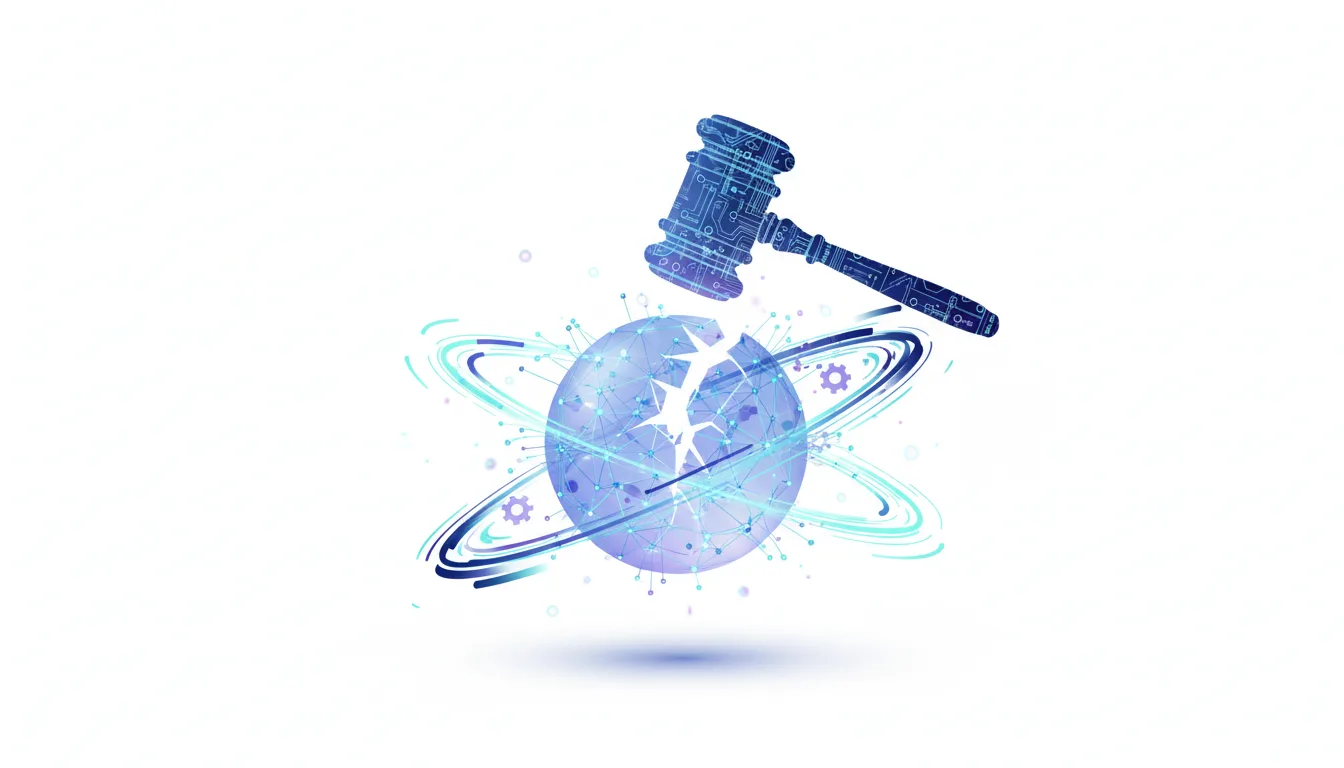
Researched and written with AI assistance under the editorial responsibility of the i10X News team. The title image is an AI-generated illustration. Read our AI Use Policy. Spotted an error? Request a correction.
This is an independent i10x analysis based on a synthesis of breaking news reports, court-focused coverage, and industry-specific context. By cross-referencing legal arguments with business implications, this piece is designed to give developers, enterprise leaders, and AI strategists a clear view of the structural risks and opportunities this lawsuit creates for the entire intelligence ecosystem. I’ve pulled it together from various angles to make sense of the bigger picture, as these stories can get tangled quickly.
i10x Perspective
What if this lawsuit ends up drawing a line in the sand for how AI companies balance ideals with reality? This lawsuit is more than a legal dispute; it’s the first major attempt to legally define the “soul” of an artificial intelligence company. It forces a question the industry has avoided: can an entity promising to build god-like technology for “humanity’s benefit” also function as a kingmaker in a winner-take-all commercial market? That said, the tensions here run deep.
The most significant outcome may not even be the final verdict, but the discovery process itself. The secrets of the OpenAI-Microsoft partnership, once exposed, could permanently alter the competitive dynamics between Big Tech and AI labs. We are past the point of mission statements; the market is now watching to see if the legal system can enforce them. It’s a pivotal watch-and-wait moment, one that could echo through the field for quite some time.