Have you ever wrestled with feeding an AI the full picture of your codebase, only for it to miss the forest for the trees? Google’s just unveiled Conductor, a preview extension for its Gemini CLI, tackling that exact frustration head-on in AI-assisted coding. It’s a smart push to weave Gemini right into developers’ daily routines, taking on the IDE stronghold of players like GitHub Copilot.
Quick Take
- Summary: Google launched Conductor, a powerful extension for the Gemini command-line interface (CLI). It enables developers to feed entire directories, file sets, and project graphs into Gemini models and automate complex tasks using YAML-based “recipes.” This shifts AI-assisted development from single-file suggestions to multi-file analysis and orchestration directly from the terminal—something I’ve noticed can really streamline those sprawling projects.
- What happened: In preview, the Conductor extension gives the Gemini CLI two superpowers: intelligent context assembly and repeatable task automation. Instead of manually copy-pasting code – a real time-suck, if you ask me – developers can point Conductor at their codebase using glob patterns and configuration files. It then gathers the relevant context for the LLM and can execute predefined workflows, like generating documentation or refactoring code, against that context.
- Why it matters now: This feels like Google’s calculated step to win over the “power developer” glued to the command line. While competitors like GitHub Copilot and Sourcegraph Cody lean hard into IDE integration, Conductor goes for a reproducible, scriptable, and pipeline-friendly vibe. That said, it hints at the next wave for AI tools: moving past casual chats to structured, automated setups that stick around.
- Who is most affected: CLI-first developers, DevOps/SRE teams, and platform engineers stand to gain big here – a fresh tool for slipping LLMs into shell scripts and CI/CD pipelines. It also ramps up the heat on current AI coding assistants to match that with more robust, scriptable options beyond their GUI-heavy interactions.
- The under-reported angle: Coverage so far treats this like just another shiny feature, but let’s be real – it’s staking out territory in the terminal-versus-IDE showdown. Conductor bets that for those big, repeatable jobs (think audits, massive refactors, CI checks), the clear-cut, scriptable edge of a CLI will edge out the more fluid, but fleeting, IDE agent experience. Plenty to ponder there, especially as workflows evolve.
Deep Dive
Ever wonder why AI feels so hit-or-miss when you’re knee-deep in a complex project? Google’s drop of the Gemini Conductor extension goes beyond being yet another dev gadget; it’s a clear signal on weaving AI into the full software development cycle. Conductor zeros in on that core blind spot in most LLM chats: zeroing in on context. These models pack a punch, sure, but they’re stuck peering through a narrow lens. Conductor steps in like a sharp pair of specs, piecing together a solid, project-spanning view from scattered files and folders – letting Gemini chew on the whole codebase, not just random bits.
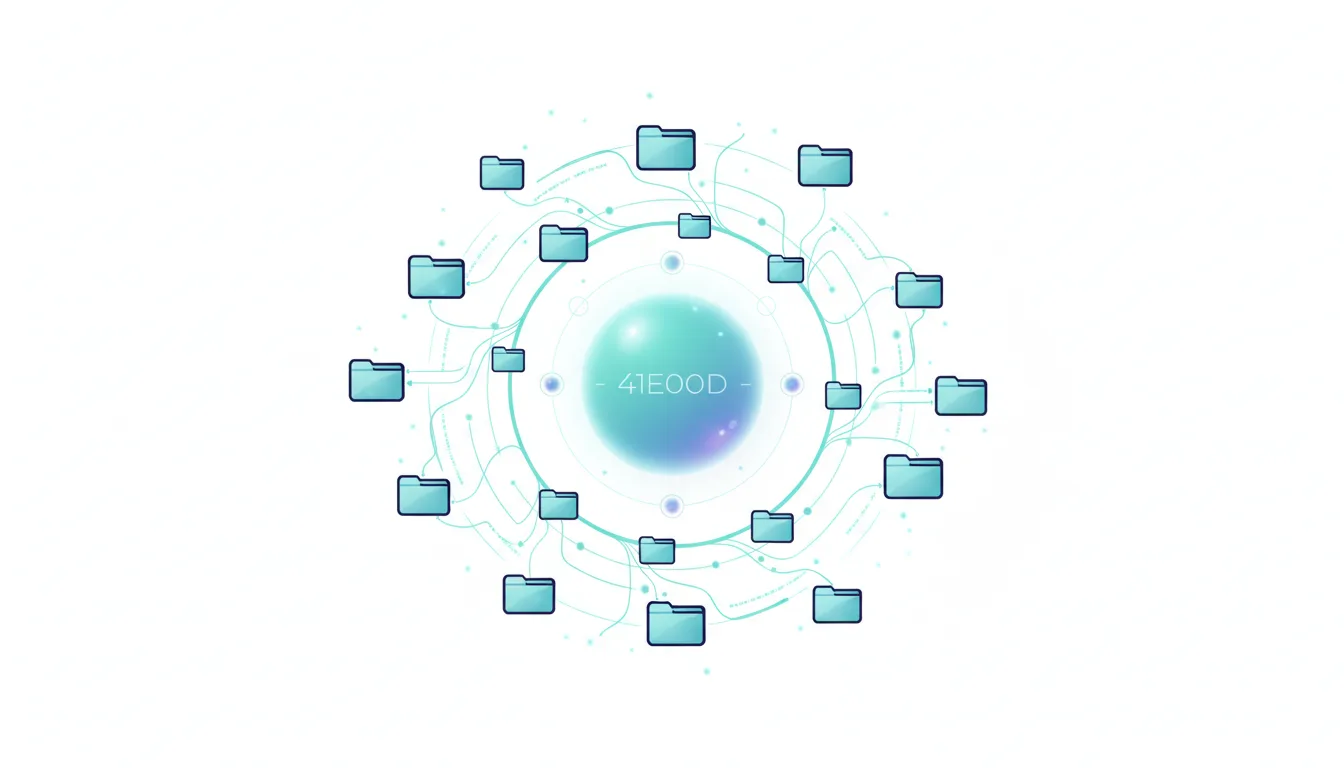
What really powers the tool boils down to two standout bits. First up, intelligent context assembly. You can tweak .conductor config files and CLI flags to pick and choose repo sections – glob patterns, straight-up paths, whatever works. From there, it crafts a project graph, juggling the context window and token limits before firing it off to the Gemini API. This nixes the endless hassle of hand-picking and pasting code into prompts, which, from what I’ve seen, trips up even seasoned folks more often than not.
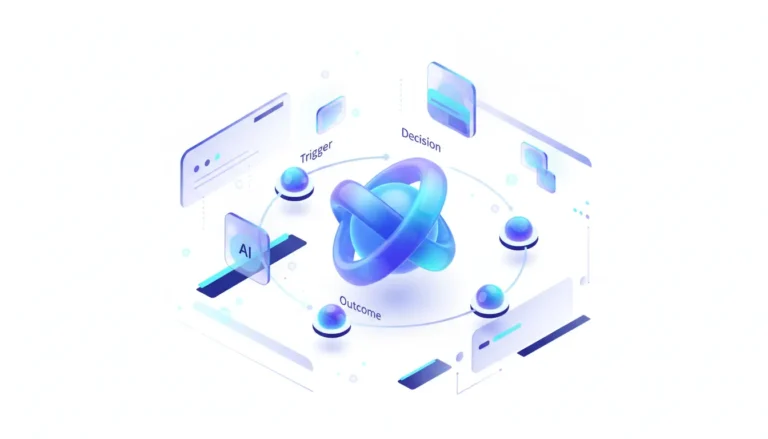
Then there’s the second pillar: recipe-driven automation. Conductor rolls out a YAML schema for crafting reusable workflows – think chaining prompts, applying them to your context, and handling multi-step flows. Picture scripting a recipe to “generate a full test suite for this new component”; Conductor snags the right files, hands them to Gemini with spot-on guidance, and spits out the code. It flips the AI from chat buddy to reliable, plug-and-play engine, ideal for CI/CD pipelines or Git hooks – tasks that need that steady, no-fuss reliability.
By leaning this way, Google’s staking its claim in the CLI-first AI agent scene, stirring up some intriguing friction with the IDE-heavy crowd behind GitHub Copilot Agents and Sourcegraph’s Cody. Those shine at on-the-fly stuff like completions or quick tweaks, but Conductor? It’s geared for the big-picture, repeatable gigs. We’re talking automating security sweeps over 50 microservices or syncing docs across a monorepo – jobs where the command line’s precision and scriptability really pay off. Not about ditching the IDE, mind you; more like pairing it with heavy-lifting smarts for those scale-up moments.
Stakeholders & Impact
| Stakeholder / Aspect | Impact | Insight |
|---|---|---|
| AI / LLM Providers | High | Google picks up a strong, dev-focused way to push Gemini into backend and automation flows – places where keeping things repeatable matters most, from my vantage. |
| Dev Tooling Ecosystem | Significant | This nudges IDE-based AI agents (like Copilot or Cody) toward beefier CLI and automation options. Might split the field between chatty, interactive tools and these more orchestrated ones – worth watching. |
| Developers & SREs | High | Opens doors to fresh workflows for deep code dives, auto-refactors, and AI-boosted CI/CD. It clicks with power users who’d take scripts over screens any day, easing those marathon sessions. |
| Enterprises | Medium | Hands a route to uniform AI tasks through shareable “recipes,” but rolling it out big-time hinges on tackling governance, security, and tracking issues head-on. |
About the analysis
Researched and written with AI assistance under the editorial responsibility of the i10X News team. The title image is an AI-generated illustration. Read our AI Use Policy. Spotted an error? Request a correction.
This piece pulls together an independent i10x take from Google’s docs, the GitHub repo, and initial buzz in the news. I aimed it at developers, engineering leads, and CTOs sizing up how these rising AI tools are shaking up dev lifecycles and the rivalries shaping them – all in a way that feels practical, not pie-in-the-sky.
i10x Perspective
What strikes me about Gemini Conductor is how it marks the shift in the AI dev tools battle – away from raw model showdowns and into the gritty world of fitting into real workflows. Google’s wagering that for those game-changing engineering chores, the command line’s structured, redoable, trackable setup will claim the top spot in practical AI use. It pokes holes in the idea that IDEs own the AI space entirely. The big question hanging out there? Will devs warm to a split setup – lively AI in the IDE, scripted smarts in the terminal – or will one side just swallow the other whole?