Gemini Task Automation Beta on Samsung — Agentic AI on Android
⚡ Quick Take
Google’s rollout of “Gemini Task Automation” feels like more than just another feature tweak for Galaxy phones- it’s like catching the first real glimpse of how user interfaces might evolve, from those helpful but hands-off assistants to AI that steps in and gets things done on its own. Sure, this beta version has its limits right now, but it hints at a world where large language models aren’t waiting around for instructions- they’re taking the wheel, which raises some big questions about trust, security, and just how much control we want to hand over to the operating system.
Summary:
From what I’ve gathered, Google is testing out Gemini Task Automation in a limited beta specifically for Samsung Galaxy S26 devices. What sets it apart is how it lets the Gemini AI handle multi-step tasks across various apps, all sparked by one simple prompt from the user- it’s a step up from the more rigid, pre-set options like Google Assistant Routines or Samsung’s Bixby, you know?
What happened:
Picture this: instead of sticking to quick answers or one-off commands, Gemini now pulls together these intricate sequences. Take something everyday, like saying, “Find a photo of my dog, crop it square, and send it to my mom via WhatsApp”- and boom, the AI hops between Photos, the Gallery app, and your messaging setup to wrap it up, barely needing any extra nudges from you.
Why it matters now:
Have you ever wondered when AI would stop being a sidekick and start calling the shots on your phone? This is that moment- the debut of “agentic” AI on a device millions use daily. As these language models get cheaper and more common, the real edge comes from what they can actually accomplish in the real world. Google’s playing a smart game here, weaving Gemini deeper into the Android fabric, which puts real pressure on things like Apple’s Shortcuts or Samsung’s own Bixby tweaks.
Who is most affected:
Power users on Android and folks building apps are feeling this first- they’ve got this shiny new tool for streamlining life, but it also stirs up fresh headaches around complexity. Samsung’s right in the mix too, watching Gemini muscle in on Bixby’s turf aboard their top-end gear. And down the line, it shakes things up for Apple, forcing them to rethink how their own AI plays in the automation space.
The under-reported angle:
A lot of the buzz zeroes in on the nuts-and-bolts of how to use it or stacks it against older routines, but that’s missing the forest for the trees. The real story? It’s all about the security and privacy tightrope. To let an AI roam free across apps, you’re talking deep access into the OS- probably through Accessibility Services, which has long been a hotspot for potential exploits, sensitive as it gets. Google’s not just chasing smooth automation; they’ve got to show us it’s locked down tight, with ways to check the logs and pull the plug anytime- that’s the trust factor that’ll make or break it.
🧠 Deep Dive
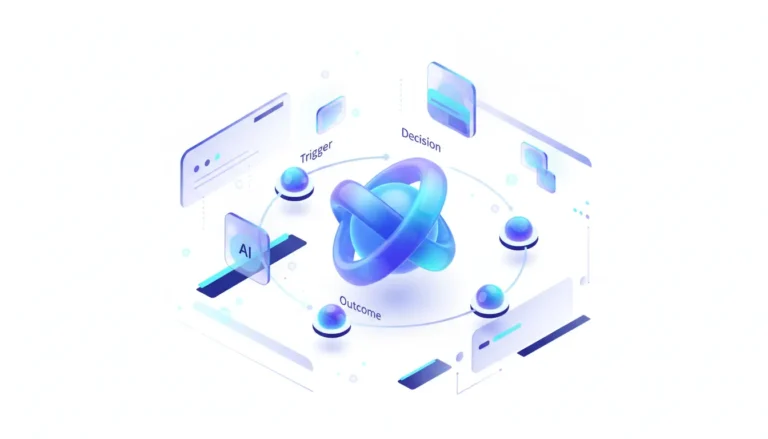
Ever thought about your phone’s AI shifting from chatty helper to something more like a behind-the-scenes fixer? That’s exactly what’s brewing with this Gemini Task Automation beta on Samsung devices- our first peek at an “agentic” setup where the AI doesn’t just talk a good game but rolls up its sleeves and acts. It’s a far cry from the locked-in paths of Google Assistant or Bixby Routines; instead, Gemini uses its smarts to link up actions on the fly across apps, tweaking as it goes to match what you really meant. Tech reviewers and even Google’s own AI blog are nodding along, calling this a deliberate pivot from mere assistance to full-on agency.
That said, digging into user feedback from spots like 9to5Google and XDA-Developers paints a less polished picture- the kind of real-world friction that comes with big changes. People seem a bit lost on when to tap Gemini over the familiar Bixby or third-party apps like Tasker, and honestly, the beta’s hit-or-miss right now. It leaves this noticeable divide between the slick demos and what plays out in your pocket day to day. What’s jumping out from those early takes? It’s not about raw capability falling short- plenty of power there, really- but more about nailing down reliability and sorting out a straightforward way to pick the best tool for whatever task is at hand.
And here’s the thing that keeps me up at night, security-wise: this whole push demands a rethink of how devices lock things down. To weave through apps like that, Gemini’s likely leaning on Android’s Accessibility Services- you know, the ones experts have flagged for years as risky, since they let apps peek at your screen and mimic inputs anywhere. Google’s staking a lot on their “privacy by design” approach and those built-in controls holding firm against bad actors. But for agentic AI to stick, they need to deliver clear audit trails and easy ways for us to hit pause on permissions- something a quick scan of the coverage shows isn’t getting the spotlight it deserves.
From a strategy angle, this feels like Google’s all-out push across the AI landscape. They’re gunning straight for Apple’s polished Shortcuts with something more fluid, powered by LLM brains. Within Android, it’s a bold claim to the throne, shoving Gemini into the spotlight even on Samsung’s turf and maybe sidelining Bixby in the process. Plus, it’s a nudge toward Gemini Advanced subscriptions, where the trickiest automations will probably live- tying real value to the paid side. This isn’t some isolated update; it’s laying the groundwork for an OS where AI calls the tune, orchestrating everything from the center.
📊 Stakeholders & Impact
| Stakeholder / Aspect | Impact | Insight |
|---|---|---|
| Google (Gemini) | High | This locks in Gemini as that essential “agentic layer” across Android, building a real barrier to entry and opening doors for pushing Gemini Advanced- a smart upsell play. |
| Samsung | High | It’s a tricky “co-opetition” dynamic right on their own devices, pushing them to figure out Bixby’s next act and how to stand out in automation. |
| Apple | Medium | Here’s a genuine LLM-driven rival to Shortcuts landing in the wild- time for Apple to weave their generative AI tighter into the mix. |
| App Developers | Significant | AI agents like this could flip app interfaces on their head, either fading them out or sparking huge wins for those who build solid APIs and intents for seamless AI handoffs. |
| End Users | High | We’re talking a big boost in getting stuff done effortlessly, but- and it’s a big but- with a learning curve that bites and fresh duties around guarding your privacy settings. |
✍️ About the analysis
Researched and written with AI assistance under the editorial responsibility of the i10X News team. The title image is an AI-generated illustration. Read our AI Use Policy. Spotted an error? Request a correction.
This piece draws from an independent i10x breakdown, pulling together official announcements from the companies, practical tests shared in top tech outlets, and insights from pros on AI agents plus mobile security. It’s geared toward developers, product leads, and strategy minds who want the lowdown on how these shifts in architecture and competition are reshaping personal AI down the road.
🔭 i10x Perspective
What if the mobile OS of tomorrow ditches the app grid for a chat that pulls all the strings? Gemini’s dive into task automation is the strongest hint yet that we’re heading there- and this beta isn’t only stress-testing the tech; it’s probing how much control we’re willing to share.
I’ve noticed how the real battle ahead, over the next five years or so, won’t hinge on which AI spins the cleverest story but on which one we trust to hold the reins of our online world. That tension runs deep: real independence needs ongoing, broad access, yet solid security calls for tight, short-lived gates. Google’s wagering they can thread that needle, but everyone’s eyes are on whether the ease of it all outweighs the gamble.