Google Gemini Live Update: Natural Voice and Low Latency
⚡ Quick Take
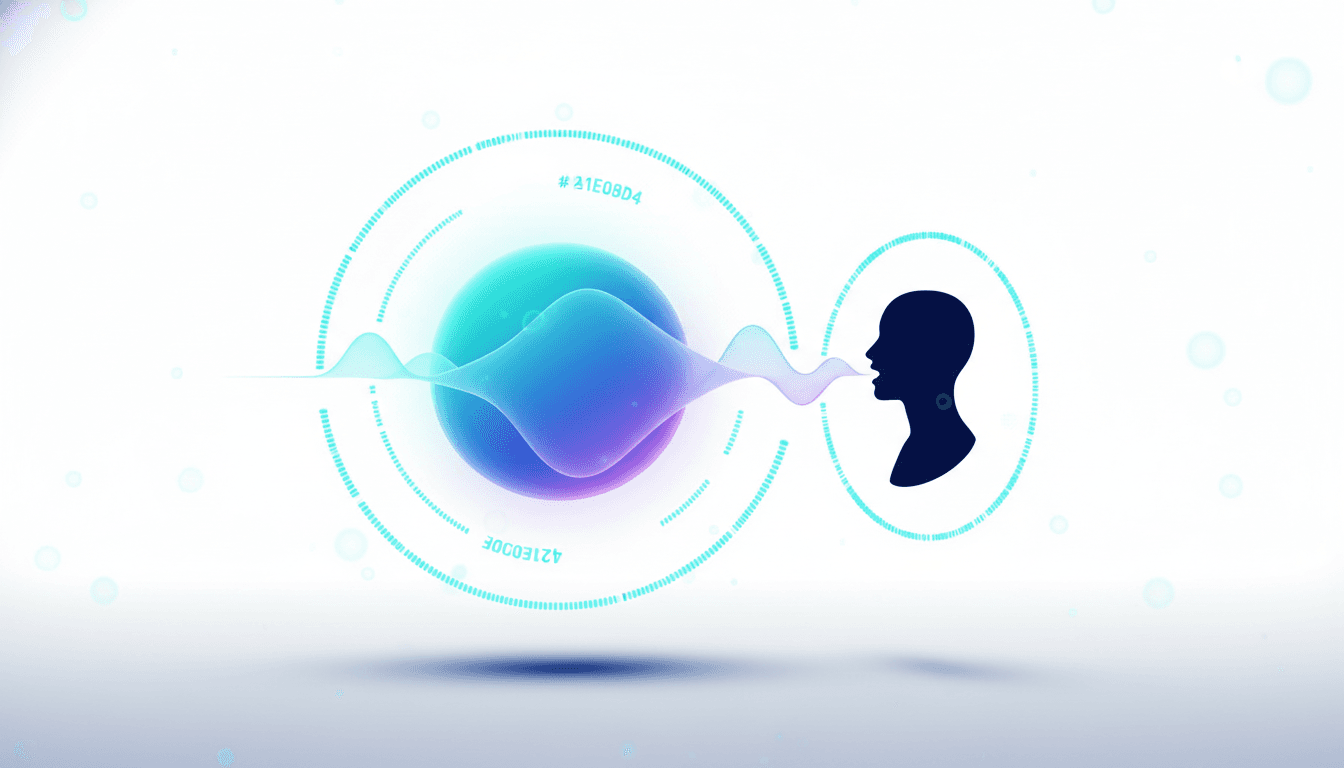
Have you ever chatted with an AI and wished it could keep up with your thoughts without those frustrating lags? Google has rolled out a significant update to Gemini Live, its real-time conversational AI, focusing on more natural, expressive speech and user-controlled pacing. But this isn't just a cosmetic voice lift; it's an infrastructure play, powered by a new native audio model designed to slash latency and directly challenge competitors like OpenAI's ChatGPT Voice on the last mile of human-computer interaction: natural, interruptible conversation.
Summary: Google is upgrading Gemini Live on Android and iOS with more expressive voices, speed controls, and language practice features. This consumer-facing update is underpinned by a new developer model in the Gemini Live API (gemini-2.5-flash-native-audio-preview) that leverages native audio output to improve latency and function calling. From what I've seen in these kinds of rollouts, it's the kind of tweak that quietly builds a real edge.
What happened: Google released a dual-track update. For consumers, the Gemini app now offers more "human-like" voice interactions. For developers, the underlying Live API received a new preview model that specifically targets performance bottlenecks like speech cutoff and latency, critical for building reliable voice-first apps. That said, it's these backend shifts that often make the front-end magic possible.
Why it matters now: The race for AI assistant supremacy is moving from text-based chatbots to real-time, low-latency voice conversations. By optimizing its end-to-end stack - from the new native audio model down to the mobile OS - Google is attempting to create a moat based on conversational fluidity, a key weakness in many current AI voice systems. And honestly, in a world rushing toward voice everywhere, that's no small thing.
Who is most affected: Developers building on the Gemini Live API get a more stable and performant platform. End users get a more pleasant and useful assistant. Competitors like OpenAI and Apple face increased pressure to match the latency and naturalness of Google's voice interactions. Plenty of ripple effects there, really.
The under-reported angle: Most coverage separates the consumer feature rollout from the technical API changelog. The real story is how they are connected. The new developer model, with its "native audio" architecture, isn't an afterthought; it is the engine making the consumer-facing improvements possible and signals Google’s strategy to win the voice AI war with superior infrastructure. It's like they're threading the needle between user delight and dev reliability.
🧠 Deep Dive
Ever wonder what it takes to make an AI feel less like a machine and more like a conversation partner? Google’s latest move with Gemini Live is a classic pincer movement, advancing on both consumer-facing features and the underlying developer infrastructure. On the surface, users get a more polished experience: the AI's voice is now more "expressive," less robotic, and can be sped up or slowed down. New use cases like interactive language practice and role-playing are being promoted, moving the assistant from a simple Q&A tool to a conversational partner. I've noticed how these small adjustments - the ones that let you control the pace, say - can transform everyday interactions.
The real strategic insight, however, lies in the developer changelog. The release of gemini-2.5-flash-native-audio-preview-09-2025 is the technical heart of this update. The term "native audio" is key; it suggests processing is happening closer to the hardware, reducing the round-trip latency that makes AI conversations feel stilted. This focus on performance directly addresses a core pain point for both users and developers: the awkward pauses and inability to interrupt the AI naturally (known as "barge-in"). While competitors' voice features often feel like text-to-speech bolted onto a text model, Google is engineering for voice from the ground up - and that's weighing the upsides in a big way.
This update sharpens the competitive landscape, putting direct pressure on OpenAI's ChatGPT Voice and Apple's Siri. The battle is no longer just about the intelligence of the model, but the feel of the interaction. Latency, prosody, and turn-taking are the new benchmarks. While news reports focus on "human-like" delivery, the i10x analysis points to the cause: an optimized infrastructure stack designed to minimize the time between a user speaking and the AI responding intelligently. But here's the thing - it's not just faster; it's smoother, almost intuitive.
For the developer ecosystem, improved function calling and speech cutoff handling are critical. These enhancements signal that Google wants developers to build robust, voice-driven applications on its platform. A voice assistant that can reliably trigger other actions (book a table, query a database) without fumbling the conversation is a powerful platform for the next generation of ambient computing. This update is less about making Gemini a better chatbot and more about making it the core operating system for voice-native workflows - opening doors we might not even see yet.
📊 Stakeholders & Impact
Stakeholder / Aspect | Impact | Insight |
|---|---|---|
AI / LLM Providers | High | The bar for real-time voice interaction has been raised - and not by much, but enough to matter. This update pressures OpenAI, Apple, and Amazon to improve the latency, naturalness, and "barge-in" capabilities of their own voice assistants. The focus is shifting to end-to-end infrastructure optimization, which I've seen reshape entire markets before. |
Developers | High | The new Live API model offers a more stable platform for building voice-first applications. Improved speech cutoff handling and function calling reduces development friction and unlocks more complex, reliable voice-driven workflows - the kind that feel less like a hassle to implement. |
End Users | Medium–High | Gemini Live becomes a more practical tool for productivity (faster comprehension with speed control) and education (language practice). The improved naturalness reduces cognitive load and makes interactions more pleasant, almost like chatting with a colleague over coffee. |
Regulators & Policy | Low–Medium | While this update has minimal direct policy impact, the trend toward more natural, always-on conversational AI will inevitably raise future questions around data privacy, data retention for voice, and safety filters for real-time interactions - questions worth keeping an eye on as things evolve. |
✍️ About the analysis
This is an independent i10x analysis based on a synthesis of official Google release notes, developer documentation, and public news coverage - piecing it all together, really. It connects the technical API changes to the consumer-facing feature rollout to provide a complete picture for developers, product managers, and CTOs navigating the AI infrastructure landscape, and that's the angle I always aim for in these breakdowns.
🔭 i10x Perspective
What if the future of AI isn't in raw smarts, but in how effortlessly it fits into your day? This Gemini Live update is not just another feature drop; it's a declaration of where the human-AI interface is headed. Google is signaling that the next frontier isn't just smarter models, but models that can listen and speak within the flow of human conversation. The company is leveraging its full vertical stack - from custom silicon and data centers to the Android OS - to solve the physics problem of latency. From what I've observed, it's moves like this that turn potential into something tangible.
The unresolved tension is whether users will embrace an AI that's more deeply and seamlessly integrated into their daily spoken lives. As the line between human and AI conversation blurs, the winning platform will be the one that masters not only technology but also trust - tread carefully there. Watch this space: the race to own the ambient computing layer just went from a marathon to a sprint, and it's anyone's guess who pulls ahead first. This update signals that conversational fluidity — not just raw model capability — may be the decisive competitive advantage going forward.
Related News
LLM Medical Prognosis Limits: Why Models Fail Survival Forecasts
Benchmarks show LLMs excel at extracting data from records but struggle with calibrated long-term risk estimates. Discover why prediction drift blocks clinical use and how hybrid pipelines are emerging. Explore the guide.
Shadow AI Risks: Securing Developer Endpoints in LLM Workflows
Enterprises secure production AI but overlook Shadow AI risks from unvetted developer tools and personal LLM keys. Discover how AI Bills of Materials and full-lifecycle controls close the gap.
Grok for Startups: xAI Credit Program for Founders
xAI launches Grok for Startups with 6-12 months of unified credits for Grok, API, Build and Bot. Discover the 20/80 staged release to cut early burn rates and secure ecosystem access.