Google Gemini's 2025 Search Revolution
⚡ Quick Take
Google’s aggressive, multi-pronged integration of Gemini into its core search engine throughout 2025 has successfully manufactured a new global search trend: "Gemini" itself. This signals a permanent shift from a web of links to a proprietary, synthesized intelligence layer, forcing users, developers, and competitors to adapt to a new reality of information discovery.
Summary
From what I've seen in the rollout patterns, an analysis of Google's 2025 product launches shows that the spike in searches for "Gemini" wasn't purely grassroots curiosity — it stemmed straight from the company's push to flood its platform with fresh AI tools, like AI Mode, Deep Search, and the agentic Deep Research feature. This all-out strategy sparked widespread interest, and yeah, a bit of head-scratching too, which in turn boosted those search trend numbers.
What happened
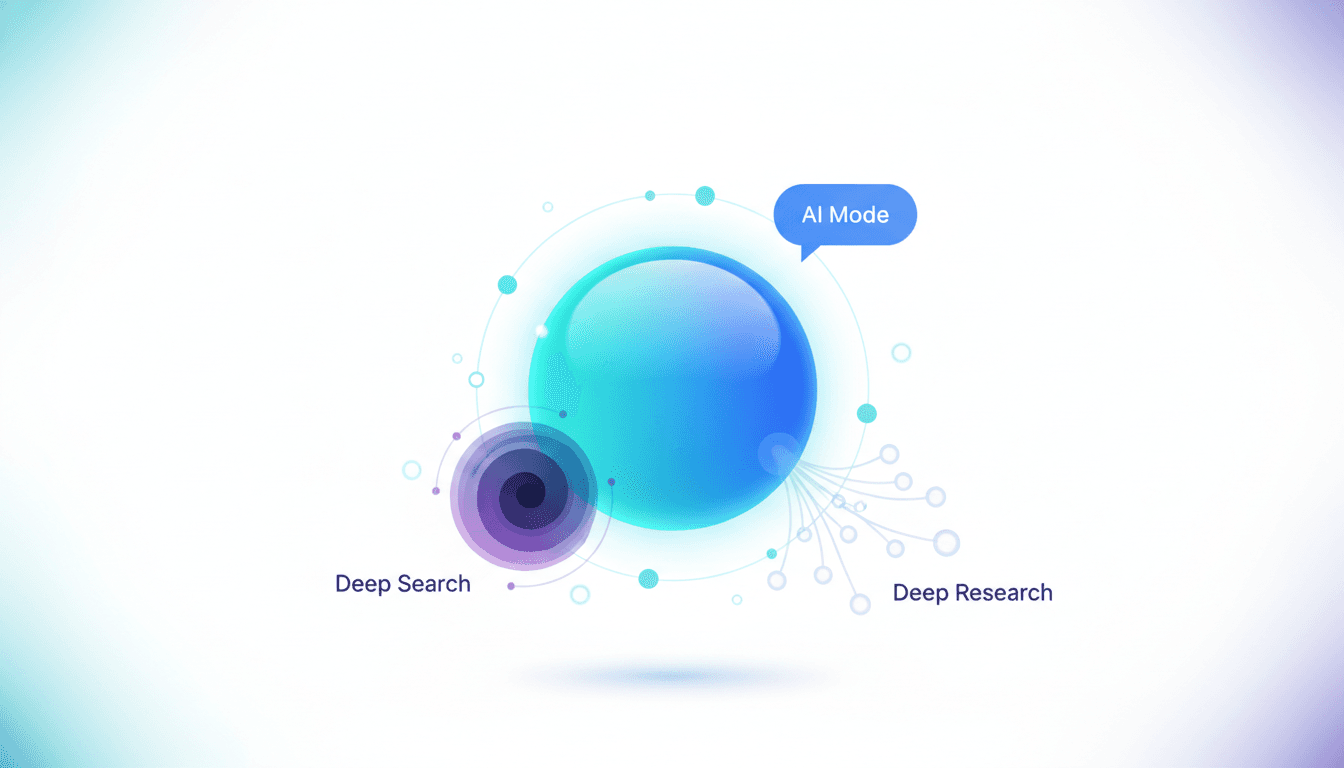
Over the course of 2025, Google rolled out these Gemini-powered search upgrades in phases, keeping things deliberate. They went big with "AI Mode" for those chatty, on-the-spot answers; locked "Deep Search" behind a subscription for tackling thornier questions; and then unleashed "Deep Research," which is basically an AI that roams the web on its own, pulling together insights from hundreds of sites.
Why it matters now
Have you wondered if the days of scrolling through those classic "10 blue links" are numbered? Well, they're fading fast, giving way to search that's baked with AI from the ground up. Google's playing its massive reach to the hilt here, turning search into something more like a back-and-forth conversation or even a smart agent at work. It's setting a fresh bar for the competition — think OpenAI, Microsoft's Copilot, or Perplexity — and shaking up how we all think about spotting content online, SEO included.
Who is most affected
Regular folks like us are stepping into a search world that's sharper but a tad more scattered, you know? Developers get these robust APIs tied to real search data, though they'll have to play within Google's sandbox. And for marketers or anyone crafting content, it's a real wake-up call — the game's changed from climbing search rankings to earning a spot in those AI-spun summaries.
The under-reported angle
That surge in "Gemini" searches from the public? It's telling us as much about folks fumbling to figure things out as it is about jumping on board. People are out there puzzling over the overlaps between Google's own tools — AI Mode, Deep Search, Deep Research — which points to a deliberate kind of splintering that's more about grabbing market share than keeping the experience straightforward and seamless.
🧠 Deep Dive
Ever catch yourself typing something into Google and getting way more than a list of links these days? Google's "Year in Search 2025" report is bound to spotlight "Gemini" as a breakout term, but let's not kid ourselves — this isn't some accidental fad. It's engineered, plain and simple, the byproduct of Google's full-year push to morph its search stronghold into an AI-driven brain trust. By weaving in this whole lineup of Gemini features right at the search bar, they weren't just meeting demands; they were shaping habits, and along the way, sparking a flood of "What even is Gemini?" questions.
It played out in layers, zeroed in on different crowds. For everyday searchers, "AI Mode" stepped up as the fresh front door to Search — think direct answers, pieced together with Gemini 3's knack for handling text, images, and all that multimodal jazz. Developers, on the other hand, got the Grounding with Google Search API tossed their way, letting them layer Gemini into apps with live, verified facts pulled straight from search. That's a smart foundational move, really, positioning Gemini as the go-to for any AI that needs to stay grounded in reality.
But the real curveball — and maybe the biggest splitter — showed up with "Deep Search" and "Deep Research." Deep Search, tucked away for Google AI Pro and Ultra folks, dives deeper into queries with sharper reasoning on knotty subjects. Then there's Deep Research, your virtual scout that zips across hundreds of sites to whip up a full report. Impressive stuff, no doubt, but this tiered setup — good, better, best — muddies the waters a bit. Users end up picking their search flavor on purpose, which feels miles from the effortless one-size-fits-all vibe Google built its empire on.
This whole barrage makes sense as Google's counterpunch to upstarts like ChatGPT or Perplexity, those AI-first search rivals nipping at its heels. Instead of backing down, they're cashing in on their killer edge: billions of us already hooked into their world. The aim? Flip the script so we treat search less like a link hunt and more like chatting with a savvy agent. For everyone else building on the web, it's earth-shaking — visibility isn't about nailing keywords anymore; it's about proving you're solid enough to weave into Gemini's big-picture take.
📊 Stakeholders & Impact
With Google's AI Search tools splintering like this, it's throwing a whole new set of choices at users and builders alike — almost like a menu you didn't ask for. This table breaks it down, highlighting what each piece is for and how it shakes things up.
Google AI Feature | Target User & Goal | Core Functionality | Impact on the AI Ecosystem |
|---|---|---|---|
AI Mode | General Users: Get quick, conversational answers. | Integrates multimodal, synthesized responses directly into the main search results. | Makes AI-generated answers the default experience, sidelining traditional organic results. |
Deep Search | Subscribers (AI Pro/Ultra): Conduct nuanced, complex research. | Deploys more advanced reasoning and explores topics with greater depth. | Establishes a premium tier for "power searching," monetizing advanced AI reasoning capacity. |
Deep Research | Knowledge Workers: Automate information gathering. | An autonomous agent that browses hundreds of websites to create a research summary. | Blurs the line between search engine and personal research assistant, competing with agentic AI platforms. |
Search Grounding (API) | Developers: Build factual, real-time AI apps. | Connects Gemini API calls to live Google Search data for grounded, cited responses. | Positions Google as the core infrastructure for reliable, third-party AI tools and services. |
✍️ About the analysis
I've pieced this together as an i10x independent breakdown, drawing from Google's official announcements, the nuts-and-bolts of their dev docs, and a close read on how users are actually searching these days. It's geared toward product heads, developers, and those plotting AI strategies who want the real story on how discovery's evolving — and what that means for tech at large.
🔭 i10x Perspective
Google's moved past just cataloging the web; now it's gunning to layer itself as the web's main thinking cap. Turning plain queries into full-on agent tasks? That's a platform pivot aimed at locking folks into its own blended, paywalled setup.
Sure, splitting up the AI lineup — AI Mode, Deep Search, Deep Research — could be testing the waters with different groups or paving the way for those subscription ladders. That said, it adds a layer of fuss that might push away the crowd that turned "Google" into everyday lingo. The real watchpoint isn't if they'll claim the AI crown, but if they can pull it off without ditching the clean simplicity that was their secret sauce. How that plays out could redefine the open web—and our paths to knowledge—for good.
Related News

Nano Banana 2.1: Google's 50% Cheaper AI Image Generation Model
Google's Nano Banana 2.1 slashes AI image API costs by 50% with 4K output, mask editing, and C2PA credentials. Discover the Gemini integration and migration timeline for developers. Explore the analysis.

Healthcare AI: Private GenAI Validation Meets Public DPI
The healthcare AI ecosystem splits between private GenAI output safety and public digital infrastructure governance. Learn how DPI sets the rules for safe LLM deployment in global health systems.

AI Agent Gateway: Securing Autonomous Enterprise AI
AI Agent Gateways provide centralized control for credentials, policy, and MCP/A2A traffic in autonomous AI systems. Discover how they replace hardcoded keys and protect enterprise infrastructure. Explore the analysis.