Google’s Gemini AI Agents: Vertex AI and the Rise of Agentic AI
⚡ Quick Take
Ever wonder if the real AI showdown isn’t about who has the flashiest model, but who can actually get agents out there doing the heavy lifting in the real world? Google seems to think so—they’re quietly reshaping the field by moving from raw smarts to the gritty work of building systems that run on their own. With Gemini powering the brains and Vertex AI handling the backbone, they’re paving a smooth path for these “AI Agents” to tackle tough jobs, throwing down the gauntlet to OpenAI’s Assistants and Microsoft’s Copilot setup. And let’s be clear, this goes way beyond chatty bots; it’s about unleashing a fresh breed of digital helpers that get things done.
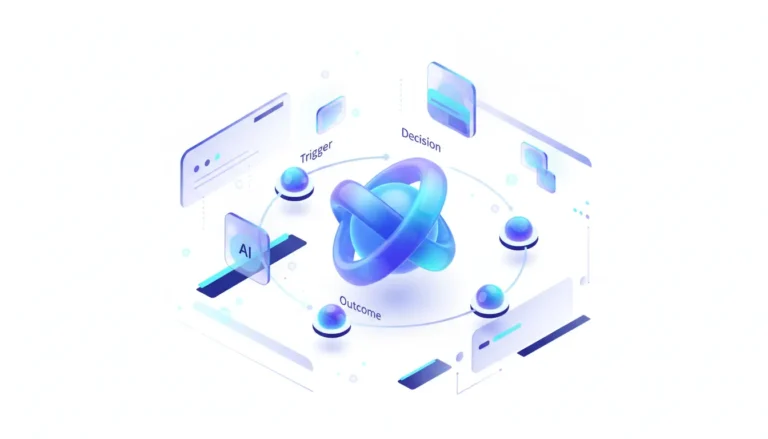
Gemini AI Agents is Google’s approach where models like Gemini don’t stop at quick answers—they sense what’s around them, think it through, map out plans, and jump into action using outside tools and APIs. This steps up from basic LLM interactions to handle those intricate, self-running processes, all backed by the solid Vertex AI Agent Builder for enterprise needs.
What happened
Over announcements at Google I/O and fresh docs, Google laid out their big-picture plan for agentic AI. That means Gemini models tuned for better tool handling and planning, plus Vertex AI Agent Builder to supply the framework for real-world grounding, security checks, monitoring, and rollout in live settings.
Why it matters now
The LLM scene’s growing up fast—shifting from endless benchmark battles to the nuts-and-bolts of crafting dependable apps. Google’s offering a one-stop stack for agent creation could hook developers and businesses tired of toy prototypes, pushing toward automation that counts, and turning the dev world into the hot new battleground.
Who is most affected
Think enterprise developers, architects piecing solutions together, and product leads steering the ship—they’re getting powerful tools to craft smarter apps, but now they’ve got to wrestle with keeping agents steady, governing their moves, and watching the budget. Rivals like OpenAI, Anthropic, and Microsoft? They’re in the ring too, forced to fight not just on brainpower but on how well their agent kits stack up.
The under-reported angle
Sure, the flashy demos show agents nailing flight bookings or sorting returns like pros, but the bigger tale’s in the tangle of ops behind the curtain. Folks are overlooking this budding field of “Agent Reliability Engineering”—you know, the tricks for testing, tracking, fixing, and safeguarding these unpredictable setups at big scale. Google’s emphasis on observability and grounding in Vertex AI? That’s them nodding to this tough, wide-open problem head-on.
🧠 Deep Dive
Have you caught yourself pondering how AI might evolve from just chatting back at us to actually stepping in and handling the workflow chaos? Google’s drive with “Gemini AI Agents” feels like that turning point—it’s less a lone product and more a whole mindset shift in working with large language models. Picture this: agents caught in an endless cycle of spotting details, mulling them over, and acting on them. They draw on Gemini’s smarts to chart out those multi-part jobs, tap into external bits like APIs or databases through function calls, and hold onto context with memory features—a real jump from the forgetful chats we started with.
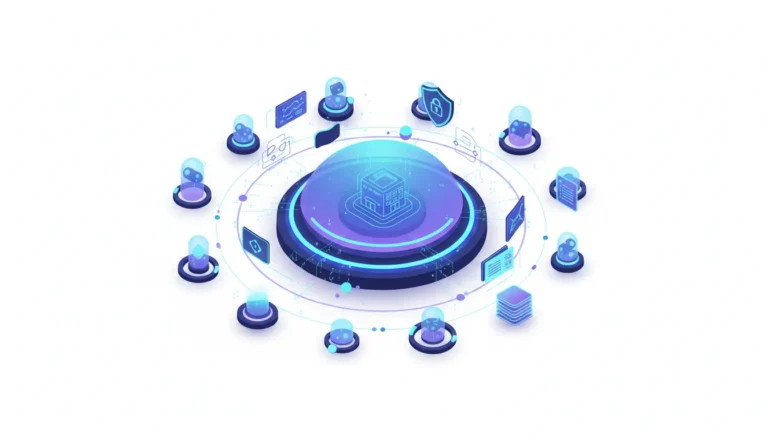
From what I’ve seen in dev threads and those early enterprise trials, the big hurdle here is bridging that gap between a slick show-and-tell and something you can trust in the wild. Google’s counter? The Vertex AI Agent Builder steps in as the sturdy frame around the Gemini core, sorting out the trickiest bits of getting agents live. It packs in Retrieval-Augmented Generation (RAG) to anchor responses in solid company facts, a ready lineup of connectors to business systems, and those essential guardrails for security and rules-following. This hands-off style aims to cut the risks for companies who can’t stomach wild guesses or data slips.
Market chatter’s all over the place right now. You’ve got spots like The Verge and TechCrunch geeking out over the sci-fi user-facing tricks, while Google’s blogs paint this upbeat picture for coders. Then DeepMind‘s papers throw in a measured take on keeping agents safe in theory. But here’s the thing—what’s absent is pulling it all together: a straightforward look at how these pieces lock into a strategy that’s sharp and sets Google apart. They’re wagering that fixing the day-to-day pains—tracking everything, basing it in reality, locking it down—will glue users in tighter than competitors who might edge out on model scores alone.
That puts Google right up against OpenAI’s Assistants API and Microsoft’s Copilot Studio in a head-to-head sprint. OpenAI kicked off simple tool integrations, but Google’s playing with a deeper, cloud-rooted package. The fight’s morphed—no more “mine’s the brainiest,” it’s “my setup lets you build, secure, and scale agents for actual work quicker and without the headaches.” Developers aren’t picking just a key anymore; they’re tying into a full world of connectors, search tools, and watch panels.
One key choice builders face, often glossed over, is where to run these things. Google’s spread covers cloud-based Gemini for the big lifts and on-device Gemini Nano for quick, private agents on Android or ChromeOS. That mix—cloud muscle versus edge privacy—stands out as a real edge. Still, weighing the give-and-take on power, price, and data control for each path? That’s murky territory yet, a blind spot for teams crafting tomorrow’s AI tools.
📊 Stakeholders & Impact
| Stakeholder / Aspect | Impact | Insight |
|---|---|---|
| AI / LLM Developers | High | They’re getting a complete platform to craft intricate agents now, which is empowering—but it means picking up fresh know-how on monitoring, handling states, and securing agents in ways we haven’t seen. The spotlight’s swinging from tweaking prompts to this whole new area of “agent reliability engineering,” plenty of reasons to dig in, really. |
| Enterprise IT & Security | High | These agents bring self-acting players into the mix, opening up fresh risks for hacks and data oversight that no one’s fully mapped. Vertex AI’s baked-in security, fact-checking, and logging tools? They’re make-or-break for getting buy-in without second thoughts. |
| Competing Platforms (OpenAI, Microsoft) | Significant | The game’s leveled up—not just about model chops anymore, but how solid the full agent pipeline is from start to finish. To avoid folks sticking with Google Cloud, these players have to beef up their enterprise tools, tracking, and rule-sets pronto. |
| End Users | Medium | Short-term, expect sharper, more useful assistants that feel a step ahead. Longer haul, though, comes trickier breakdowns that might not make sense right away—so building trust through clear views inside is everything. |
✍️ About the analysis
Researched and written with AI assistance under the editorial responsibility of the i10X News team. The title image is an AI-generated illustration. Read our AI Use Policy. Spotted an error? Request a correction.
This piece pulls from my own wrap-up at i10x, drawing on a thorough scan of Google’s product guides, tech posts, research outlays, and wider industry buzz. It’s geared toward developers, engineering leads, and CTOs wanting a clear-headed grasp on agentic AI’s rise and what it means for crafting smart setups.
🔭 i10x Perspective
Isn’t it striking how the days of LLMs as basic input-output machines are fading out? Google’s unified agent push drives that home—the real worth in AI ahead is these independent, job-focused systems. The fresh edge in the field isn’t the model by itself, but the full kit around it: the planning, the real-world ties, the tools, the watching—all that orchestration.
Google’s placing a smart wager here: with Vertex AI as the toughest, business-proof frame, they could lock in as the go-to for next-wave apps, turning the core model into just another piece. That said, the biggest hanging question? Can these twisty, unpredictable agents hit the steady mark for do-or-die business flows? We’re teetering on the edge of a whole new craft—Agent Reliability Engineering—to wrangle, troubleshoot, and rein in the slip-ups from our growing band of self-running digital crew.