Google's Private AI Compute: Secure Enterprise AI
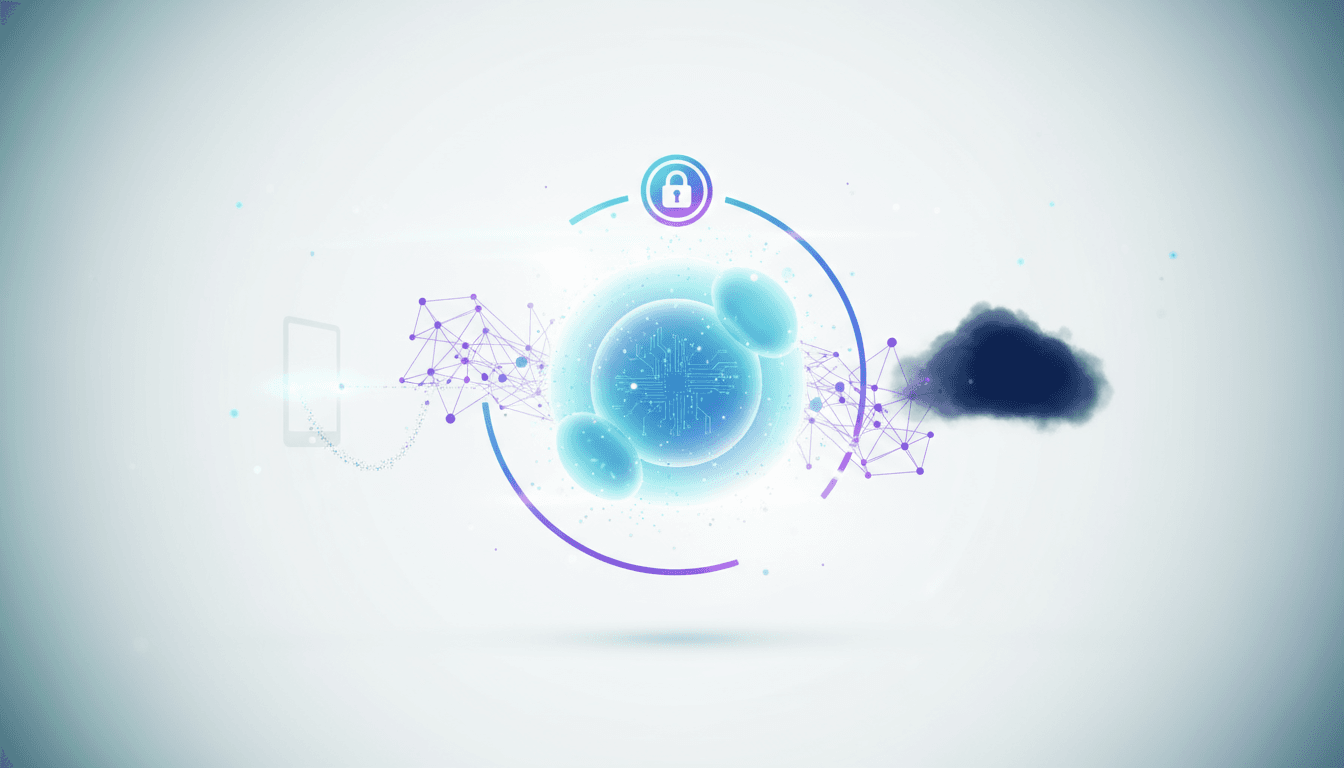
Private AI Compute — Google’s confidential AI for enterprise
⚡ Quick Take
Have you ever wondered what it would take for AI to truly handle your most private data without a single peek from the cloud giants? Google has just stepped into that confidential AI arena with Private AI Compute, a fresh infrastructure layer built to process sensitive info for its Gemini models right in the cloud. And no, this isn't merely a knee-jerk reply to Apple's Private Cloud Compute—it's a calculated push to tackle the trust issues that have enterprises hesitating on AI adoption, while throwing down the gauntlet to AWS and Azure's stronghold in secure cloud setups.
Summary: Google rolled out Private AI Compute (PAIC), a setup that taps into confidential computing tricks like remote attestation and data-in-use encryption to handle AI workloads in locked-down cloud enclaves. The beauty here? It lets Google shift heavy-lifting tasks from gadgets like Pixel phones to beefier cloud Gemini models, all while swearing that the data stays cryptographically out of reach—even from Google itself. From what I've seen in similar tech evolutions, this kind of promise could finally tip the scales for real-world use.
What happened: By leaning on trusted execution environments (TEEs), PAIC spins up an isolated space for AI processing. Devices can then cryptographically confirm—or "attest"—that they're connecting to the right, untainted code in that secure enclave before shipping over any data. Plus, the whole thing got a solid once-over from third-party security pros at NCC Group, which adds real weight beyond the usual hype.
Why it matters now: AI models are ballooning past what devices can handle on their own, so the field's settling into this hybrid groove. PAIC positions Google as the go-to for this "intelligent offload," zeroing in on the privacy and compliance snags that keep enterprises from unleashing AI on their crown-jewel data. That said, it's a clear signal: the AI showdown is evolving from who packs the biggest model punch to who can prove their infrastructure is ironclad secure.
Who is most affected: Think enterprise developers, CISOs, and those compliance folks buried in red tape—they're the ones in the spotlight. Suddenly, there's a Google-stamped path for crafting AI features that brush up against private data, but it comes with the extra homework of weaving in attestation checks to their daily grind. For rivals like AWS and Microsoft, well, it just cranked up the pressure to pitch their confidential computing tools with an AI twist.
The under-reported angle: Sure, headlines love pitting this as "Google versus Apple," but the deeper game is brewing in enterprise cloud territory. Private AI Compute is Google's way of packaging confidential computing for the AI age—making it less of a headache— and lining it up square against the tried-and-true, if somewhat bland, options like AWS Nitro Enclaves and Azure Confidential Computing. In essence, it's a bid to nudge Google Cloud into the default spot for trusted AI builds, plenty of reasons why that could stick.
🧠 Deep Dive
Ever feel that pull between the raw power of cloud AI and the nagging worry about where your data ends up? That's the heart of the modern AI dilemma—the smartest models thrive in the cloud, yet the juiciest data hunkers down on devices or in guarded enterprise vaults. Google's Private AI Compute steps in as the newest, most buzzworthy effort to span that divide, carving out a blueprint for "Confidential AI." It sidesteps the old either/or trap of speedy but risky cloud processing versus safe but skimpy on-device runs, sketching a hybrid route that aims to deliver the perks without the pitfalls.
At its core, the security setup rides on two pillars: Trusted Execution Environments (TEEs) and remote attestation. Picture TEEs as fortified bunkers tucked inside data center chips, where code and data churn away in total seclusion. Remote attestation? That's the smart verification step—your phone or app gets a digital "all clear" proving the cloud's running precisely the privacy-focused code it advertises, and only then does data flow. Backed by that NCC Group audit, it grounds trust in hard tech facts, not just a vendor's good word.
For everyday users, this means beefed-up Pixel tricks, say the fresh "Magic Cue" that pulls in fuller Gemini smarts from the cloud for spot-on, timely nudges—all without Google getting eyes on the details. But here's the thing: the enterprise side is where the real stakes lie. With this verifiable setup for handling touchy info, Google opens doors for Gemini APIs in strict sectors like healthcare or finance. It plugs a glaring hole—how to wield heavyweight LLMs on confidential data without tripping over rules like GDPR or HIPAA, which, let's face it, have stalled so many innovations.
In the end, PAIC feels like a savvy infrastructure gambit. Apple's Private Cloud Compute (PCC) brought the idea to consumer gadgets, but Google’s casting a wider net for devs and businesses alike. This ramps up the heat on cloud heavyweights. AWS Nitro Enclaves and Azure Confidential Computing pack the TEE basics, sure, but Google’s wrapping it in an AI-tailored, easy-to-grasp package. The fight's maturing—beyond crowning the top LLM, it's about who serves up the most straightforward, checkable, secure foundation to make it hum. Private AI Compute? That's Google's stake in claiming the throne for a reliable AI ecosystem.
📊 Stakeholders & Impact
Stakeholder / Aspect | Impact | Insight |
|---|---|---|
AI / LLM Providers (Google) | High | Enables Google to deploy more powerful Gemini features and tap into enterprise markets previously blocked by privacy and compliance concerns. |
Enterprise Developers & CISOs | High | Provides a new tool for building "zero-trust" AI applications. It shifts the burden from relying on policy to implementing cryptographic verification of the execution environment. |
Cloud Competitors (AWS, Azure) | Significant | Signals "Confidential AI" is now a branded product category. It forces competitors to move beyond offering generic TEEs and build simplified, AI-centric security solutions. |
Regulators & Policy | Medium | Creates a new technical standard for privacy that regulators will need to understand and evaluate. May influence future guidance on AI data handling. |
✍️ About the analysis
This is an independent i10x analysis based on Google's technical announcements, the public security review by NCC Group, and a comparative assessment against existing confidential computing platforms from Apple, Amazon Web Services, and Microsoft Azure. This article is written for developers, enterprise architects, and technology leaders navigating the shift toward secure, hybrid AI infrastructure.
🔭 i10x Perspective
I've always thought the trajectory of big AI would land somewhere in the middle—not all on-device, not fully exposed in the cloud, but a confidential hybrid blend. Private AI Compute's debut drives that home, with the industry's rivalry pivoting from sheer model specs (think context windows, parameter tallies) to the rock-solid proof of the backbone supporting them. Google, trailing Apple's consumer cue yet eyeing enterprise gold, is solidifying this shift. Still, the big if lingers: can we streamline this tangle of attestations and enclaves for everyday uptake, or will "confidentiality" stay locked in the realm of elite setups, forcing most to fall back on plain old trust once more?
Related News

LLM Medical Prognosis Limits: Why Models Fail Survival Forecasts
Benchmarks show LLMs excel at extracting data from records but struggle with calibrated long-term risk estimates. Discover why prediction drift blocks clinical use and how hybrid pipelines are emerging. Explore the guide.
Shadow AI Risks: Securing Developer Endpoints in LLM Workflows
Enterprises secure production AI but overlook Shadow AI risks from unvetted developer tools and personal LLM keys. Discover how AI Bills of Materials and full-lifecycle controls close the gap.
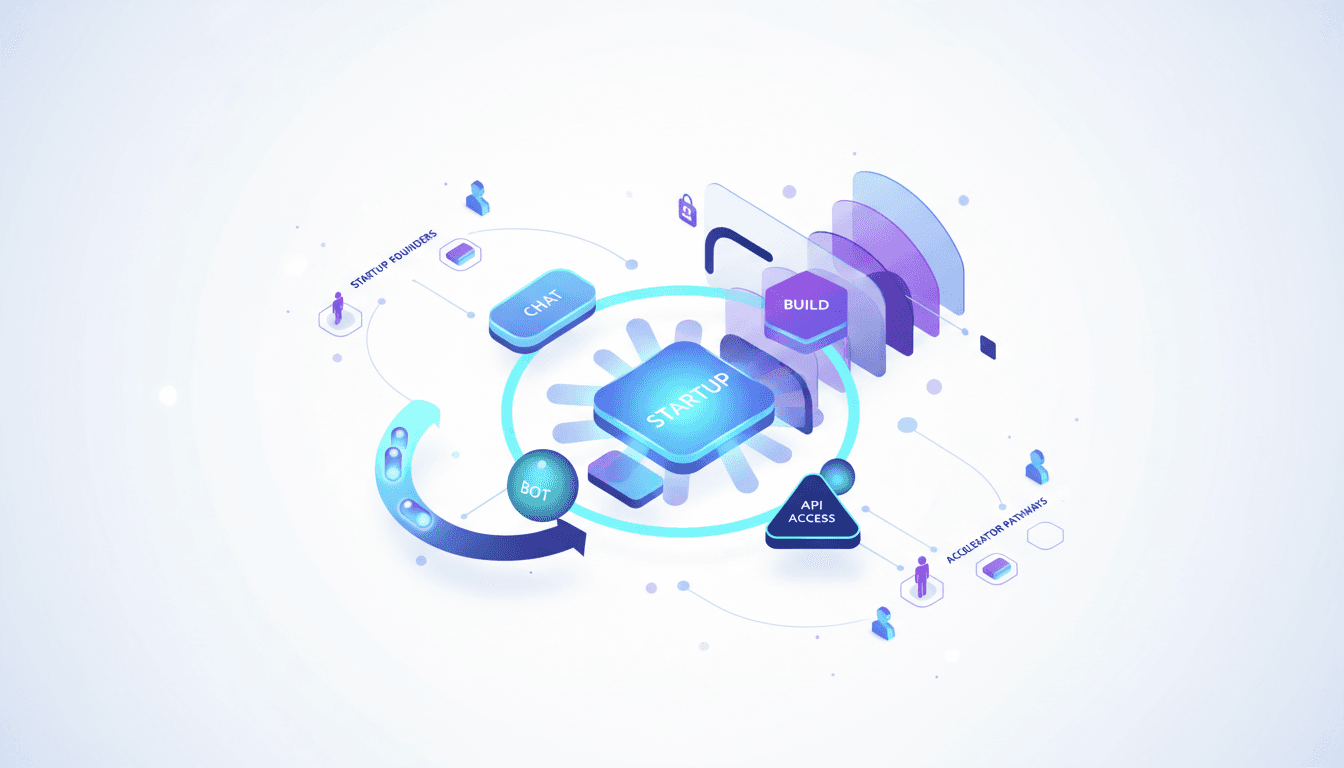
Grok for Startups: xAI Credit Program for Founders
xAI launches Grok for Startups with 6-12 months of unified credits for Grok, API, Build and Bot. Discover the 20/80 staged release to cut early burn rates and secure ecosystem access.