OpenAI’s quest to build AGI is colliding with the brutal realities of economics and physics. As investors and analysts question its massive cash burn and weakening competitive moat, the real, under-reported story is shifting from financial models to the hard limits of the electrical grid- revealing a future where access to power, not just capital, will determine the winners of the AI race.
Quick Take
- Summary: I’ve noticed how a growing chorus of investors, analysts, and strategists are starting to sound the alarm on OpenAI’s long-term financial viability- their concerns really zero in on an unsustainable cost structure, the intensifying competition from both proprietary and open-source models, and those systemic risks born from its deep financial ties to partners like Microsoft.
- What happened: Have you caught the latest analyses from places like Investor Daily (pulling from GQG Partners) and Fortune? They’re laying out OpenAI’s staggering cash burn, with projections of massive annual losses stretching through 2028. At the same time, policy and strategy folks are painting OpenAI as a potential “systemic risk,” pointing to its operational fragility and tight weave into the tech ecosystem that could spark some real cascading failures if things go south.
- Why it matters now: The generative AI market is moving beyond that initial “wow” phase- it’s maturing, you know? And now the spotlight’s turning to economic sustainability. If the finances of the top model provider are this fundamentally shaky, it throws a shadow over the long-term stability of all those thousands of applications and businesses riding on its platform. This feels like the big stress test for the whole “AI as a service” idea, doesn’t it?
- Who is most affected: OpenAI and its main backer, Microsoft, are staring down the barrel of the most direct financial and strategic hits. Enterprise customers and developers could feel the pinch from platform instability and pricing swings that come out of nowhere. Then there are the competitors- Google, Anthropic, the open-source crowd- they’re sources of pressure, sure, but also poised to scoop up any gains if OpenAI slips.
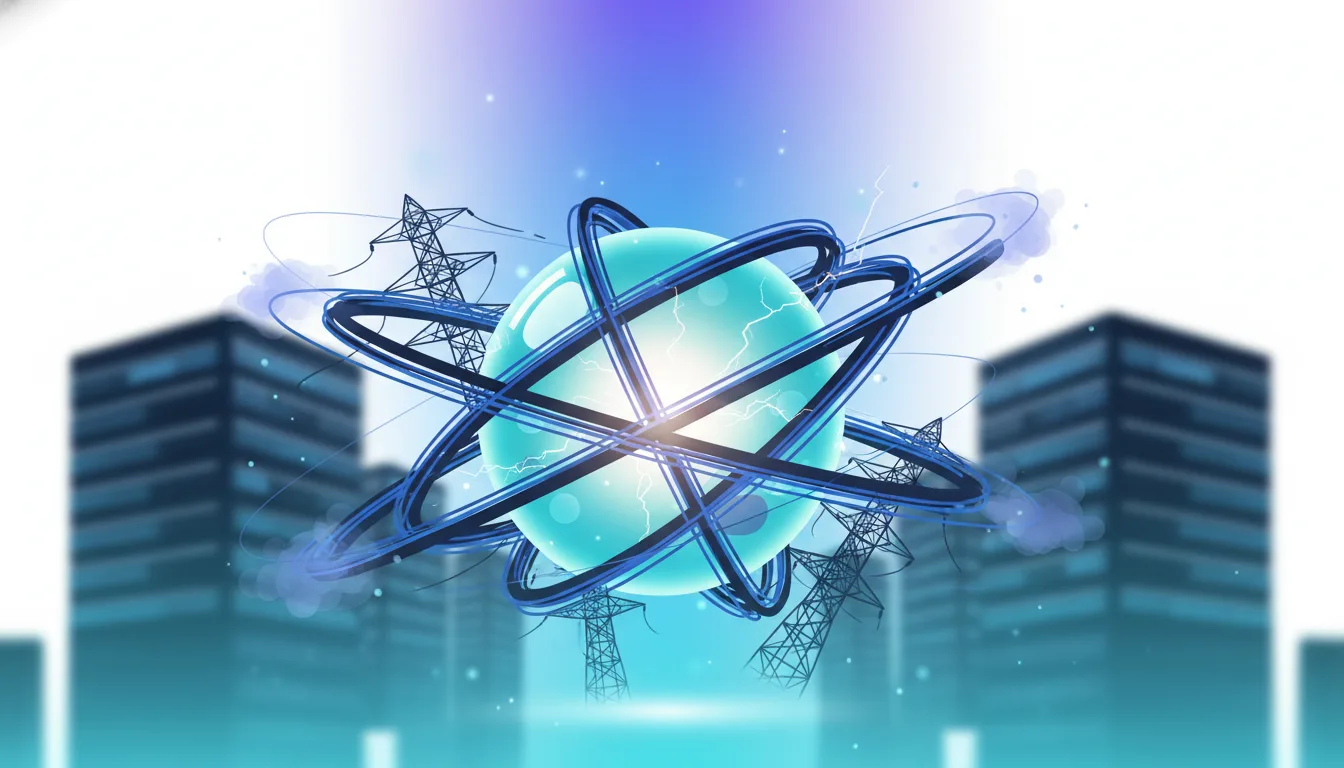
- The under-reported angle: Most coverage sticks to the numbers- cash burn, revenue projections- but from what I’ve seen, the true bottleneck for OpenAI’s growth is physical infrastructure, plain and simple. Those multi-trillion-dollar spending plans? They miss the mark: you can’t just build data centers without the power to run them. The fight’s really over megawatts, water rights, grid connections- stuff that could slam the brakes on AI’s wild scaling harder than any market jitters ever could.
Deep Dive
What’s keeping OpenAI up at night these days? It’s not so much their technical edge anymore- it’s straight-up economic survival. With operational costs skyrocketing from the endless hunger for GPU compute, the company’s teetering on a financial tightrope, no doubt about it. Those reports of projected annual losses ballooning into the billions through 2028? They highlight a core problem: the price tag for cranking out intelligence is way outpacing what it’s bringing in right now. And this isn’t your typical startup “burn cash to grow” play; it’s deeper, a structural headache where the unit economics for every single query stay stubbornly, punishingly high.
That fragility only gets worse with a competitive moat that’s fraying fast. Warnings from investors at places like GQG Partners make it clear: OpenAI rode a solid first-mover wave, but those defenses are thinning out. Sure, there’s fierce rivalry from deep-pocketed players like Google and Anthropic, but the real gut punch- and it’s a big one- comes from the open-source world. Those high-performing open models are driving prices down, commoditizing what used to be premium territory, and making it tougher for OpenAI to charge top dollar. The game’s shifting, too- from who owns the best model this week to who can lock in the strongest distribution channels and enterprise stickiness.
This shaky spot has woven OpenAI into an even deeper knot, especially with Microsoft. Analysts have unpacked this: it’s not just a straightforward vendor deal; it’s a tangled mess of financial and infrastructure links that turn OpenAI into something “too big to fail” for chunks of the tech landscape. That kind of counterparty focus? It breeds systemic risk, plain as day. If OpenAI’s books start crumbling, the fallout won’t stay neatly on their ledger- it’ll ripple out to Microsoft’s cloud ambitions and all the businesses hooked on those APIs, exposing a real vulnerability right in the middle of the AI hype.
But here’s the thing: the discussion’s broadening out, past just money and rivals, into the realm of physics itself. OpenAI’s floated these huge capital expenditure ideas- estimates running over a trillion in long-term pledges- but that’s not mainly about snapping up more GPUs. It’s code for chasing down power supplies and the nuts-and-bolts infrastructure. The push for AGI? It’s hitting walls with data center locations, power purchase agreements, cooling water needs, grid reliability- all that jazz. We’re seeing AI’s scaling dreams smack up against thermodynamics and civil engineering limits. The danger isn’t only emptying the coffers; it’s the grid running dry, leaving everyone wondering what’s next.
Stakeholders & Impact
| Stakeholder / Aspect | Impact | Insight |
|---|---|---|
| OpenAI & Microsoft | Critical | OpenAI’s got to nail profitable unit economics before the capital markets throw in the towel- plenty of pressure there. For Microsoft, any stumble hits hard, undermining their whole Azure and AI story in a big way. |
| Competitors (Google, Anthropic) | High | They’re dealing with the same cost squeezes, but watching OpenAI under the microscope gives them a roadmap of pitfalls to dodge. If OpenAI trips, it’s a clear shot at grabbing market share- especially for integrated outfits like Google. |
| Enterprise & Developer Customers | Significant | Leaning too heavy on one shaky platform? That’s a recipe for operational headaches. It’ll speed up the shift to multi-cloud setups and mixing models, seeing AI providers more as swapable tools, really. |
| Energy & Utilities Sector | High | AI’s power thirst opens doors to huge revenues, but it also strains the grid like nothing else. Leaders in the space will get sized up by how smartly they handle energy buys and those PPA deals. |
| Regulators & Policy Makers | Growing | The “too-big-to-fail” vibe, plus calls for government backing like loan guarantees, is drawing antitrust eyes and public debate- making AI infrastructure a full-on policy hot potato. |
About the analysis
Researched and written with AI assistance under the editorial responsibility of the i10X News team. The title image is an AI-generated illustration. Read our AI Use Policy. Spotted an error? Request a correction.
This piece pulls together an independent i10x take, drawing from investor reports, financial journalism, and strategic insights. It’s aimed at CTOs, AI planners, and infrastructure investors who want to cut through the buzz and grasp the real economic and physical hurdles steering large-scale AI into the future- you know, the stuff that matters when the hype fades.
i10x Perspective
OpenAI’s economic wake-up call marks a turning point- one that’s pushing the whole AI field to grow up a bit. That phase fueled by raw model power? It’s fading into something more grounded: sustainable setups, efficient operations, infrastructure that actually works in the real world. The AGI chase is morphing into a contest over solid unit economics and reliable power deals, tensions and all.
The big question hanging out there- the one that keeps things interesting- is whether foundational AI can ever run as a high-margin powerhouse, or if it’ll settle into a more utility-style grind, backed by cloud behemoths and taxpayer support. OpenAI’s real nemesis might not be some flashy rival model, but the everyday grind of utility-style economics. Chasing artificial superintelligence? It’s tied at the hip to our planet’s power grid limits, leaving us to ponder just how far we can push before reality pulls back.