OpenAI AI Pen: Jony Ive Partnership and Future Impact
⚡ Quick Take
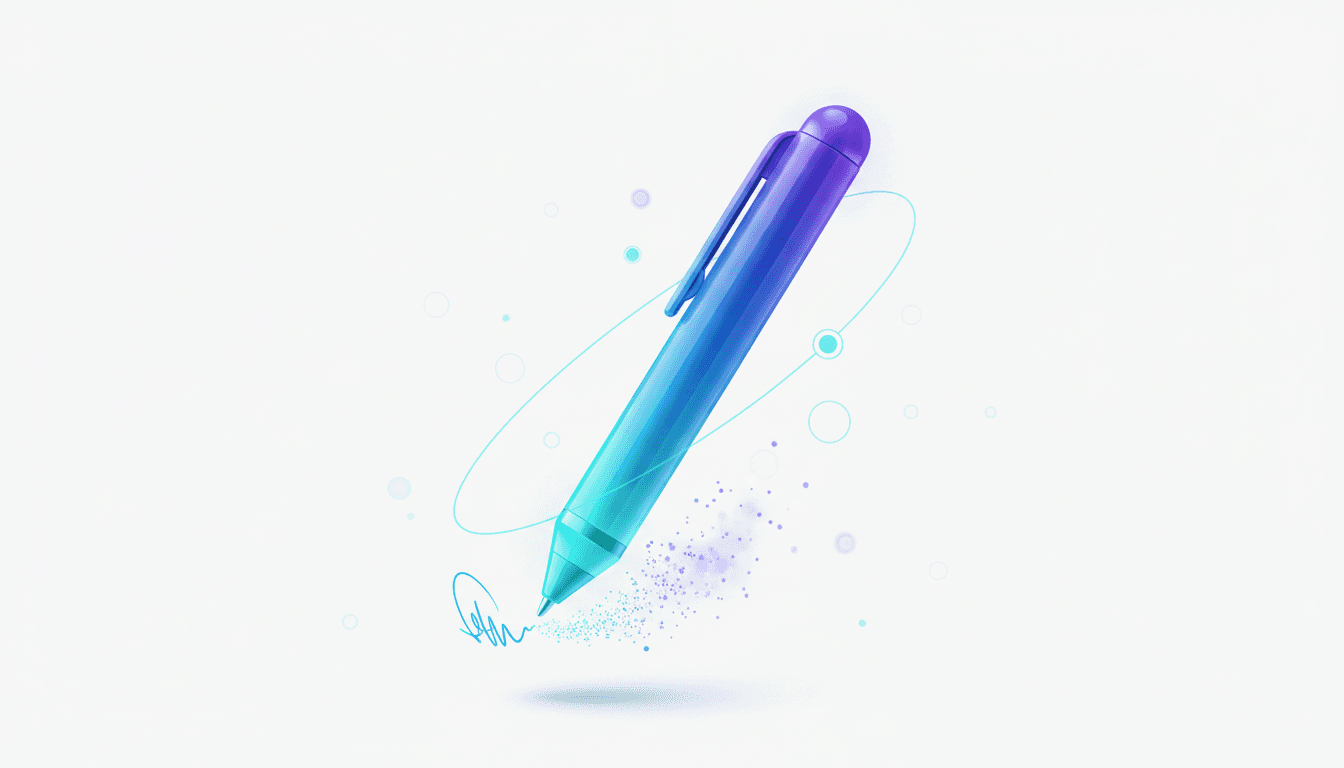
Have you ever wondered if the next big leap in AI might skip the screen altogether? OpenAI's first hardware venture isn't simply about crafting a pen- it's a calculated step toward crafting a direct, hands-on way to connect with its AI, sidestepping the dominance of Apple's and Google's smartphone worlds. Teaming up with design icon Jony Ive on a sleek, screen-free gadget, OpenAI is gambling that tomorrow's AI chats will feel more like a quiet companion in your pocket, tailored and unobtrusive. Yet, pulling this off will demand cracking those stubborn nuts around privacy, smooth connections, and real everyday value- challenges that have tripped up past AI hardware dreams.
Summary
From the whispers of leaks and insider reports, it looks like OpenAI is joining forces with Jony Ive's outfit, LoveFrom- you know, the former Apple design wizard- to roll out their debut hardware: a pen-shaped thing dubbed "Gumdrop." Slated for a debut sometime between 2026 and 2028, this no-screen wonder is meant to snag your handwriting and voice inputs, feeding them straight into ChatGPT's brain. It's OpenAI's bold pivot into consumer gadgets, shifting from pure software plays to owning the full chain of how we talk to AI.
What happened
Word from several reliable spots points to this "AI Pen" taking shape as a stripped-down, ever-present bridge to OpenAI's tech. The buzz is it'll jot down your scribbles and handle voice prompts without flashing a display, zeroing in on getting your raw ideas to the AI fast and clean. This effort stands as the star project for the hardware team OpenAI scooped up through their Ive partnership- quite the acquisition, really.
Why it matters now
Here's OpenAI staking a claim on what they call the "intelligence endpoint." Sure, Google and Apple are threading AI deeper into their gadget kingdoms, but OpenAI's going rogue- trying to spawn a fresh breed of hardware built just for AI chats. Whether it flies or flops could tip the scales on if these standalone, background AI tools can grab a real foothold, or if we're all stuck hitching our AI rides to the smartphone forever.
Who is most affected
For developers, this opens the door to a whole new playground tuned for AI from the ground up, maybe sparking fresh ways to boost work efficiency or make tech more accessible. Big players like Apple and Google? They're staring down a real rival to how they've locked in their hardware-software-AI mashups. And those scrappy AI hardware upstarts, think Humane or Rabbit- well, a tech titan jumping in backs their big idea that the market's ripe, but it could spell doomsday with all that branding muscle and deep AI smarts.
The under-reported angle
Coverage loves latching onto the gimmick- "hey, it's a pen!"- but the real deciders are the guts underneath: the software smarts and the trust factor. Can this thing weave into the apps and services we can't live without, fixing that isolation blues? Even bigger, how does it tackle the privacy minefield of a gadget that's always eavesdropping and jotting notes- a snag that sank those earlier AI tries? For the "Gumdrop" pen, it's not the polish on the outside that counts most; it's how it handles your data behind the scenes.
🧠 Deep Dive
Ever caught yourself jotting a quick note on a scrap of paper, wishing it could just... understand and act on its own? OpenAI's whispered "Gumdrop" isn't merely dipping a toe into the gadget pool; it's a high-stakes play to reshape how we bridge our messy human thoughts to machines. Picking a pen form factor, OpenAI and Jony Ive are essentially betting that the truest way to capture ideas isn't through glowing screens, but via something as instinctive as putting pen to paper. Leaks paint the heart of it: transforming those off-the-cuff doodles on a napkin, margin scribbles, or half-formed spoken thoughts into crisp, useful digital outputs, all powered by ChatGPT. This isn't just about supplying AI brains anymore- it's OpenAI angling to run the whole show, from spark to execution.
That said, the road ahead is paved with reminders of AI hardware that promised the moon and delivered dust. This project steps into a space still nursing bruises from flops like the Humane AI Pin or Rabbit R1. Those aimed for a no-screen, AI-led tomorrow, but they got bogged down by sluggish speeds, thin usefulness, and interfaces that felt more frustrating than freeing- hardly worth ditching your phone for. Ive's knack for clean, elegant design might yield something you want to hold, but the "Gumdrop" pen has to deliver a genuine leap, say 10 times smoother than what we've got now. Being a fancy ChatGPT remote? That's table stakes, not a winner.
From what I've seen in similar ventures, though, the real head-scratchers- and the bits reporting glosses over- circle back to privacy and how it all links up. An AI pen gets personal, fast; it's collecting your raw handwriting and stray voices. So, how's OpenAI planning to stash and crunch that sensitive stuff? On the device itself for some privacy shield, or beamed to the cloud for the heavy AI lifting? Skip a solid, believable policy on data, and yeah, it's toast before it starts. And let's be real- a pen alone in the world? Pointless. Its worth ties straight to plugging into the tools we lean on daily, from Google Calendar to Notion, Slack, or those big enterprise systems. That's no small software hurdle; it demands way more than a pretty shell.
In the end, though- and this is where it gets exciting- the sharpest way to size up this "AI Pen" is as a quiet powerhouse for getting things done. Ditch the basic note-taking angle. The magic's in morphing those loose brain dumps into real steps forward. Picture a coder roughing out a database layout that the pen spins into ready SQL; a team lead's hasty meeting jots filling a Jira ticket on their own; or a student’s class ramblings turning into neat flashcard sets, just like that. Throw in a developer toolkit from OpenAI, and "Gumdrop" might grow beyond a niche helper into a hub for ambient AI inventions- birthing a fresh wave of apps that slip right past the iOS and Android stranglehold. Plenty of potential there, if they play it right.
📊 Stakeholders & Impact
- OpenAI — High impact: Carves out a solid hardware base, funneling direct data streams and a custom interface straight to its AI core- loosening the reins held by Apple and Google as middlemen.
- Apple & Google — Medium impact: Throws a curveball at the phone's throne as AI's main hub. Expect them to ramp up their pushes into AI-smart add-ons, like the Apple Pencil or Pixel Buds, in response.
- AI Hardware Startups — High impact: A deep-pocketed AI leader storming in could wipe the slate clean- it nods to a real market but swoops it up with top-tier hype, resources, and unmatched model power.
- Developers & Enterprise — Medium impact: Opens a promising lane for crafting background AI flows. Still, it stirs up big worries on data safety, getting stuck in one vendor's world, and pulling off tricky work without a screen.
✍️ About the analysis
This piece draws from an independent i10x lens, pulling together what's out there in reports, insider hints, and looks at the competition. It's meant to arm developers, product folks, and tech decision-makers with the bigger picture as they shape tomorrow's AI setups.
🔭 i10x Perspective
What if the smartphone isn't the endgame, but just a chapter we're ready to rewrite? The OpenAI-Ive team-up isn't out to kill the phone; it's more like peeling it apart for the good stuff. They're wagering that focused, situation-savvy AI tools can snag those premium tasks way better than one-size-fits-all slabs of glass. The "AI Pen" marks the opening gambit in a broader push to claim that "intelligence endpoint" however it shows up- pens, wearables, you name it.
I've noticed how these bets often hinge less on flash and more on the invisible threads. For "Gumdrop," the proof won't be in its looks, but in its data handling. Can OpenAI craft something folks trust instinctively with their private musings, drawings, chats? The fight for computing's next wave won't go to the shiniest toy, but to whoever threads our real-world moments into digital smarts the most fluidly- and safely.
Related News
Agent-to-Agent Hiring: Breaking the AI Recruiting Doom Loop
Enterprise recruiting is shifting to autonomous A2A workflows as the AI hiring doom loop intensifies. Discover how agent-to-agent negotiations and auditable infrastructure are reshaping talent acquisition. Explore the guide.

OpenAI Daybreak: Automating Cybersecurity Patching at Machine Speed
OpenAI’s Daybreak and Defense Factory models let enterprises automate vulnerability patching from weeks to minutes. See how Block and Cloudflare use AI for machine-speed security fixes. Discover the shift.

OpenAI Engineer Arrested for Planting Hidden Recorder
A Saudi national and OpenAI engineer was arrested for allegedly installing a hidden audio device in an executive conference room. This case reveals shifting threats from cyber to physical espionage in AI labs. Learn more.