Have you ever wished your coding assistant could grasp your entire project, not just the file in front of you? OpenAI seems to be addressing exactly that with reports of a new Codex Desktop App, shifting the ground under the AI coding assistant market. It’s a smart move away from basic IDE plugins toward a full-fledged, repository-savvy local agent—one that could reshape how developers handle their daily workflows, especially in enterprise settings where governance and contextual depth are non-negotiable. From what I’ve seen in the evolving tool landscape, this could finally bridge the gaps that tools like GitHub Copilot still leave wide open.
Quick Take
- Summary: OpenAI is gearing up to release a standalone desktop application built around its Codex model. What sets it apart from the usual IDE plugins? This one acts as a local agent, scanning and indexing whole code repositories to deliver that rich, multi-file context essential for things like code generation, refactoring, and even automated testing—tasks that demand more than surface-level smarts.
- What happened: This isn’t just an incremental update; it’s a real architectural overhaul. Gone are the days of isolated code suggestions in a single file. The Codex Desktop App steps in to build a deep semantic grasp of the full project, letting it handle intricate operations across files and make better sense of those tricky legacy codebases that so often trip up teams.
- Why it matters now: Right on cue, this shakes up the world of AI coding tools—think GitHub Copilot from Microsoft, OpenAI’s own partner—by zeroing in on their biggest shortfall: that nagging absence of project-wide awareness. With beefed-up features and solid enterprise governance baked in, OpenAI is positioning itself to snag the premium slice of the developer pie, potentially setting a fresh benchmark for how we build software in an AI-driven age.
- Who is most affected: Developers in the trenches, CTOs plotting long-term strategies, and IT leaders signing off on tools—they’re all in the spotlight here. This app prompts a hard look at what’s already on the shelf, from GitHub Copilot to Anthropic’s Claude or setups like Cursor. And for enterprises, it’s a boon: think SSO, RBAC, even on-prem deployment options to meet those security and compliance demands that have held back broader rollout.
- The under-reported angle: But here’s the thing— this goes beyond a shiny new app. It’s a calculated platform grab. By owning the indexing and agent layer right on the desktop, OpenAI cuts ties with reliance on outside IDEs, building a sturdy defense against rivals stuck in the API-only game. Plenty of reasons to watch this closely, really.
Deep Dive
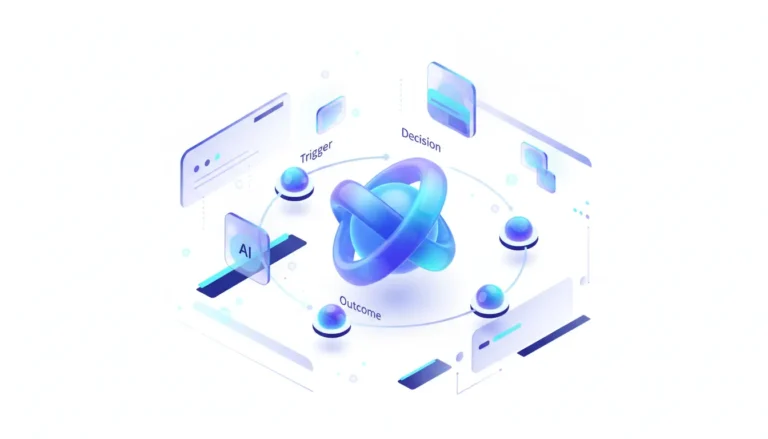
Ever feel like your AI coding helper forgets half the project the moment you switch files? OpenAI’s rumored Codex Desktop App looks set to change that narrative entirely, ramping up the stakes in the battle for smarter developer aids. It’s a bold stride past the everyday in-line completions that have become so commonplace now. At its heart lies this local agent architecture—running smoothly on your own machine, it keeps repositories indexed around the clock. That means a steady, sharp context window, pulling in RAG-style tricks tailored for code, to fix the short-term recall issues plaguing earlier tools. You know, the ones that fumble when edits ripple across files or when the project’s deeper logic comes into play.
This shift redraws the map for competitors overnight. Suddenly, OpenAI isn’t just rubbing shoulders with Microsoft and GitHub’s ever-present Copilot—it’s squaring off against Anthropic’s Claude lineup, with its knack for reasoning over big contexts, plus niche players like Cursor and embedded tools from JetBrains or GitLab. Copilot might shine on quick, file-bound ideas, but the Codex app? It’s geared for the heavy lifting: whipping up thorough unit tests, overhauling code at scale, or even guiding newcomers through the tangled web of an old codebase. That said, it’s the enterprise angle that really stands out to me.
From the start, this desktop app is engineered with corporate realities in mind—those nagging hurdles for IT and security folks. Word is, it’ll pack in governance tools like SSO/SAML for seamless logins, RBAC to keep access tight, full audit trails for staying compliant, and deployment flexibility from VPC setups to possible on-prem installs. It’s a head-on tackle for the worries around data residency, nodding to regs like the EU AI Act and benchmarks such as SOC 2. By prioritizing this, OpenAI could pry open doors to the juiciest market budgets, where hesitation has long been the rule.
In the end, though, the Codex Desktop App feels like a wager on tomorrow’s dev life—one where you don’t merely tap an AI for help, but team up with an agent that truly gets your whole world. The payoff? Not just more code churned out, but real gains in squashing bugs, beefing up tests, and slashing debug hours. Still, it’ll push engineering heads to run those tough, real-task benchmarks—looking beyond simple pass@k scores to things like speed, security, and the full ownership costs. Developer tools? They’re turning into boardroom bets now, aren’t they?
Stakeholders & Impact
| Stakeholder / Aspect | Impact | Insight |
|---|---|---|
| AI / LLM Providers | High | This nudges the field from pure API plays into full workflow integrations with real context smarts. It’ll press Anthropic, Google, and Meta to up their game on dev usability and enterprise controls, moving past just flexing model power. |
| Developers & Enterprises | High | A big productivity boost for tough jobs is on the table, yet it’ll demand scrutiny on costs, data privacy, and any lock-in risks. What was once a plug-and-play add-on now shapes as a core platform pick—strategic, through and through. |
| IDE & Platform Vendors | Significant | It’s a real jolt to AI embeds from JetBrains or Microsoft’s VS Code crew. With a local agent in charge, the IDE might lose its central role, handing more sway to OpenAI in how tools connect. |
| Regulators & Policy | Medium | By leaning into data stays local, audit-ready features (think SOC 2), and privacy safeguards, the app gets ahead of worries from things like the EU AI Act—raising the compliance standard for AI in dev tools overall. |
About the analysis
Researched and written with AI assistance under the editorial responsibility of the i10X News team. The title image is an AI-generated illustration. Read our AI Use Policy. Spotted an error? Request a correction.
Drawing from independent research, this piece pulls together what’s out there on rival AI coding setups and the typical enterprise must-haves to forecast how OpenAI’s Codex Desktop App might ripple through the dev tool space. I’ve aimed it at developers, engineering leads, and CTOs sifting through options for the next wave of software-building gear—practical insights for navigating the shift.
i10x Perspective
What if the Codex Desktop App closes the book on AI coding’s opening act? We’re past hawking API calls for basic auto-fills; now it’s crafting agentic platforms that lock down the full sweep of a developer’s context. From my vantage, the real gold isn’t in the LLM’s brainpower alone—it’s in the setup that channels it toward messy, everyday challenges. Keep an eye on the strain this puts on OpenAI’s cozy-yet-rivalrous tie with Microsoft, as they both sprint to claim the OS throne for AI-fueled coding. It’s a fascinating pivot, one that could redefine the field for years.