Quick Take
OpenAI has hired Peter Steinberger, the independent developer behind the viral AI agent framework OpenClaw, signaling a strategic acceleration from conversational AI to autonomous, tool-using agents. The move is a clear bid to productize the agentic capabilities that have so far lived primarily in open-source projects, turning novel demos into reliable enterprise-grade systems.
What happened:
OpenAI CEO Sam Altman announced the hiring of Peter Steinberger, creator of the OpenClaw agent project. Steinberger is tasked with helping build OpenAI’s “next-generation AI agents,” directly integrating his expertise in autonomous systems and tool orchestration into OpenAI’s core product development.
Why it matters now:
Have you ever wondered when AI might stop just chatting and start actually getting things done? The LLM race is shifting from pure model capability (e.g., context window, reasoning) to practical application. AI agents that can autonomously plan, use tools (APIs, browsers, code interpreters), and execute complex multi-step tasks are seen as the next major product frontier, moving beyond the limits of prompt-and-response chatbots.
Who is most affected:
Developers building on the OpenAI platform, enterprises planning to deploy autonomous workflows, and the open-source community behind agent frameworks like LangChain and LlamaIndex. This hire signals that native, first-party agent capabilities are becoming a top priority for OpenAI, potentially competing with or complementing existing third-party tools.
The under-reported angle:
While the hire validates the explosive creativity in the open-source agent space, the real story is about solving the “last mile” problem. Viral demos like OpenClaw are impressive but notoriously brittle. Steinberger’s new role is less about fresh invention and more about tackling the immense engineering challenges of agent reliability, safety, and evaluation – the unglamorous work required to turn autonomous AI into a trustworthy product. From what I’ve seen in this space, that’s where the real breakthroughs happen, quietly but surely.
Deep Dive
Ever feel like AI is on the cusp of something bigger, more hands-on? OpenAI’s acquisition of Peter Steinberger is a significant tell for the future of its platform. It represents a strategic pivot from enhancing conversational models to building true “agentic systems” – AIs that don’t just talk, but do. Steinberger rose to prominence with OpenClaw, a framework that masterfully demonstrated how an LLM could orchestrate multiple tools to perform complex tasks, like intricate web research and data analysis, with a sophisticated planning and execution loop. This move signals OpenAI’s intent to build these advanced capabilities directly into its product suite, moving beyond simple API calls and plugins – and that’s no small shift.
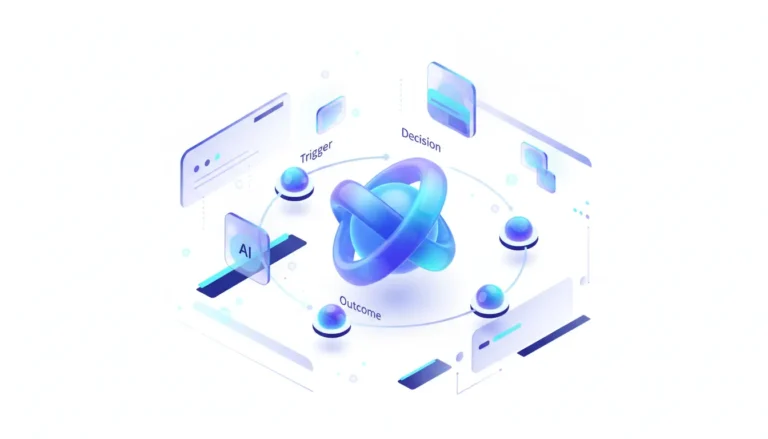
The significance of OpenClaw wasn’t just its capability, but its architecture. Unlike basic chatbots, which follow a linear prompt-response pattern, agentic frameworks like OpenClaw introduce concepts like planning, tool selection, reflection, and self-correction. The model acts as a reasoning engine or “brain” that can operate a virtual computer, deciding which tool to use next based on its progress toward a goal. This hire suggests OpenAI is looking to build a native, highly-integrated version of this architecture, learning from the successes and failures of the open-source ecosystem – plenty of lessons there, really, from the wild experiments that worked and the ones that fizzled out.
That said, this move places OpenAI in direct conversation with a vibrant community of agent-focused startups and open-source projects. For the past year, frameworks like AutoGPT, LangChain, and LlamaIndex have been the primary venues for agent experimentation. By hiring a top independent creator, OpenAI is both validating this direction and signaling its ambition to own the definitive, production-ready agent platform. The challenge now shifts from demonstrating possibility to ensuring production-grade reliability, a hurdle that has plagued many agentic applications and limited their enterprise adoption – it’s like weighing the upsides of bold ideas against the need for steady, dependable outcomes.
The central challenge for Steinberger and his new team will be bridging the gap between a compelling demo and a safe, predictable product. Autonomous agents introduce new risk vectors: they can get stuck in loops, hallucinate tool usage, misinterpret high-level instructions, or fail silently. Building robust evaluation benchmarks, safety guardrails, and transparent monitoring will be critical. This hire is therefore not just about adding features; it’s about investing in the foundational engineering required to make autonomous AI safe enough for mainstream and enterprise use. For developers, this means preparing for a future where they don’t just call an API for text, but instantiate an AI worker to delegate a task – a bit like handing off a project to a sharp colleague, if that colleague could occasionally go off-script.
Stakeholders & Impact
| Stakeholder / Aspect | Impact | Insight |
|---|---|---|
| OpenAI | High | Acquires critical talent to accelerate its agent roadmap and productize autonomous systems, moving beyond conversational AI to become a platform for AI “actors.” |
| Developers & MLOps | High | Signals the coming of powerful, native agent capabilities in the OpenAI API. This could simplify agent development but also lock them further into OpenAI’s ecosystem. |
| Enterprise Users | Medium–High | The prospect of reliable, enterprise-grade AI agents could unlock new automation workflows. However, adoption hinges on OpenAI solving the safety, reliability, and governance challenges. |
| Open-Source Agent Frameworks | Significant | This is both a validation of their vision and a competitive threat. As platforms like OpenAI build native agentic features, third-party frameworks must innovate to maintain their value. |
| AI Safety & Regulation | Medium | The push toward more autonomous agents will intensify concerns around control, accountability, and unintended consequences, likely prompting new research and policy discussions. |
About the analysis
Researched and written with AI assistance under the editorial responsibility of the i10X News team. The title image is an AI-generated illustration. Read our AI Use Policy. Spotted an error? Request a correction.
This i10x piece is an independent analysis based on public announcements and a synthesis of competing coverage from tech and finance media. It is informed by our research into the AI agent ecosystem, including open-source frameworks and the key technical challenges in building reliable, autonomous systems for developers and enterprise CTOs.
i10x Perspective
The race for AI dominance is no longer just about building bigger models; it’s about building smarter actors. OpenAI’s hire of an open-source innovator reveals a critical industry shift: the most valuable work is now in translating the chaotic, brilliant experimentation of the community into secure, reliable products. The unresolved tension is whether centralized platforms can deliver the robustness enterprises need without sacrificing the creative flexibility that made agents so compelling in the first place. Watch this space: the path from viral demo to trusted delegate is now the primary battlefield for AI supremacy – and I’ve got a feeling it’s going to get even more interesting from here.