Have you ever wondered if AI’s real power lies not in one brilliant mind, but in teams of them working together? OpenAI’s Startup Fund seems to think so, placing a strategic bet on the next frontier: interconnected teams of AI agents. They’re investing in a platform that lets these agents communicate seamlessly, marking a shift from solo AI chats to sophisticated, multi-agent setups that can handle entire workflows. And this comes at a time when the open-source world is buzzing with similar ideas—it’s a bold challenge right in the heart of that space.
Quick Take
- Summary: The OpenAI Startup Fund has put money into a company building software for AI agents to talk, coordinate, and team up on tough tasks. This is all about laying the groundwork for “agent swarms,” a big gamble on where autonomous systems are headed next.
- What happened: OpenAI isn’t chasing yet another app layered on GPT this time. No, they’re going deeper, funding the core tech for orchestrating agents. Think of it as the protocols and teamwork models that let specialized AI agents—each with their own strengths—collaborate like a human crew tackling something too big for one person.
- Why it matters now: From what I’ve seen in the AI world lately, we’re leaving those quick chatbot exchanges behind for agents that stick around and act on their own. This investment highlights how the real fight is moving from top-notch models to the systems that make agents shine in everyday use. It’s OpenAI’s commercial swing in an arena ruled by open-source players like Google’s LangGraph and Microsoft’s AutoGen—plenty of reasons to watch closely, really.
- Who is most affected: Enterprises and developers top the list here. For businesses, it’s a shot at streamlining those messy, multi-step processes without constant hand-holding. Developers, though? They now have to decide: build from scratch with open-source options or buy into a ready-made platform that might save time but lock them in.
- The under-reported angle: Sure, it’s an investment, but dig a bit and it’s really about picking a path for how agents connect. OpenAI’s choice could help set the standards—like crafting the TCP/IP for AI agents, if you will. The bigger tale is this quiet race to define how these collaborative bots will interact in tomorrow’s automated economy.
Deep Dive
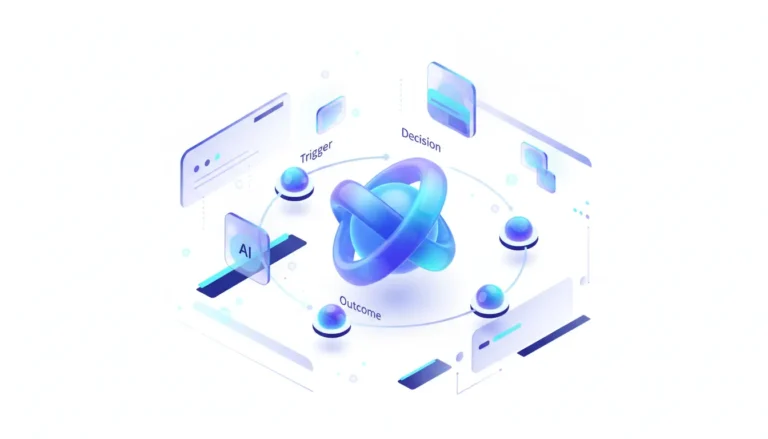
What if the future of AI isn’t some all-knowing supercomputer, but a network of specialists getting things done together? That’s the core idea behind OpenAI’s latest move through its startup fund—it’s not tied to one product, but to a belief in collaborative AI. They’re pouring millions into a startup that specializes in agent-to-agent communication, betting that true breakthroughs will come from swarms of focused agents teaming up, rather than a single massive brain. This pushes us past the back-and-forth of current large language models into breaking down and carrying out intricate tasks automatically.
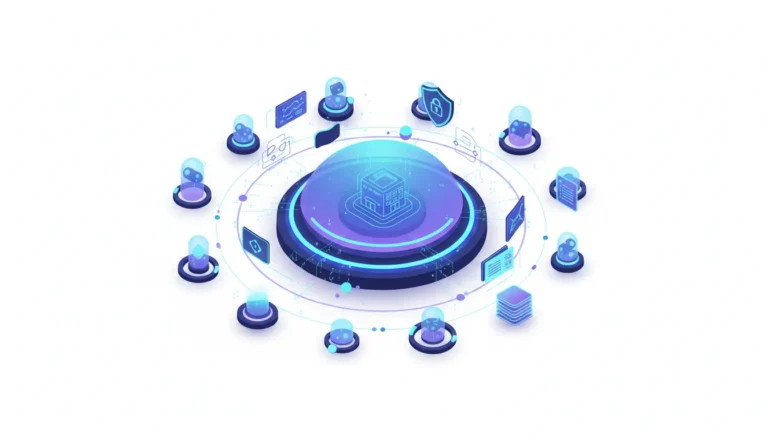
Timing-wise, this hits right amid a crowded field. I’ve noticed how the cutting-edge stuff in multi-agent systems has mostly bubbled up in open source lately—tools like Microsoft’s AutoGen, Google’s LangGraph, and the grassroots favorite CrewAI are already letting folks link agents, set up boss-worker dynamics (say, a manager handing off jobs to helpers), and plug in external tools. OpenAI’s cash infusion is their way of stepping in to guide and profit from this layer, delivering a polished, business-ready option over the more grassroots open-source approach.
For companies dipping their toes in, it’s got upsides and pitfalls – a real double-edged sword. Picture this: an AI setup that researches markets, writes reports, whips up graphics, and even launches campaigns with barely any human tweaks. That’s the workflow magic agent swarms could bring. But then come the headaches—governance, security, keeping an eye on it all. How do you troubleshoot when agents are bouncing ideas off each other? Audit their choices? Stop small glitches from snowballing? This kind of commercial platform promises solutions baked in, like monitoring tools, compliance features, and ways to step in when needed.
In the end, this forces us to rethink building with AI altogether. It’s less about tweaking prompts or tuning models now, and more about designing whole systems. Folks in dev or leadership roles have to weigh agent patterns, how they chat, shared knowledge bases, and handling tools reliably. Picking a path—whether a backed-by-big-names commercial setup or the adaptable open-source route—will shape a company’s AI strategy for years, no question.
Stakeholders & Impact
| Stakeholder / Aspect | Impact | Insight |
|---|---|---|
| AI / LLM Providers | High | The competition evolves beyond crafting the top model to dominating agent coordination. OpenAI’s step here is a smart grab for the rising “agent OS,” controlling how these systems mesh. |
| Enterprises / Adopters | High | Opens doors to streamlining intricate workflows on autopilot. That said, it amps up worries around dependability, safety, and tracking what these “agent swarms” decide in sequence. |
| AI Developers | High | Brings a key fork in the road: go for a sleek commercial platform or stick with nimble (though lighter on support) open-source like LangGraph or AutoGen. Either way, new skills are on the table. |
| Regulators & Policy | Significant | “Agent swarms” bring fresh risks around unexpected behaviors. Watch for rules on overseeing chains of AI choices and mandating clear records. |
About the analysis
Researched and written with AI assistance under the editorial responsibility of the i10X News team. The title image is an AI-generated illustration. Read our AI Use Policy. Spotted an error? Request a correction.
This comes from an independent i10x look at market vibes and trends in multi-agent setups. I pulled the insights by sizing up what’s out there in open-source tools and spotting the enterprise needs that investments like OpenAI’s aim to tackle. It’s geared toward developers, product leads, and tech execs shaping tomorrow’s AI.
i10x Perspective
Ever feel like AI is evolving from lone geniuses to something more like a bustling community? OpenAI isn’t just backing an app—they’re funding the glue that holds AI societies together. It underscores that peak AI might be less about an all-seeing oracle and more a “society of minds” thriving on teamwork. Sure, this speeds up autonomous business tools, but it highlights the pull between keeping things in check and letting smart behaviors emerge naturally. Over the next ten years, we’ll wrestle with safeguards, logs, and rules for these digital groups—without dimming their spark. We’re shifting from coding machines to nurturing AI ecosystems, and honestly, the guidebook’s still being written.