OpenAI's Superapp: Chat, Code, and Web Consolidation
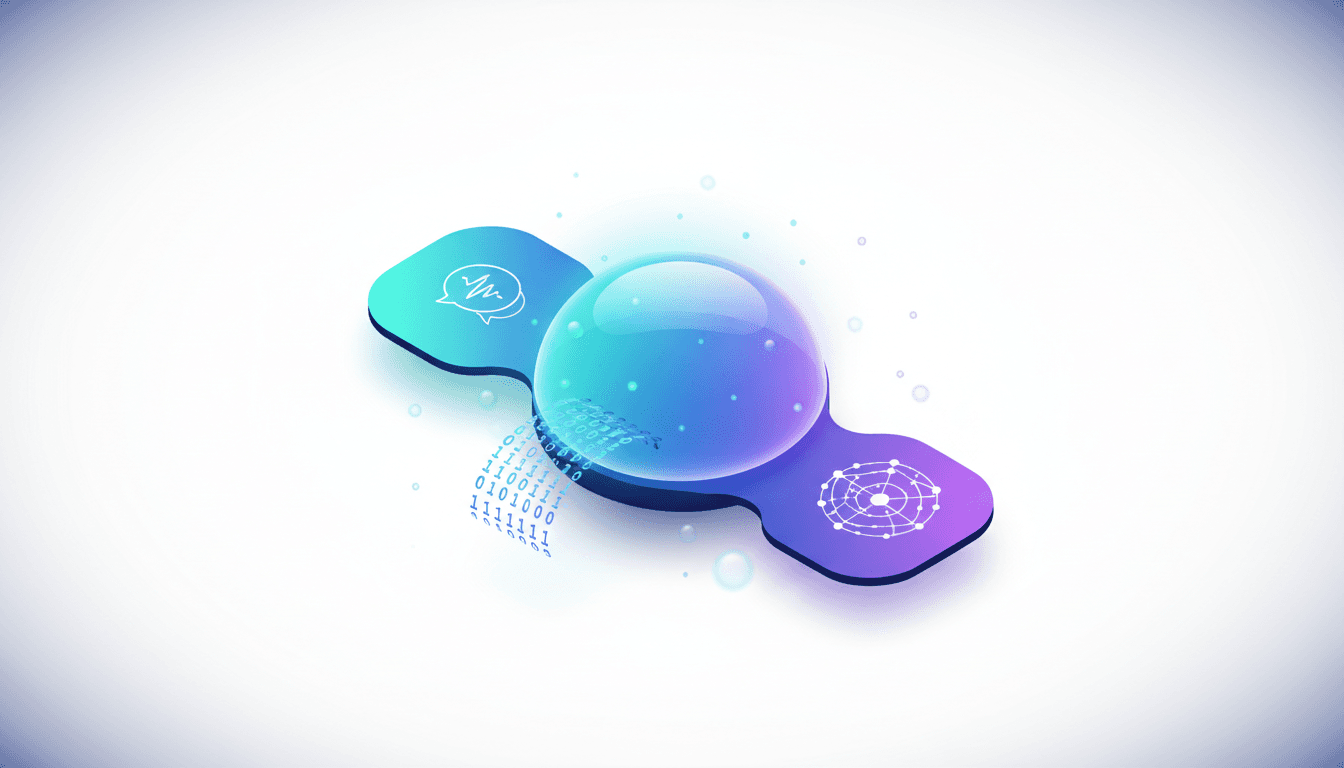
OpenAI's Superapp Consolidation: Chat, Code, and Web
⚡ Quick Take
OpenAI is consolidating its fragmented product line—merging ChatGPT, its Codex-powered coding features, and web browsing capabilities into a single, unified superapp. This isn't just a UI refresh; it's a strategic pivot from a collection of powerful tools into a coherent platform designed to streamline user workflows and compete head-on with integrated rivals like Microsoft Copilot and Google Gemini.
Summary: OpenAI is moving to resolve the fragmentation in its user experience by creating a single, integrated application. This "superapp" will combine conversational AI, advanced code generation and interpretation, and real-time web browsing, eliminating the need for users to switch between different modes or interfaces for different tasks. It's a step that feels overdue, really, smoothing out those rough edges we've all bumped into.
What happened: The company is deprecating the siloed experiences of distinct tools like Codex and separate browsing plugins in favor of a unified architecture. This consolidation aims to create a more intuitive workflow where chat, code, and search are seamlessly available as "modes" within one cohesive environment. No more juggling tabs or apps—just one place to get it all done.
Why it matters now: Have you ever wondered why some tools feel like they're pulling you in a dozen directions at once? This is a direct response to a maturing market. As competitors like Microsoft and Google bake AI assistants deeply into their existing platforms (Office 365, Google Workspace), OpenAI's fragmented approach was becoming a strategic liability. A unified app is critical for user retention, developer buy-in, and closing large enterprise deals that demand streamlined management and security. It's about weighing the upsides of simplicity against the chaos of too many options.
Who is most affected: Developers and enterprise IT administrators are the primary audience for this shift. Developers need a stable, predictable platform to build on, while enterprise admins require a single, governable application to deploy and secure. Individual power users will also benefit from the reduced friction, making their daily grind a bit less tedious.
The under-reported angle: While most see this as a user-friendly update, the real story is about platform-building. This move is less about features and more about creating a defensible ecosystem. A unified superapp provides a stable foundation for a future of autonomous agents, a consolidated API surface for developers, and a single pane of glass for enterprise security and compliance—the essential pillars of the next AI platform war. That said, it's a quiet power play that could redefine how we think about AI tools long-term.
🧠 Deep Dive
Ever feel like you're herding cats when trying to piece together AI tools for a single project? OpenAI’s initial success was fueled by a series of powerful but disconnected experiences. Users chatted with ChatGPT, developers hit the Codex API for code, and researchers enabled a browsing plugin for live data. This fragmentation, a natural byproduct of rapid innovation, created significant user friction and strategic confusion. The core pain point was constant context switching—moving from a chat conversation to a separate coding environment, then toggling a browser to verify information, breaking cognitive flow and killing productivity. It's the kind of thing that drains the energy right out of a good idea.
But here's the thing: the "superapp" strategy directly addresses this by architecting a unified workspace with distinct but interoperable modes. Instead of separate products, users will interact with a single, intelligent agent capable of shifting its capabilities—from conversational partner to coding assistant to research tool—within the same interface. This model mirrors the integrated approach taken by Microsoft Copilot, which surfaces across the M365 suite, and Google's vision for a multi-modal Gemini that understands and operates on text, code, and images in one seamless flow. From what I've seen in the field, these kinds of integrations are what turn promising tech into everyday essentials.
This consolidation sends a critical signal to the developer and enterprise ecosystems: OpenAI is maturing from a research lab into a product-focused company. For developers, a unified platform promises a more stable and less ambiguous API roadmap, making it a more reliable target for building plugins and integrations. The chaos of deprecated models and shifting product lines has been a major source of uncertainty; a focused superapp suggests a commitment to a long-term, supportable foundation. Plenty of reasons to breathe easier there.
More importantly, this is OpenAI’s enterprise-readiness gambit. Selling fragmented tools to large corporations is a security and compliance nightmare. A single, governable application is far easier for IT administrators to deploy, monitor, and secure. Features like centralized workspace management, unified data retention policies, and streamlined security controls are no longer nice-to-haves but essential requirements for closing six- and seven-figure contracts. By consolidating, OpenAI is finally building a product that CSOs and CIOs can actually approve—without the usual headaches.
Ultimately, the superapp merge is OpenAI's play to own the primary AI interface. The battle for the future of AI is no longer just about having the most powerful model; it's about owning the workflow. By creating a sticky, all-in-one environment, OpenAI is betting it can become the default operating system for intelligence work, locking in users and creating a powerful moat against competitors who are just as furiously building their own integrated platforms. And who knows—it might just stick, reshaping how we work with AI in ways we're only starting to imagine.
📊 Stakeholders & Impact
Stakeholder / Aspect | Impact | Insight |
|---|---|---|
AI Developers & API Users | High | Provides a clearer, more stable platform roadmap. Reduces ambiguity around which APIs to use (e.g., Codex vs. newer models) and simplifies building integrated plugins—makes life a tad less frustrating, if you ask me. |
Enterprise IT & Security | High | Massively simplifies governance, compliance, and security management. A single app is easier to audit and control, making enterprise-wide adoption more feasible and less of a compliance tango. |
Individual Users & Teams | Medium-High | Reduces friction and context-switching, leading to higher productivity. Offers a more intuitive and powerful workflow for complex tasks involving research, analysis, and coding—just what busy folks need to keep momentum going. |
Competitors (Microsoft, Google) | Significant | Eliminates one of OpenAI's key strategic weaknesses (product fragmentation). Escalates the "platform war" by forcing competitors to innovate on the integrated user experience, not just model capabilities, heating up the race nicely. |
✍️ About the analysis
This is an independent i10x analysis based on public product announcements and competitive landscape research in the AI assistant market. Our breakdown connects OpenAI's product strategy to the underlying infrastructure and enterprise-readiness challenges facing developers, CTOs, and product leaders in the AI space. It's drawn from piecing together the signals out there, aiming to cut through the noise a bit.
🔭 i10x Perspective
What happens when the shine of innovation starts to fade into the grind of real-world use? OpenAI's superapp consolidation marks the official end of the AI novelty era. The race is no longer about demonstrating magical capabilities in isolated demos but about building integrated, reliable systems of intelligence. This pivot from a model-first to a platform-first strategy is a necessary, defensive move to compete in a market where deep integration is the new table stakes. The unresolved tension is whether this newfound focus on enterprise-grade productization will tame the chaotic, research-driven innovation that made OpenAI the market-defining force it is today. It's a balancing act worth watching closely, as it could tip the scales in unexpected directions.
Related News
Agent-to-Agent Hiring: Breaking the AI Recruiting Doom Loop
Enterprise recruiting is shifting to autonomous A2A workflows as the AI hiring doom loop intensifies. Discover how agent-to-agent negotiations and auditable infrastructure are reshaping talent acquisition. Explore the guide.
OpenAI Daybreak: Automating Cybersecurity Patching at Machine Speed
OpenAI’s Daybreak and Defense Factory models let enterprises automate vulnerability patching from weeks to minutes. See how Block and Cloudflare use AI for machine-speed security fixes. Discover the shift.

OpenAI Engineer Arrested for Planting Hidden Recorder
A Saudi national and OpenAI engineer was arrested for allegedly installing a hidden audio device in an executive conference room. This case reveals shifting threats from cyber to physical espionage in AI labs. Learn more.