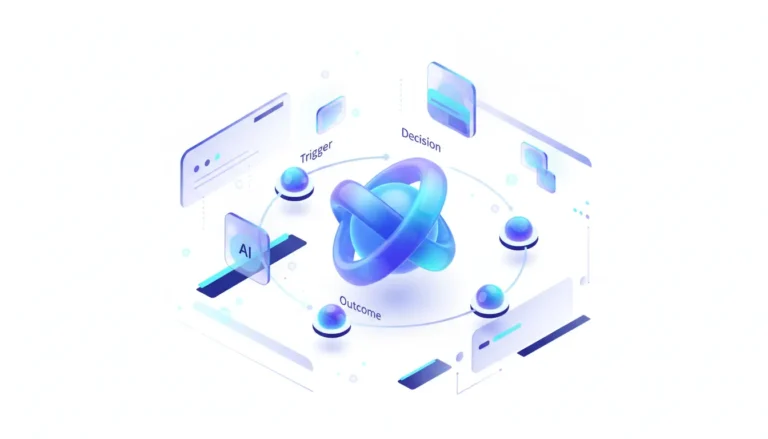
Have you ever wondered if the future of chatting with AI might feel as natural as a phone call? OpenAI seems to be chasing exactly that vision, pushing past basic audio tools to craft a complete platform for real-time, conversational voice agents. This shift from standalone services to something more woven together hints at their drive to shape how we interact with computers next—but it also uncovers real hurdles in testing, budgeting, and scaling that developers will have to tackle head-on.
Quick Take
- Summary: OpenAI has steadily improved its speech-to-text (STT) and text-to-speech (TTS) models, sure, but the heart of it all is this turn toward Voice Agents—those intricate, streaming systems built for back-and-forth talks. They’re handing out the essential parts and guides so developers can assemble everything from call center setups to helpers right inside apps.
- What happened: OpenAI just dropped a bunch of docs and API features geared toward quick, live voice exchanges. Think guides on streaming setups, tying in with telephony like WebRTC or PSTN, and keeping track of chat context—it’s all nudging developers away from just transcribing or generating speech toward full-blown voice journeys.
- Why it matters now: Right now, this ramps up the battle over AI interfaces, moving from text chats to something more seamless and voice-driven, almost like it’s always there. With a tighter toolkit in hand, OpenAI is arming creators to build smarter apps, taking on big names in contact center AI (CCAI) and staking a claim as the base layer for whatever voice-first tech comes next—that said, it’s a lot to live up to.
- Who is most affected: Folks like developers, product engineers, and those shaping customer experience (CX) platforms stand to gain the most, or wrestle with it, anyway. They get these potent new tools, but along with them comes the weight of handling live systems—latency issues, costs piling up, and fresh rules around safety and consent for voice data, plenty of reasons to tread carefully.
- The under-reported angle: OpenAI’s docs lay out the basics of “what” to do, but the real gap—and it’s a wide one—is in the “how” for getting these into real production. We’re short on solid, unbiased benchmarks for latency and quality next to rivals like Google or ElevenLabs, no straightforward guides for trimming costs on heavy streaming, and not enough model setups for tough, expandable voice agents that won’t crumble under pressure.
Deep Dive
Ever feel like AI’s voice tech is evolving faster than we can keep up? From what I’ve seen in OpenAI’s latest moves, it’s clear they’re steering the ship toward a full platform for smart, interactive agents—not just tweaking a model here or there. Their docs make it plain: they’re leaving behind tips on single STT or TTS calls for full blueprints on real-time Voice Agents. It’s a smart play, positioning OpenAI right in the middle of what’s likely the next big way we talk to machines, though it does drag some hefty new puzzles into the light for anyone putting these to work out there in the real world.
The toughest nut to crack? That jump to production readiness. Piecing together a voice agent that responds in a blink—low latency and all—is no small engineering lift, way more than firing off an API request. The gaps in the market jump out, really: developers are hunting for solid plans to hook up with WebRTC for web agents or SIP/RTP for old-school phone lines. They need ways to hold onto conversation threads, nail those natural pauses in talk, and sift through messy audio from everyday life. OpenAI offers the SDKs, no doubt, but hitting under 500ms replies and rigging backups? That’s still on the teams building it, shoulders squared and all.
And that brings us to the itch for honest, outside-the-box assessments—desperately so. Right now, it’s all vendor stats and hand-picked sound clips, which feels a bit like trusting the fox to guard the henhouse. What’s missing are real, data-driven comparisons of OpenAI’s stuff against the field on things like Word Error Rate (WER), Mean Opinion Score (MOS) for how natural it sounds, and especially those p95 latency numbers versus Google, Amazon, Microsoft, or niche players like ElevenLabs. Without something like an “Evaluation Toolkit”—think standard test sets and key measures—big companies are guessing their way through, trying to figure out the sweet spot of quality, zip, and price for what they actually need.
At the same time, getting into voice cloning and super-lifelike synthesis? It demands we step up on safety and getting permission, no two ways about it. OpenAI’s take on their Voice Engine preview owns up to the dangers, insisting on clear consent and banning fakes of real people. But knowing the rules is one thing—making them stick is another. Builders need hands-on advice for consent flows that hold water, weaving in audio watermarks to track origins, and logging everything for laws like GDPR or the shifting sands of biometric privacy. These aren’t side issues; they’re the entry fee for any business rolling out voice AI that chats with folks.
Peering further out, OpenAI’s sights go way past the server farms. Whispers of a fresh voice model by 2026 and maybe audio gadgets in 2027 point to a grand plan to grip the whole voice world, from APIs to devices you hold. It paints a picture of mixed setups down the line—on-device crunching for quick, private hits blended with cloud smarts as the backbone. For developers, that means the calls you’re making now on structure could make or break how ready you are when voice AI turns into that constant hum in our tech lives, not just an add-on in some app—something to mull over, I’d say.
Stakeholders & Impact
| Stakeholder / Aspect | Impact | Insight |
|---|---|---|
| Developers & Builders | High | They pick up game-changing tools for live voice work, but suddenly they’re knee-deep in design challenges, budget tweaks, and rule-following without much in the way of proven paths forward. |
| Enterprises & CX Leaders | High | A real shot to revamp how they handle service and connect with users via advanced voice setups, though it’ll mean sinking resources into fresh expertise and sorting through a field short on neutral yardsticks. |
| Competing AI Providers | High | The standard’s been upped—no more coasting on better STT or TTS alone; now it’s about delivering a full “voice agent” package to match Google, Amazon, ElevenLabs, and the rest. |
| Regulators & Policy | Significant | With “Voice Engine” and spot-on voice mimics in play, expect a surge in oversight on biometrics, deepfakes, and permissions, calling for sharper rules to keep things in check. |
About the analysis
Researched and written with AI assistance under the editorial responsibility of the i10X News team. The title image is an AI-generated illustration. Read our AI Use Policy. Spotted an error? Request a correction.
This i10x breakdown pulls from OpenAI’s straight-from-the-source API docs, bits of public roadmap chatter, and the spots where market talk falls short. It’s aimed at developers, product leads, and tech decision-makers sizing up and constructing serious AI voice systems—practical stuff, without the fluff.
i10x Perspective
Is OpenAI’s leap into bundled voice agents just an upgrade, or a full-on bid to claim the ambient computing frontier? From my vantage, it’s the latter—a calculated grab at owning how we converse with AI through voice, building the bones to lock in that space.
It shakes up the whole sector, too, pulling focus from raw model polish to how smoothly developers can stitch together these live, tangled systems. The big question hanging? It’s less about nailing that human-like tone and more about whether the setups behind it stay cloud-tied and central or shift toward spread-out, privacy-first designs. With OpenAI eyeing hardware, they’re gearing up to scrap on every level, no holds barred.