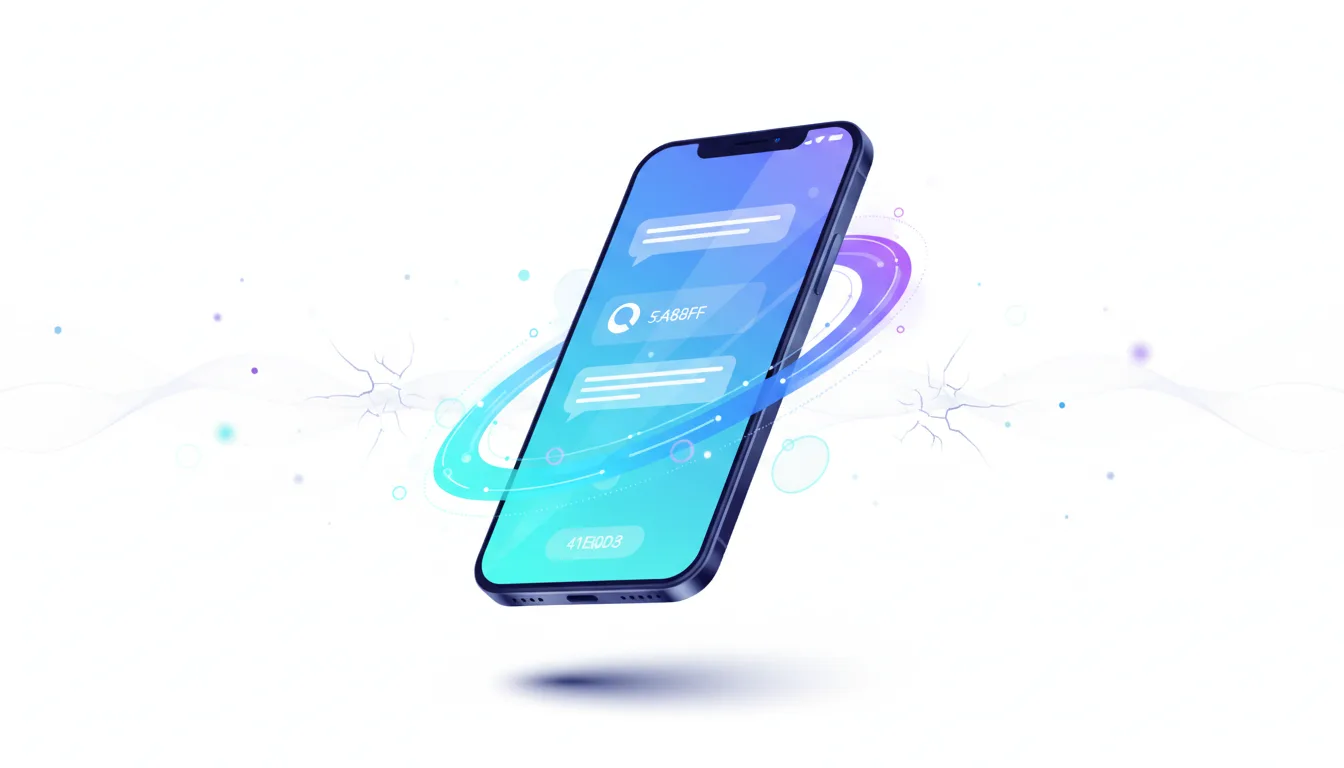
Have you ever wondered what happens when the way we chase down answers on our phones starts to feel more like chatting with a sharp friend than punching in keywords? Perplexity is bringing its AI-native browser, Comet, to the iPhone, escalating the war for the default entry point to information on mobile. This isn’t just a new app launch; it’s a direct challenge to the search bar hegemony of Google and the browser dominance of Apple, betting that users are ready to replace “searching” with “asking.”
Quick Take
- What happened: Perplexity has confirmed its AI-powered Comet browser will launch on iOS next month. Following its debut on Mac, the iPhone app will bring core features like AI-driven summarization, cited answers, conversational follow-up questions, and multimodal inputs (voice and camera) to Apple’s mobile ecosystem. From what I’ve seen in these announcements, it’s clear they’re not holding back on packing in the tools that make info feel immediate.
- Why it matters now: The move marks a critical escalation in the battle to become the primary “AI agent” on personal devices. By targeting the iPhone, Perplexity is moving beyond the desktop and aiming to redefine the mobile browsing experience, shifting the user’s starting point from a simple search query to a rich, conversational interaction with an answer engine. That said, it’s all about timing – right as everyone’s glued to their screens more than ever.
- Who is most affected: iPhone users evaluating new ways to access information, browser incumbents like Apple (Safari) and Google (Chrome) who risk being disintermediated, and developers building for the next generation of AI-native interfaces. Plenty of folks in those groups, really, stand to see their daily routines nudged in new directions.
- The under-reported angle: While most coverage focuses on the feature list, the real story is the fundamental tension between powerful, cloud-based AI and the inherent constraints of a mobile device. Success will be determined not by the slickness of the AI summaries, but by how Comet navigates the brutal realities of battery life, network data consumption, and Apple’s strict WebKit and privacy ecosystem – challenges that could make or break it in the long run.
Deep Dive
Ever catch yourself scrolling endlessly on your phone, wishing there was a quicker way to cut through the noise? Perplexity’s expansion to iOS is a calculated gambit to embed its “answer engine” into the fabric of daily mobile life. The app isn’t merely a web browser with AI features sprinkled on top; it’s a fundamental reimagining of the interface between a user and the internet. Instead of typing keywords and sifting through blue links, the promise of Comet is to deliver direct, synthesized answers with verifiable citations, powered by retrieval-augmented generation (RAG). This model – which combines LLMs with live web search – aims to solve the “hallucination” problem that plagues standalone chatbots and provides a layer of trust that traditional search struggles to deliver in a single view. I’ve noticed how that trust factor alone could sway users who’ve grown wary of endless link-hopping.
The launch places Comet in a direct collision course with a growing field of “intelligence-native” browsers and tools. It will compete not only with Apple’s Safari and Google’s Chrome – which are rapidly integrating their own AI enhancements – but also with innovators like The Browser Company’s Arc, which is also building an AI-centric mobile experience. The key differentiator for Perplexity is its laser focus on the “ask anything” utility, positioning itself as a replacement for the search engine itself, rather than just a better container for viewing web pages. The inclusion of cross-device sync with the Mac app suggests a broader strategy to build a sticky ecosystem around the Perplexity Pro subscription, creating a unified experience across a user’s devices. But here’s the thing: that ecosystem play could lock in loyalty, or it might feel like one more subscription to juggle.
However, the transition from desktop to mobile introduces significant technical and user-experience hurdles. On iOS, all browsers are mandated to use Apple’s WebKit rendering engine, leveling the playing field on pure page-loading speed. Comet’s success, therefore, hinges on the performance of its AI layer. Latency in generating answers, excessive battery drain from constant background processing or network calls, and high cellular data usage are all potential pitfalls that could alienate users accustomed to the hyper-optimized efficiency of native browsers. Perplexity’s official announcements highlight privacy controls, but the true test will come from independent audits of its data collection policies and network activity on-device – and honestly, those audits can’t come soon enough for skeptics like me.
This move forces a crucial question about the future of information access: will the next paradigm be owned by the operating system provider or the app-layer innovator? Apple is steadily building AI into the core of iOS, while Google is embedding its Gemini models across its product suite. Perplexity is betting that a superior, standalone experience can win user loyalty and become the go-to agent for knowledge discovery. The upcoming launch is less about a single app and more about a market-wide referendum on whether users are ready to hand over their primary information interface to a dedicated AI specialist. It’s a pivot point, one that leaves you pondering where we’ll all land.
Stakeholders & Impact
| Stakeholder / Aspect | Impact | Insight |
|---|---|---|
| AI / LLM Providers | High | Comet’s mobile presence provides a massive new distribution channel for Perplexity’s models, creating a valuable feedback loop for improving conversational search and RAG performance on real-world mobile queries – think of it as real-life testing that sharpens the edge. |
| Browser Incumbents | High | Apple (Safari) and Google (Chrome) face a significant threat. Comet’s UX attempts to disintermediate the classic search bar, potentially eroding a key entry point and revenue driver for Google, which could ripple through their whole setup. |
| iPhone Users | Medium-High | Users gain a powerful new tool but must weigh the benefits of AI-powered answers against potential trade-offs in battery life, privacy, and the learning curve of a new browsing paradigm. It’s a trade-off worth considering, especially if you’re picky about your phone’s staying power. |
| Apple (Platform Owner) | Significant | While benefiting from a vibrant App Store, Apple must watch closely. A highly popular AI agent like Comet could challenge its own ambitions to control the “intelligence layer” of iOS through Siri and on-device models – a subtle shift that might upend their careful balance. |
About the analysis
Researched and written with AI assistance under the editorial responsibility of the i10X News team. The title image is an AI-generated illustration. Read our AI Use Policy. Spotted an error? Request a correction.
This analysis draws from an independent i10x evaluation, pulling together official company announcements, industry news coverage, and our take on the AI infrastructure market. By zeroing in on missing benchmarks, competitive positioning, and those underlying platform constraints, this piece aims to help product leaders, developers, and strategists get a clearer picture of where AI-native user interfaces are headed – or at least, where they might stumble.
i10x Perspective
What if the browser we know is just the gateway to something far more intuitive? The arrival of Perplexity’s Comet on iOS feels like a landmark event, signaling that the abstract “AI agent” is materializing into a tangible product vying for the most valuable real estate in computing: the user’s home screen. The browser is simply the Trojan horse for a new interaction model. The defining tension of the next five years will be the battle between centralized, cloud-first agents like Perplexity and the decentralized, privacy-centric on-device intelligence being championed by platform owners like Apple. Watch this space not for who builds the best browser, but for who wins the right to be the user’s default brain – it’s a contest that’s only getting more intriguing.