Quick Take
Summary: As enterprise AI moves from prototypes to production, PydanticAI is emerging as the critical framework for building “bulletproof” agentic workflows, using typed schemas to enforce reliability and structure where LLM-driven chaos once reigned.
What happened: The developer ecosystem is rapidly standardizing on PydanticAI’s schema-first design pattern, a significant shift from ad-hoc prompt engineering to structured software development. This trend is a direct response to the core production pain points of unreliable outputs, vendor lock-in, and the high complexity of agent orchestration.
Why it matters now: With businesses demanding real ROI from AI investments, the era of fragile, unpredictable agents is over. Frameworks that enable deterministic testing, model-agnostic execution, and robust error handling are now essential table stakes for shipping any serious AI-powered application.
Who is most affected: Python developers, MLOps engineers, and technical architects. They are now empowered to apply proven software engineering principles—like typed interfaces, dependency injection, and continuous integration—to the previously wild and untamable world of generative AI.
The under-reported angle: While most coverage focuses on basic output validation, the real story is the rise of a complete production blueprint built upon PydanticAI. This stack integrates advanced patterns for evaluation, security, and observability (e.g., with Langfuse or OpenTelemetry) that are crucial for deploying and maintaining agents at scale, yet remain under-documented.
Deep Dive
Ever wonder why so many AI projects fizzle out right when they hit the real world? The AI industry has hit a wall, plain and simple. Generating creative text or code in a playground feels effortless, but try deploying those LLM-powered agents into actual production software pipelines, and suddenly you’re staring down a critical weakness: outputs that are unstructured, unreliable, and an absolute nightmare to integrate. This “prototype-to-production gap” – it’s stalled countless AI initiatives I’ve seen, where brittle agents shatter downstream systems and chip away at user trust bit by bit. At the heart of it, agents pieced together from basic prompting act more like unpredictable artists than the steady software components we all need.
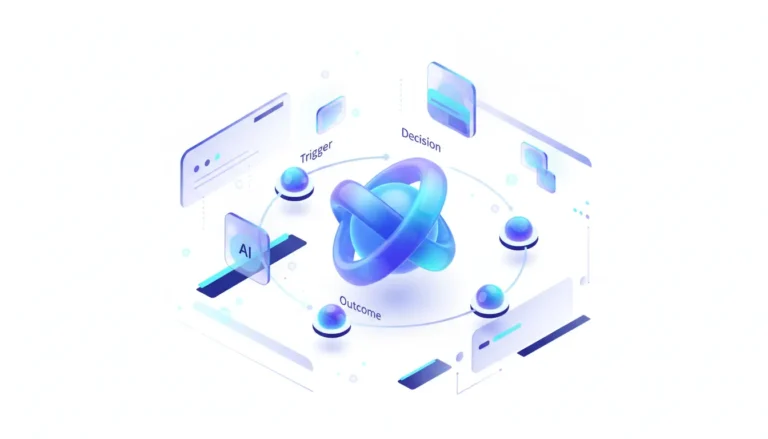
That’s where PydanticAI steps in, reframing the whole agent development process as a proper software engineering discipline. From what I’ve noticed in the trenches, developers aren’t just hoping for the best anymore; they define the exact output structure upfront with Pydantic’s familiar typed schemas. This schema-first approach turns into an enforceable contract with the LLM – if the model’s output strays from that defined JSON schema, with its precise fields, types, and constraints, it’s flagged as an error right away, not some silent failure that ripples through the app unnoticed. It adds this much-needed predictability, transforming what was once a liability into a solid, reliable data source you can actually count on.
But here’s the thing – it goes further than mere validation. This setup systematically breaks down vendor lock-in in ways that feel like a breath of fresh air. PydanticAI’s provider-agnostic adapters let you decouple the agent’s core logic from whatever specific LLM you’re running, so switching between OpenAI, Google, or Anthropic models takes minimal tweaks to the code. It’s not merely convenient; it’s a real strategic edge, letting teams route tasks based on cost, A/B test model performance, or layer in fallback logic to boost the system’s resilience overall – plenty of reasons to lean into it, really.
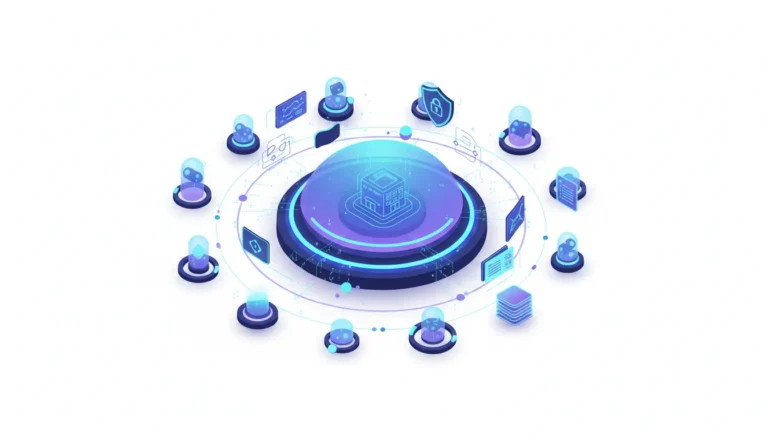
The biggest shift, though, lies in the ecosystem it’s sparking. The talk has evolved past basic tool use into something more complete, a full production-ready stack. Right now, there’s this market gap that early adopters are jumping to fill: crafting reference architectures for these agents. Think integrating PydanticAI with FastAPI for serving up endpoints, task queues for handling async jobs, evaluation pipelines as quality gates in CI/CD, and observability hooks to track agent behavior once it’s live. It’s the AI development lifecycle finally catching up to the solid practices we’ve long taken for granted in modern cloud-native software – and yeah, it’s exciting to watch that maturation unfold.
Stakeholders & Impact
| Stakeholder | Impact | Insight |
|---|---|---|
| AI / LLM Developers | High | Moves workflow from “prompt hacking” to structured software engineering with typed interfaces, validation, and testable components. |
| MLOps & Platform Teams | High | Enables the application of CI/CD, automated testing (evals), and standardized observability (tracing, metrics) to LLM applications for the first time. |
| Enterprises & Tech Leads | Significant | Reduces risk of deploying AI features by ensuring reliability and enabling model-agnostic strategies to control cost and avoid vendor lock-in. |
| LLM Providers (OpenAI, Google, etc.) | Medium | The focus shifts from just model performance to the quality of the developer ecosystem. Providers with seamless PydanticAI integration have a competitive edge. |
About the analysis
Researched and written with AI assistance under the editorial responsibility of the i10X News team. The title image is an AI-generated illustration. Read our AI Use Policy. Spotted an error? Request a correction.
This analysis is an independent synthesis based on i10x’s review of PydanticAI’s official documentation, code repository, and community tutorials. It is written for engineers, technical leads, and product managers responsible for building and deploying reliable, production-grade AI systems.
i10x Perspective
Have you sensed that shift in how we’re building with AI these days? The rise of schema-driven agent development marks the end of the “Wild West” phase in the LLM era – the market’s maturing, and the real competition is moving from raw model power to how smooth the developer experience feels and how robust the full AI stack turns out operationally. Frameworks like PydanticAI? They’re not just handy tools; they’re the foundational pieces for crafting a fresh breed of enterprise-grade software laced with real intelligence. That said, the key long-term tension we should keep an eye on is whether this drive for structure and reliability can play nice with the wild, creative spark that powers LLMs – or if it’ll end up reining in the very magic that drew developers to this space in the first place.