In the race to scale AI, the biggest move might not be building another hyperscale data center, but embedding intelligence directly into the metal on your desk. The rise of the “offline AI PC” marks a strategic pivot from the cloud-first model, creating a new battleground for privacy, performance, and control in the enterprise. While OEMs champion a future of on-device privacy, the reality introduces a complex new set of architectural trade-offs that IT leaders must now navigate—trade-offs that, from what I’ve observed, could redefine how we think about secure computing.
Quick Take
- Summary: PC manufacturers, led by HP, are aggressively marketing a new generation of AI PCs equipped with Neural Processing Units (NPUs) capable of running AI models locally. This on-device processing promises to tackle those nagging enterprise headaches—data privacy, cloud costs, and latency—by making sure sensitive information stays right where it is, on the endpoint, never venturing out.
- What happened: Lately, the market’s buzzing with a unified effort from hardware OEMs like HP and Dell, teaming up with software giants such as Microsoft via Copilot+, to shape what an “AI PC” really means: a device that handles substantial AI work—think file analysis, summarization, or even retrieval-augmented generation (RAG)—all without needing an internet connection. It’s the NPUs, those efficient, low-power chips built for inference, that make this possible.
- Why it matters now: Here’s the thing—this push signals a real fork in the road for how we deploy AI. Moving inference from those massive centralized cloud setups to spread-out endpoints doesn’t just challenge the big cloud players’ hold; it hands enterprises the reins for data sovereignty and cuts down on that constant tug toward external APIs. It’s a shift that’s got me pondering the long-term ripple effects on innovation.
- Who is most affected: Look to enterprises in tightly regulated fields like finance, healthcare, and legal—they stand to gain the most from this. Developers, too, have a fresh landscape to navigate when building AI apps. On the flip side, hardware and OS vendors get a shiny new selling point, while cloud heavyweights might watch some of their lucrative inference revenue slip away.
- The under-reported angle: Sure, the hype paints a picture of flawless privacy and zippy speeds, but the move to offline AI comes with its share of thorny issues that often fly under the radar. We’re talking noticeable dips in performance from those slimmed-down, quantized models; a real shortage of unbiased benchmarks pitting on-device accuracy against cloud setups; and the sheer headache of governing and securing a fleet of AI-loaded endpoints—plenty of reasons, really, to tread carefully here.
Deep Dive
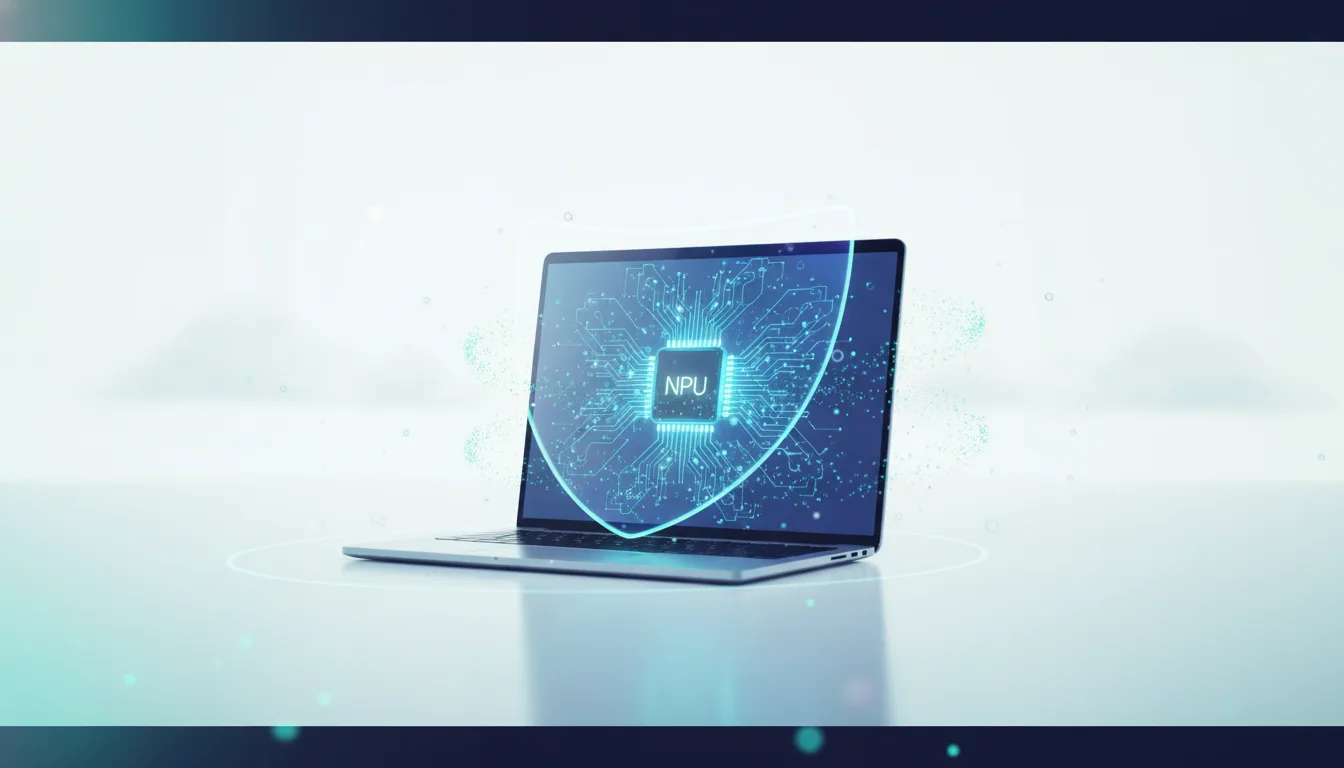
Have you ever wondered what it would be like to unleash AI power without the constant ping to a distant server? That’s the straightforward allure of the AI PC: handle robust AI right on your machine, lock down your data’s privacy, and finally ditch those pricey cloud API dependencies. Companies like HP are leaning hard into this story through their top brass, zeroing in on the mounting worries about data sovereignty and the hidden costs of cloud AI. And now, it’s getting baked straight into the chips with Neural Processing Units (NPUs)—these specialized processors that crank through AI models way more efficiently than your standard CPU or GPU ever could. Suddenly, your everyday office laptop isn’t just a workhorse; it’s got the built-in smarts to act as its own little intelligence hub.
This change flips AI from something you tap into centrally to a skill that’s scattered across devices—distributed, you might say, like branches on a tree. The big pitch from OEMs? Secure, local dives into sensitive files. Imagine an employee firing up a local “AI Companion” to sift through confidential docs, contracts, or financials, all without a whisper of that data heading off to some third-party cloud. It sidesteps compliance pitfalls under rules like GDPR and skips the drag of cloud latency that slows everything down. As folks at analyst groups like Techaisle have noted, the real business win here rests on three pillars: rock-solid privacy, slashed costs from dodging API bills, and real speed-ups for those back-and-forth tasks that demand quick responses.
But that said, flipping the switch to offline AI isn’t as easy as picking it up and dropping it elsewhere—it’s more like rewiring the whole setup. The buzz in marketing tends to skim past the gritty tech hurdles. Those on-device models? They have to be compact, often quantized to squeeze into a laptop’s limited power and memory, which means they might not match the sharp reasoning or accuracy of cloud behemoths like GPT-4 or Claude 3. I’ve noticed how vendor benchmarks leave a lot hanging, especially around this: When is “good enough” local AI all you need, and when do you really require the full muscle of a cloud model to get it right?
The real sticking point, though, isn’t the hardware—it’s the software layer and how you govern it all. True offline AI demands more than an NPU; think local vector databases for RAG, consistent model formats, and a solid IT dashboard for rolling out updates, audits, you name it, across the team. Security pros now face a shifted playing field—what about the telemetry from models, those crash reports, or even sneaky bad actors slipping in via on-device AI? Vendors like HP nod to solutions through things like Wolf Security, but in a world of mixed vendors, the details on endpoint AI governance are still fuzzy, leaving enterprises to swap one set of risks for another that’s harder to pin down. Down the line, I suspect we’ll land on hybrids, where devices smartly decide—based on sensitivity, complexity, or context—whether to lean on the local NPU or beam it to the cloud.
Stakeholders & Impact
| Stakeholder / Aspect | Impact | Insight |
|---|---|---|
| Enterprises & IT Leaders | High | They grab tighter control over data for privacy and compliance wins, yet—fair warning—it’s a new puzzle in endpoint governance, beefed-up security, and proving the payoff from that hardware upgrade cycle. |
| Cloud Providers (AWS, Azure, GCP) | Medium | Watch for some chipping away at those juicy AI inference revenues as work heads edgeward. It’ll push them toward beefier roles in training, fine-tuning, and crafting big hybrid AI services that bridge the gap. |
| Hardware OEMs (HP, Dell, Apple) | High | This AI PC wave sparks a vital refresh boom and sets them apart in the pack. But thriving? That hinges on weaving together a strong software ecosystem and tools that get developers excited about their NPUs. |
| Software Developers | High | Suddenly, there’s this whole new playground for deployment. Folks will need to master building, quantizing, and tweaking models to run smoothly on-device, wrestling with NPU limits and tight memory—tricky, but full of potential. |
| Regulators & Policy | Significant | Framing on-device AI as a privacy booster (think PETs) could ease data residency headaches and even nudge upcoming AI rules in a friendlier direction for edge tech. |
About the analysis
Researched and written with AI assistance under the editorial responsibility of the i10X News team. The title image is an AI-generated illustration. Read our AI Use Policy. Spotted an error? Request a correction.
This comes from i10x’s independent take, piecing together OEM specs, chats with execs, press drops, and reports from third-party analysts. We stack vendor promises against the real holes in AI dev tools and enterprise governance—gaps that matter. Tailored for CTOs, architects, and product heads mulling that pivot from cloud-only to a more blended AI setup.
i10x Perspective
Ever feel like the offline AI PC hype is more than just a gadget refresh? You’re spot on—it’s a direct shot at upending the cloud-dominated AI world that’s ruled the past ten years. By offering a solid, privacy-focused way to run inference right at the edge, hardware players are shaking up where AI’s real value gets born and bottled.
It splinters the field, really. The fight for AI supremacy isn’t solely about owning the largest cloud models anymore; it’s shifting to who nails the most practical, easy-to-handle smarts on everyday devices. For the coming half-decade, that push-pull between cloud’s brute force and the edge’s perks in privacy, savings, and quickness will define things. In the end, though, it won’t be one or the other claiming victory— it’ll be the smart hybrids that mix the strengths without the seams showing, paving a smoother path forward.