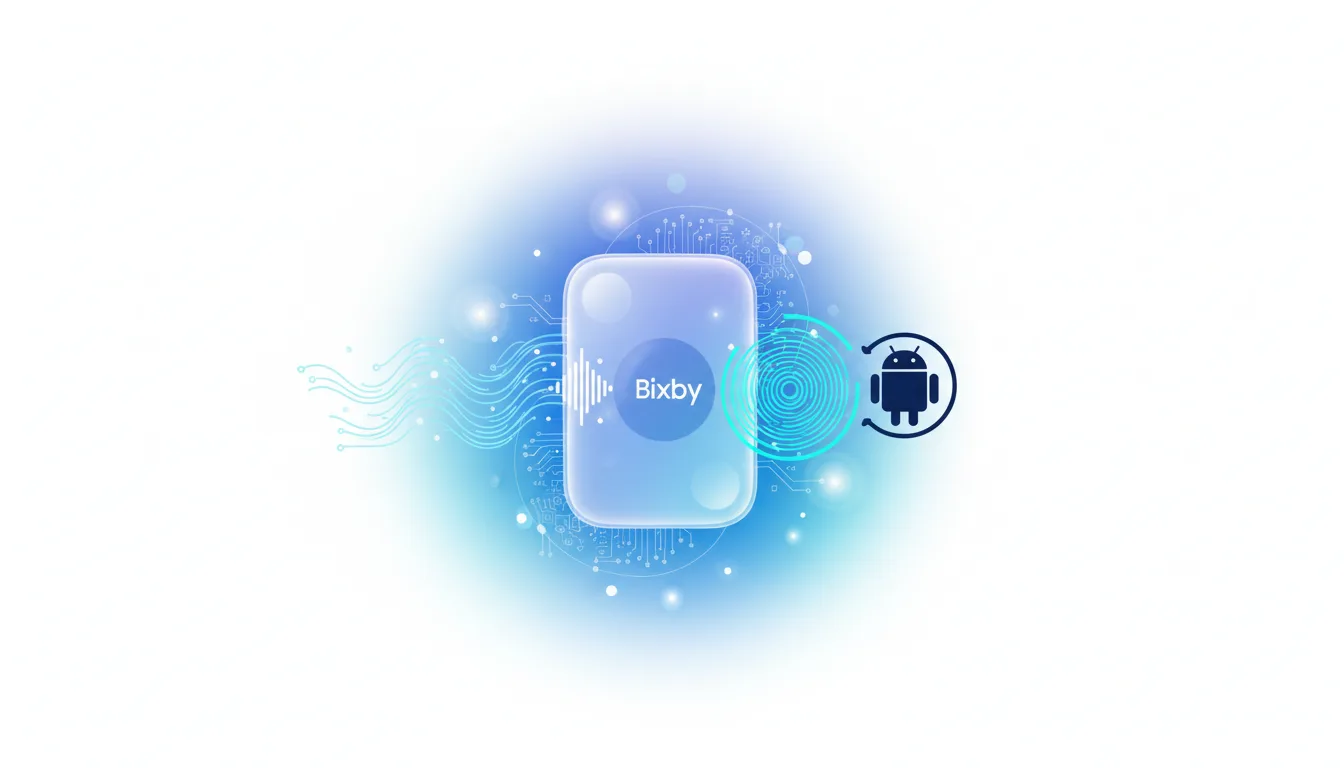
Samsung’s move to weave Perplexity’s AI search engine right into its Bixby voice assistant feels like a bold reconfiguration—one aimed squarely at pushing back against Google’s Gemini dominance on Android and building out a stronger AI layer across its vast hardware lineup. This goes beyond a simple tweak; it’s about loosening ties to cloud-heavy systems and carving out more on-device autonomy, hinting at fresh ways hardware giants might duke it out in the AI landscape.
Quick Take
- Summary: From what I’ve seen in leaked beta versions of Samsung’s One UI 8.5, Bixby is set to hand off those trickier, info-heavy queries to Perplexity AI. It’s a smart hybrid setup—Bixby sticks to the basics on your phone, like saying “turn on Wi-Fi,” while Perplexity jumps in for the real-time, backed-up responses to bigger asks, such as “plan a three-day trip to Lisbon with a focus on local cuisine.”
- What happened: Samsung’s gearing up for a big Bixby refresh, debuting in the One UI 8.5 beta, that pulls in Perplexity’s tech directly. If your question needs fresh data or some deep digging, Bixby routes it over to Perplexity and brings back a sourced reply, all within its own interface—no detours needed.
- Why it matters now: Ever wonder why Samsung couldn’t let Bixby fade into the background while Google shoves Gemini everywhere on Android and Apple rolls out its “Apple Intelligence”? This tie-up with Perplexity is a no-nonsense fix—quickly delivering top-tier research smarts without handing the reins to Google or sinking years into crafting their own LLM. It’s a vital step to safeguard that hardware edge, especially with the Galaxy S26 on the horizon.
- Who is most affected: Galaxy owners stand to gain the biggest boost right away, with a much sharper assistant at their fingertips. Perplexity AI scores huge here too—a prime spot to reach hundreds of millions of devices. And for Google? This is a straight-up challenge, stirring up real AI rivalry on its home turf Android.
- The under-reported angle: Sure, headlines are calling it a “Bixby revival,” but the real story runs deeper—Samsung’s crafting this hybrid, pieced-together assistant that keeps Bixby as the on-device handler for hardware ties while farming out the smarts to a cloud pro. That kind of modular thinking? It might just set the pattern for other device makers short on their own full AI setups, plenty of reasons to watch closely.
Deep Dive
Have you ever used Bixby and felt it was solid for the basics but just couldn’t keep up with the real conversational heavy lifting? That’s been Samsung’s voice assistant for years now—reliable for device tweaks, yet lagging behind Google Assistant or Alexa when it came to pulling in knowledge or chatting naturally. It created this obvious gap in their whole setup. Bringing in Perplexity AI? It’s no quick fix; it’s more like giving Bixby a full intellectual overhaul to tackle its main shortfall and stand toe-to-toe with Gemini.
The setup they’re rolling out strikes me as straightforward, almost refreshingly so: Bixby stays the built-in core for Galaxy gear—think starting timers, launching apps, or juggling settings. Then Perplexity steps up as the linked-up research powerhouse, drawing on its real-time Retrieval-Augmented Generation (RAG) for precise, cited answers. By teaming with them, Samsung dodges the nightmare of developing a top-shelf search engine from the ground up. Suddenly, Bixby shifts from basic remote control to something you can actually lean on for serious inquiries – and fast.
But here’s the thing: this is all happening amid a fierce AI showdown. Google’s threading Gemini through every bit of Android, risking sidelining everyone else’s assistants. Apple’s “Apple Intelligence” locks things down tighter with on-device magic and smooth flows. Samsung’s Perplexity play carves out a middle path—steering clear of total reliance on Google, while skipping the drawn-out, pricey build of their own large language model. It keeps them in the game today, not tomorrow.
And it doesn’t stop at phones, either—the plan stretches to Samsung’s entire gadget world, from tablets and smartwatches to TVs and even those connected fridges where Perplexity’s already been trialed. A beefed-up Bixby could tie the SmartThings network together better, making the whole experience stickier and more engaging than what Apple or Google offer right now. That said, we can’t overlook the rollout hurdles that coverage often glosses over – those could make or break it.
Take privacy, for instance: how will data shuffle between Samsung and Perplexity without raising eyebrows? Or performance – will cloud pings slow things down, drain the battery, or falter offline? And the money side? Might they push Perplexity Pro extras as paid add-ons, splitting the assistant into levels? These unknowns are where the real work – and potential snags – lie ahead.
Stakeholders & Impact
| Stakeholder / Aspect | Impact | Insight |
|---|---|---|
| Samsung | High | Gives Bixby an instant capability jump, offering a solid counter to Gemini and bolstering the hardware lineup against big platform threats. |
| Perplexity AI | High | Lands a distribution jackpot, slipping its search engine to hundreds of millions and cementing a spot in the “ingredient AI” space. |
| Significant | Now dealing with sharp, on-the-ground rivalry within Android – this could nudge other makers toward non-Google AI options. | |
| Galaxy Users | High | Get a way more potent built-in assistant, though it brings fresh worries over data privacy and queries heading to outside services. |
| The AI Assistant Market | Medium | Points to a trend of mixed, specialized setups where device handling and info gathering split across tailored tools. |
About the analysis
Researched and written with AI assistance under the editorial responsibility of the i10X News team. The title image is an AI-generated illustration. Read our AI Use Policy. Spotted an error? Request a correction.
I’ve pulled this i10x breakdown from public leaks, beta dives, and chats in tech circles – aimed at folks in tech leadership, product planning, or dev work who want the bigger picture on how AI weaves into giant hardware worlds.
i10x Perspective
What strikes me most about Samsung linking up with Perplexity is how it underscores that AI assistants might not end up as all-in-one giants. We’re heading into a time of breaking things apart, plugging in top specialized engines like building blocks. Bixby evolves here from standalone tool to a flexible base – the on-device runner that swaps in cloud brains as needed.
Still, the big question lingers: can this partnering style match the effortless unity of Apple’s or Google’s all-in-house systems? It amps up Samsung’s edge short-term, sure, but adds layers of reliance and possible disjointedness for users. Right now, it’s a sharp maneuver – yet the real winners will craft ecosystems that just feel right overall, beyond the flashiest answers.