A growing backlash dubbed “AI Delirium” is sweeping through developer communities as software engineers push back against corporate mandates forcing artificial intelligence into every workflow. Sparked by viral discussions among software professionals, the sentiment highlights a critical friction point in the enterprise AI rollout: the clash between management’s push for “prompt-first” productivity and developers’ concerns over code accountability, technical debt, and the erosion of foundational engineering skills.
Quick Take
- The spark: Developers are actively seeking out employers who don’t mandate LLM usage for every task, using the phrase “AI Delirium” to describe prompt-obsessed management cultures.
- The core friction: There is a growing disconnect between executive expectations of fully AI-driven development pipelines and the reality of maintaining accountable, production-ready code.
- The casualty: Junior developers are bearing the brunt of the shift, with critical learning opportunities being replaced by expectations of instant, AI-generated output.
- Why it matters now: As AI vendors aggressively push enterprise tooling, developer fatigue threatens to slow down integration if these models are treated as mandatory replacements for engineering autonomy rather than optional accelerators.
What happened
Over the past few months, a distinct shift in developer sentiment has surfaced across industry forums, most notably in viral peer-to-peer inquiries asking if anyone has “escaped the AI delirium.” Software engineers are reporting a sudden, intense workplace pressure to integrate AI into nearly every daily task. Instead of treating tools like GitHub Copilot or enterprise LLM wrappers as optional productivity aids, management at many tech companies is increasingly mandating their use.
The conversation reveals that some organizations are attempting to transition to fully AI-driven development pipelines. In these environments, the traditional software engineering process is being aggressively compressed. Developers report losing autonomy over their workflows, with managers increasingly framing complex engineering problems as issues that should simply be solved with a single, well-crafted prompt.
Simultaneously, engineers are raising alarms about the practical realities of deploying AI-generated code. Debates are flaring up around service ownership, failure modes, and what happens when developers are held accountable for code they merely prompted rather than authored and fully understood.
Why it matters now
This grassroots developer pushback is a crucial reality check for the broader AI infrastructure and tooling market. Companies like Microsoft, Google, Anthropic, and OpenAI are banking on enterprise software development as a primary monetization engine to justify massive data center and GPU expenditures. If the actual end-users—the developers—begin actively filtering job opportunities to avoid “AI-mandated” cultures, the top-down enterprise sales motion will face severe internal friction.
Furthermore, “AI Delirium” exposes a looming crisis in code accountability and technical debt. When management enforces prompt-first workflows, the focus shifts entirely from code understanding to code production. Developers are warning about who owns the failure modes when deployed, AI-generated code breaks—especially when junior engineers are no longer learning the foundational logic required to debug complex systems.
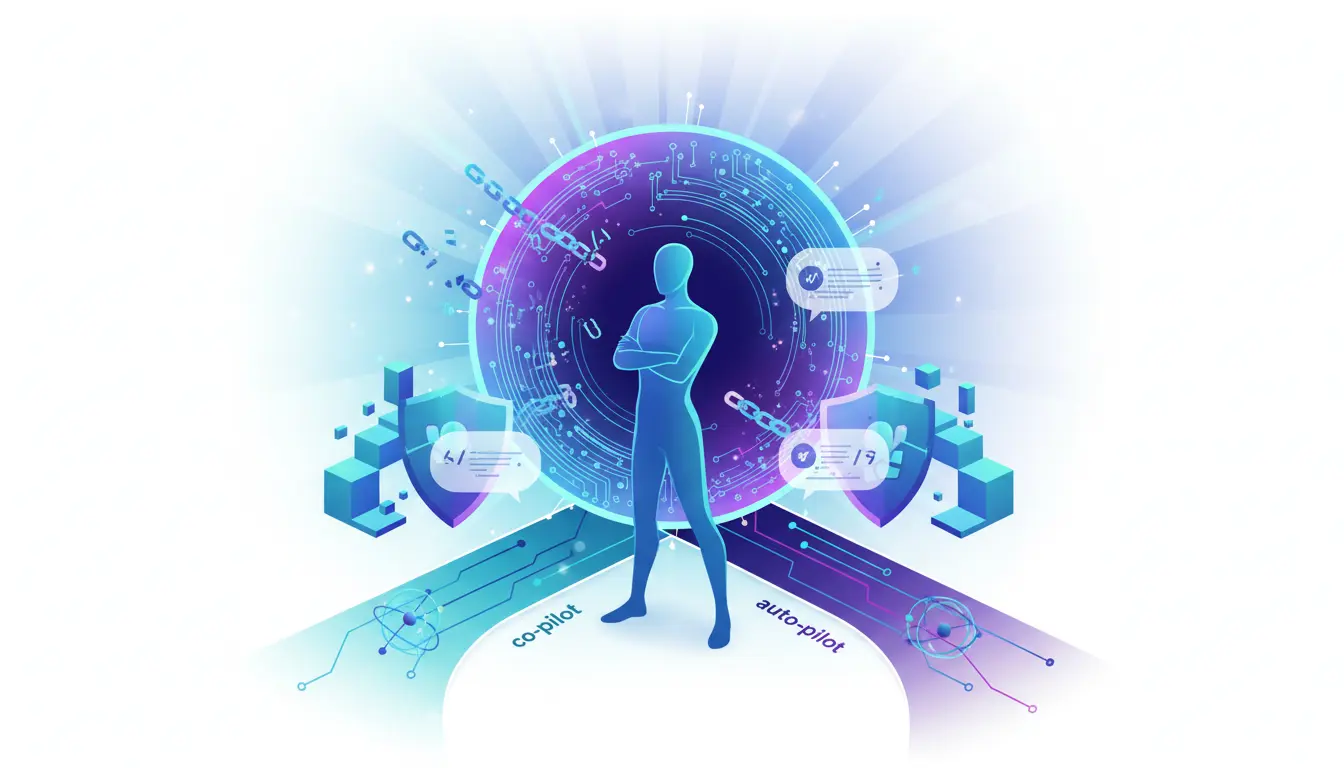
This tension forces a re-evaluation of how intelligence is distributed in the workplace. The market is currently split between viewing LLMs as “co-pilots” (assistants that preserve human agency) and “auto-pilots” (pipelines that sideline human reasoning). The rising developer backlash heavily penalizes the latter, signaling that productivity tools that erode engineering ownership will ultimately be rejected by top talent.
Who is most affected
| Stakeholder | Impact | Why |
|---|---|---|
| Junior Developers | Severe skill erosion | Foundational problem-solving is bypassed by managerial expectations to simply “prompt” a solution. |
| Senior Engineers | Increased accountability risk | Tasked with reviewing, debugging, and owning the failure modes of AI-generated code they didn’t write. |
| Engineering Leadership | Retention challenges | Top talent is beginning to screen potential employers based on developer autonomy and “AI-optional” cultures. |
| AI Tooling Vendors | Adoption friction | Forced corporate mandates create tool fatigue and resentment, threatening long-term user engagement and renewal rates. |
About the analysis
Researched and written with AI assistance under the editorial responsibility of the i10X News team. The title image is an AI-generated illustration. Read our AI Use Policy. Spotted an error? Request a correction.
This is an independent, research-based i10x analysis designed for CTOs, engineering leaders, and AI tooling founders tracking enterprise adoption friction and developer sentiment.
i10x Perspective
The “AI Delirium” phenomenon signals the end of the honeymoon phase for enterprise LLM deployment. As AI shifts from a novel capability to a corporate mandate, the primary bottleneck is no longer GPU supply or model intelligence—it is human workflow integration. Companies that treat AI as a rigid, prompt-first assembly line will likely bleed top engineering talent to organizations that treat AI as a flexible, opt-in accelerator. Ultimately, the winners in the AI tooling race won’t just build the smartest models; they will build the ecosystems that respect developer autonomy and preserve clear lines of engineering accountability.