Wearables Meet Gemini: Oura Users Building DIY Health Pipelines
⚡ Quick Take
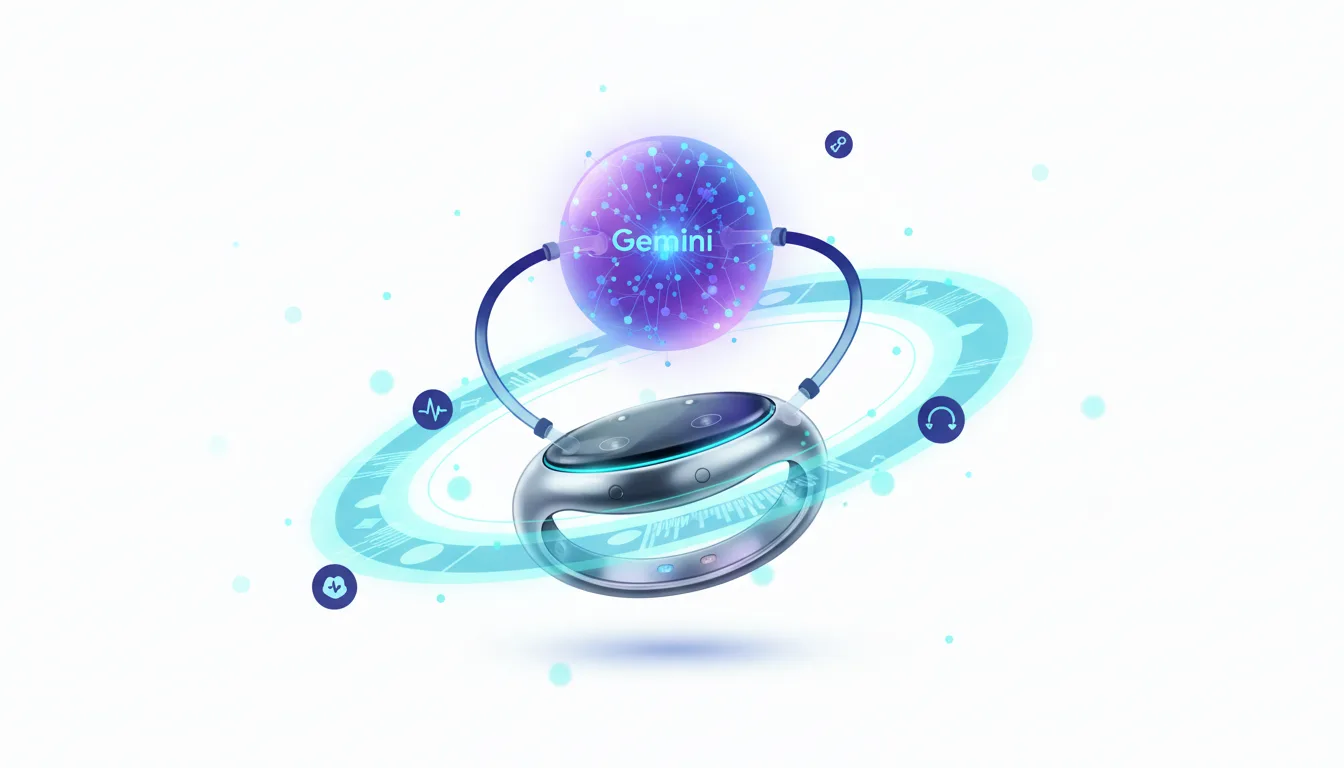
Wearable power users are bypassing Oura’s native app, building DIY-pipelines to feed their raw health data directly into Google’s Gemini. This grassroots movement signals a major shift, transforming general-purpose LLMs into on-demand personal health analysts and challenging the closed ecosystems of wellness gadgets.
Summary: Have you ever wished your fitness tracker could dig deeper into your patterns, beyond the basics? That’s exactly what’s unfolding—a trend where Oura Ring owners turn to free, low-code tools to export sleep, activity, and readiness data straight to Google’s Gemini AI. It opens up richer, more tailored insights than the standard Oura app offers, almost like having a “personal AI data scientist” right there to fine-tune your wellness routine.
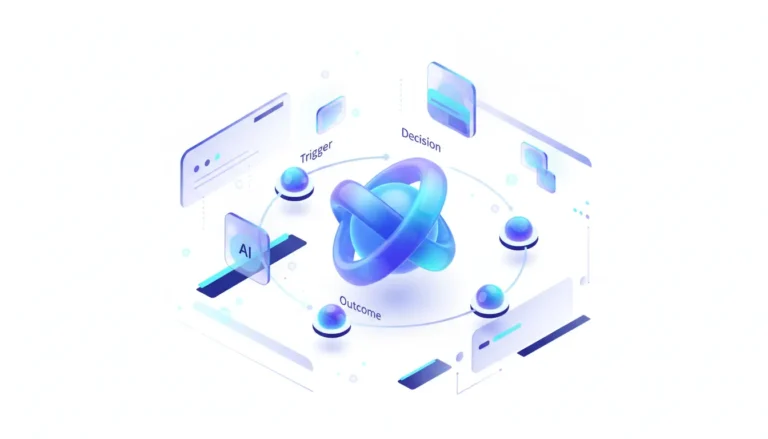
What happened: From what I’ve seen in these communities, users are piecing together data pipelines with a mix of approaches—the Oura API for direct pulls, Google Health Connect to sync things smoothly, or even straightforward CSV exports dumped into Google Sheets. Once that’s set, their detailed health metrics become fair game for Gemini. With some custom prompts in hand, they query for long-term trends, link daily habits to recovery scores, or whip up weekly summaries geared toward goals like ramping up athletic training or dialing down stress. It’s clever, really.
Why it matters now: But here’s the thing—this setup is handing over sophisticated time-series analysis to everyday folks. What used to demand a full-time data scientist? Now it’s within reach for anyone with a bit of tech know-how and an LLM subscription. And it spotlights a real market shortfall: most wearables’ built-in analytics just aren’t matching the muscle of these general-purpose AIs.
Who is most affected: Oura Ring users, along with folks on other wearables, suddenly get to squeeze way more value from their gear—deeper layers they might have missed. For companies like Oura and its rivals, though? It’s a double-edged sword—a wake-up call that their native insights fall short, but also a blueprint for rolling out premium AI features down the line. Google benefits too, proving Gemini’s chops right in its own backyard, like Sheets and Apps Script.
The under-reported angle: Everyone’s buzzing about the “how-to” side of this hack, which makes sense—it’s exciting stuff. Yet the quieter worry, the one that keeps me up sometimes, is privacy. You’re funneling highly personal data—those long stretches of biometric timelines—into a broad AI model where data handling isn’t crystal clear. Retention policies? Usage details? It’s a blind spot on security and privacy that could trip us up if we’re not careful.
🧠 Deep Dive
Ever feel like your wearable’s insights are playing it too safe, skimming the surface of what your body’s really telling you? That’s the frustration drawing more Oura Ring users to roll up their sleeves and connect their data to something like Google’s Gemini. They’re crafting this “personal AI analyst” on their own terms—the kind wellness apps have promised but haven’t quite nailed yet. And it’s not just firing off a quick “how’d I sleep last night?” to a chatbot; no, they’re wiring up ongoing, low-code pipelines to sift through their full biometric backstory with real queries that hit home.
It taps right into today’s digital undercurrents, the kind of tech plumbing that’s everywhere if you look. Pull from the Oura API, layer in Google Health Connect for that seamless sync—or keep it simple with CSV files landing in Sheets. Data structured and ready, and suddenly you’re your own data whiz. Prompt a look at HRV shifts tied to workout pushes, spot how a late snack tanks your sleep quality, or automate those weekly rundowns that could cost a fortune from a pro coach. Plenty of reasons this feels like a game-changer, a sneak peek at personal data feeds powering AI sidekicks instead of those boxed-in apps we’re stuck with now.
That said, it’s stirring up some real friction across the wearable world—Oura, Whoop, the whole crowd with their shiny hardware and apps that look great on paper. Their big sell is getting undercut by the raw brainpower of general AI, plain and simple. Users want the reins, crave analysis that’s laser-focused on their aims, and companies like Google are stepping in without even trying. It’s pushing wearables to loosen up their platforms or hustle toward beefier, in-house AI tools—otherwise, they risk fading into just glorified data grabbers.
Still, this whole DIY push carries a hefty catch—one that’s too often brushed aside in the hype: privacy risks that hit hard. Guides out there skip the fine print on security when you’re streaming years of health details to a commercial LLM. Google’s take on data retention for these chats? Any chance it’s feeding the models? Lacking solid, upfront protections—a true “privacy-first” setup—means you’re swapping gold-standard insights for some serious exposure. It muddies the waters between your private health logs and the wild west of AI platforms, and that’s a line we can’t afford to blur lightly.
📊 Stakeholders & Impact
| Stakeholder / Aspect | Impact | Insight |
|---|---|---|
| AI / LLM Providers (Google) | High | A powerful, organic use case for Gemini that showcases its analytical prowess on real-world time-series data and reinforces the value of the Google ecosystem (Sheets, Health Connect). |
| Wearable Vendors (Oura) | High | This trend is both a threat—exposing the limitations of their native analytics—and a valuable roadmap for a future premium “AI Insights” tier to prevent user churn. |
| Power Users / Quantified Self | High | Empowers users to extract far more value from their data, but also forces them to become their own data stewards, managing complex setups and assuming significant privacy risks. |
| Regulators & Data Privacy | Medium | This blurs the line between consumer wellness and self-directed health analysis, raising questions about data portability, consent, and the security standards for AI processing of PII health data. |
✍️ About the analysis
Researched and written with AI assistance under the editorial responsibility of the i10X News team. The title image is an AI-generated illustration. Read our AI Use Policy. Spotted an error? Request a correction.
This analysis is an independent i10x synthesis based on emerging coverage, online community discussions, and identified content gaps. It is written for product leaders, engineers, and strategists in the AI and health-tech sectors to understand the collision of personal data, wearables, and generative AI.
🔭 i10x Perspective
What if this Oura-Gemini mashup is just the opening act for apps fading into the background? I’ve been mulling that over—it’s pointing to a world where we don’t bounce between isolated tools anymore, but channel life’s raw feeds (health metrics, money flows, daily chats) into one central AI companion for the full picture. This user-driven wave? It’s the early trials for a personal AI shake-up. The real puzzle for the years ahead isn’t if it’ll catch on, but who steps up to craft those safe, reliable “data vaults”—letting us grab AI’s smarts without handing over our privacy to the very systems analyzing it.