Quick Take
Anthropic has introduced the Model Context Protocol (MCP), an open standard designed to create a universal language for how AI models connect to external tools and data. This isn’t just a new developer tool; it’s a strategic move to standardize the chaotic landscape of AI integrations, potentially creating the “HTTP for AI agents” and challenging the proprietary ecosystems of rivals like OpenAI.
Summary: The Model Context Protocol (MCP) is an open-source framework, initiated by Anthropic, that standardizes the communication between AI models (clients) and external data sources or tools (servers). It uses a JSON-RPC 2.0 foundation to create a secure, two-way, and interoperable connection, abstracting away the complexity of custom one-off integrations—those patchwork solutions that often break when you least expect it.
What happened
Why it matters now
As AI shifts from simple chatbots to full-fledged autonomous agents, reliable interactions with the outside world are essential. MCP marks a turning point by moving from brittle, custom APIs to a standardized approach. This can reduce development overhead, tighten security, and foster an ecosystem where tools are not locked to a single AI provider. It directly challenges closed systems like OpenAI’s Actions, increasing pressure on platform vendors to choose between open interoperability and proprietary lock-in.
Who is most affected
Developers gain a stable foundation to build on without crafting custom connectors for every LLM. Enterprises get a governable and auditable framework that helps with compliance. AI model providers face a strategic choice: adopt an open standard like MCP or double down on proprietary ecosystems that retain control over integrations and users.
The under-reported angle
Beyond implementation details, the bigger issue is governance and control of the emerging agent economy. MCP aims to be the bedrock protocol for how AI interfaces with systems and data, but important gaps remain—particularly around comprehensive threat models and standardized observability. How those are addressed will determine whether MCP is trusted at enterprise scale.
Deep Dive
The current AI tool-integration landscape feels like the early internet: promising but full of incompatible wires. Developers today stitch LLMs to external APIs with one-off function-calling logic, webhooks, and prompt engineering tricks. The result is brittle integrations, mounting technical debt, and a surface area full of security pitfalls. Every new tool or data source means another custom connector, slowing progress toward robust agentic systems.
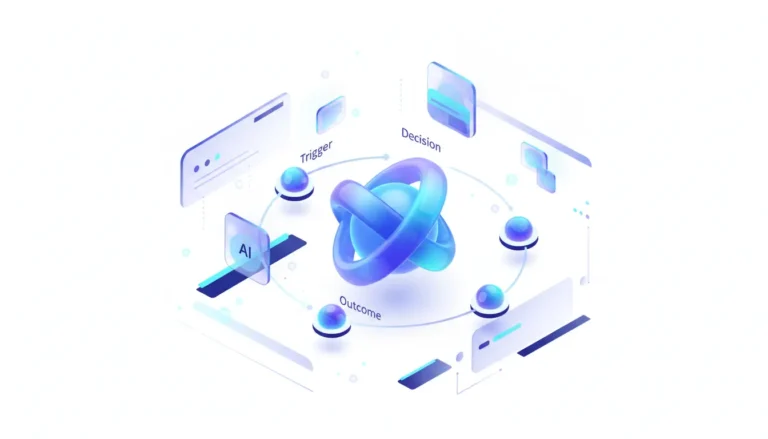
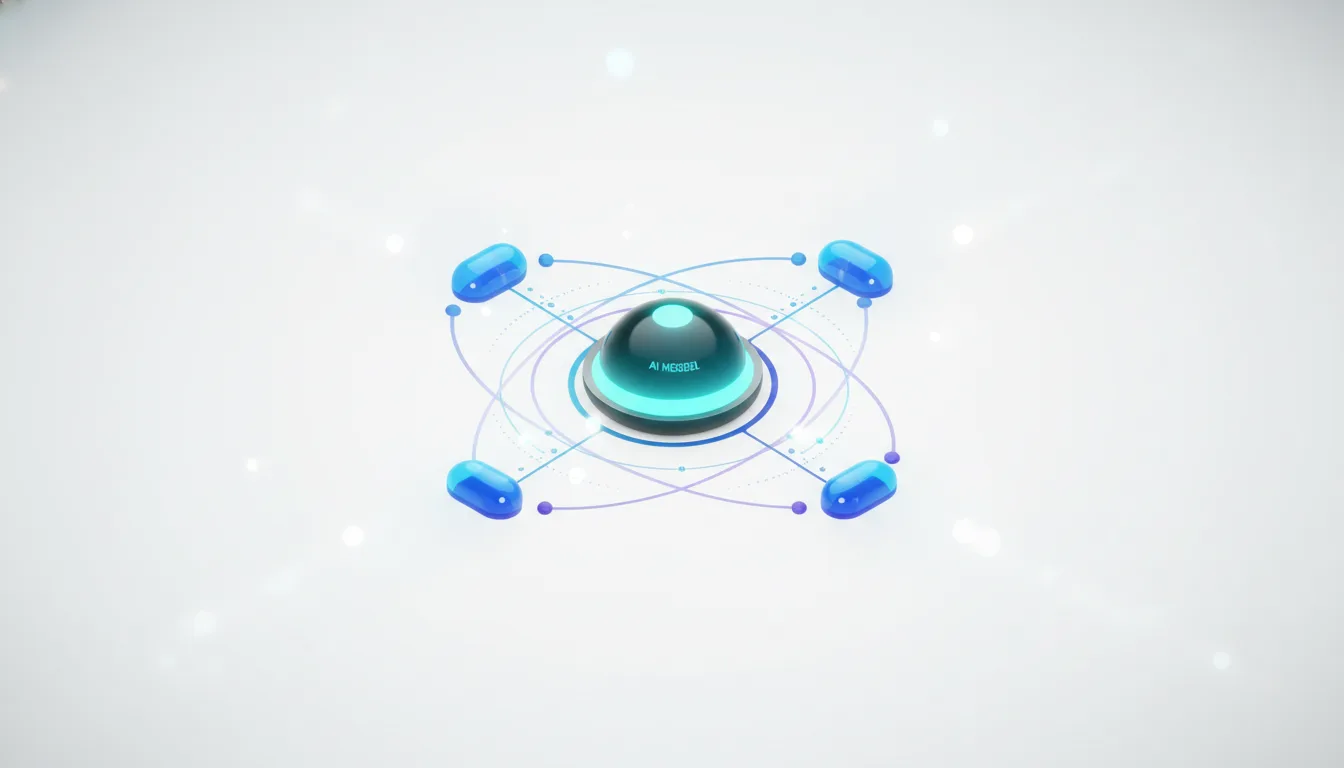
The Model Context Protocol (MCP) aims to smooth that path by imposing structure on these interactions. At its core, MCP defines a client-server model: an AI application, the MCP Client, communicates with a tool or data source, the MCP Server, via a consistent JSON-RPC 2.0 message format. MCP introduces concepts such as Resources for contextual data and Tools for actions the AI can trigger, and—critically—includes a permissions model requiring the AI to request explicit “scopes” before accessing capabilities.
That permissions flow gives you an auditable consent process missing from ad-hoc function calls. Unlike one-way function invocations, MCP supports a stateful, bidirectional channel for ongoing exchanges. That design suits more advanced agentic flows—like complex Retrieval-Augmented Generation (RAG) pipelines—that need reliable, sustained interactions rather than isolated pings.
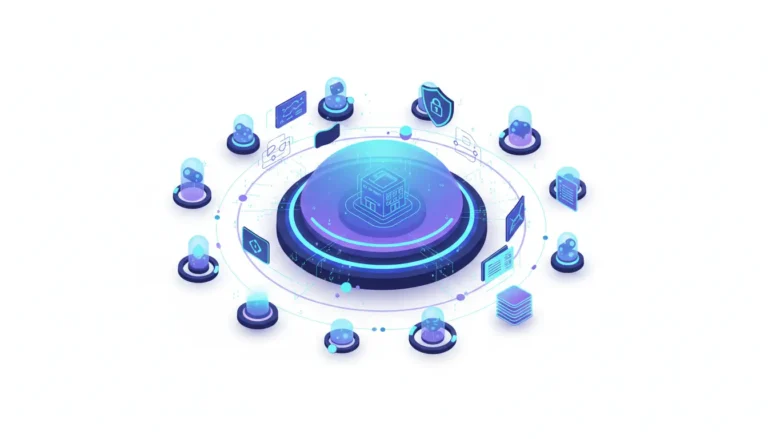
Frameworks that currently manage tools, such as LangChain and LlamaIndex, could benefit by adopting MCP as a uniform backend. For tool providers, MCP is an attractive proposition: implement one MCP-compliant server and become accessible to any model in the network, reducing vendor lock-in and repeated engineering effort. The open-standard framing, backed by partners like Google Cloud, is a deliberate counterpoint to proprietary approaches from vendors like OpenAI.
Adoption is the linchpin. MCP’s value depends on broad participation from model providers, cloud platforms, tool vendors, and open-source frameworks. Without momentum, MCP risks becoming another unused standard; with momentum, it could become the plumbing for an interoperable agent ecosystem.
Stakeholders & Impact
| Stakeholder / Aspect | Impact | Insight |
|---|---|---|
| AI / LLM Providers | High | Providers face a choice: back an open standard to boost interoperability or favor proprietary tooling (e.g., OpenAI Actions) to retain developer and user mindshare—this decision will shape their competitive edge. |
| Tool & API Providers | High | One MCP server can reach many compliant models, reducing integration cost and complexity—an efficiency win in a crowded market. |
| Developers & Enterprises | High | Developers get a reusable protocol that accelerates time to market. Enterprises gain governance, audit trails, and security controls for day-to-day AI tool usage. |
| Open Source Agent Frameworks | Significant | Frameworks like LangChain and LlamaIndex could standardize on MCP as a backend, simplifying tool orchestration and enabling model-agnostic integrations. |
About the analysis
Researched and written with AI assistance under the editorial responsibility of the i10X News team. The title image is an AI-generated illustration. Read our AI Use Policy. Spotted an error? Request a correction.
This is an independent analysis by i10x, drawn from a review of the official Model Context Protocol specifications, Anthropic’s launch materials, and technical docs from partners such as Google Cloud and IBM. It’s written for developers, enterprise architects, and product leaders navigating the evolving AI tooling and infrastructure landscape.
i10x Perspective
The Model Context Protocol is more than a technical spec; it’s laying down the plumbing for where agentic AI is headed. Much like REST or GraphQL standardized app-server communication, MCP aims to tame the chaos of how smart systems interact with tools and data.
Whether it takes off could well decide if the coming years bring an open, woven network of AI agents chatting freely—even across providers—or a splintered mess of locked-down silos. The real hurdle isn’t the technology itself but overcoming sluggish adoption. Watch which major AI labs and cloud providers endorse MCP—their commitments will reveal who is shaping AI’s interactive future.