The internet’s latest get-rich-quick meta is masking a profound shift in artificial intelligence: the transition from conversational LLMs to autonomous, tool-wielding AI agents. Viral tutorials promising millionaire status have sparked a wave of creators and non-technical founders who are weaponizing models like Claude and ChatGPT—alongside infrastructure like the Model Context Protocol (MCP)—to build automated micro-agencies that sidestep traditional enterprise software cycles entirely.
Quick Take
- What happened: Consumer platforms like YouTube are suddenly saturated with long-form blueprints on building revenue-generating AI agents, moving beyond prompt engineering into live software orchestration.
- The technology: Non-technical operators are utilizing Claude, ChatGPT, and agent-ops frameworks to string together scheduling, payment, and email APIs without writing code.
- The tension: There is a stark divide between enterprise definitions of agentic AI (like IBM’s cautious workflow mapping) and the creator economy, which is aggressively testing unproven agent autonomy in live commercial environments.
- Why it matters now: This grassroots explosion acts as massive, decentralized QA testing for the “agentic layer,” pushing LLM providers to solve critical failure points like agent hallucinations, rogue actions, and broken tool integrations.
What happened
The narrative around generative AI monetization has shifted sharply from “starting a newsletter” to “deploying an autonomous workforce.” Highly visible creator content—such as 90-minute live demonstrations detailing how to build an AI agent business—is mainstreaming the concept of agentic architecture. These aren’t just custom chatbots; they are systems designed to execute multi-step workflows.
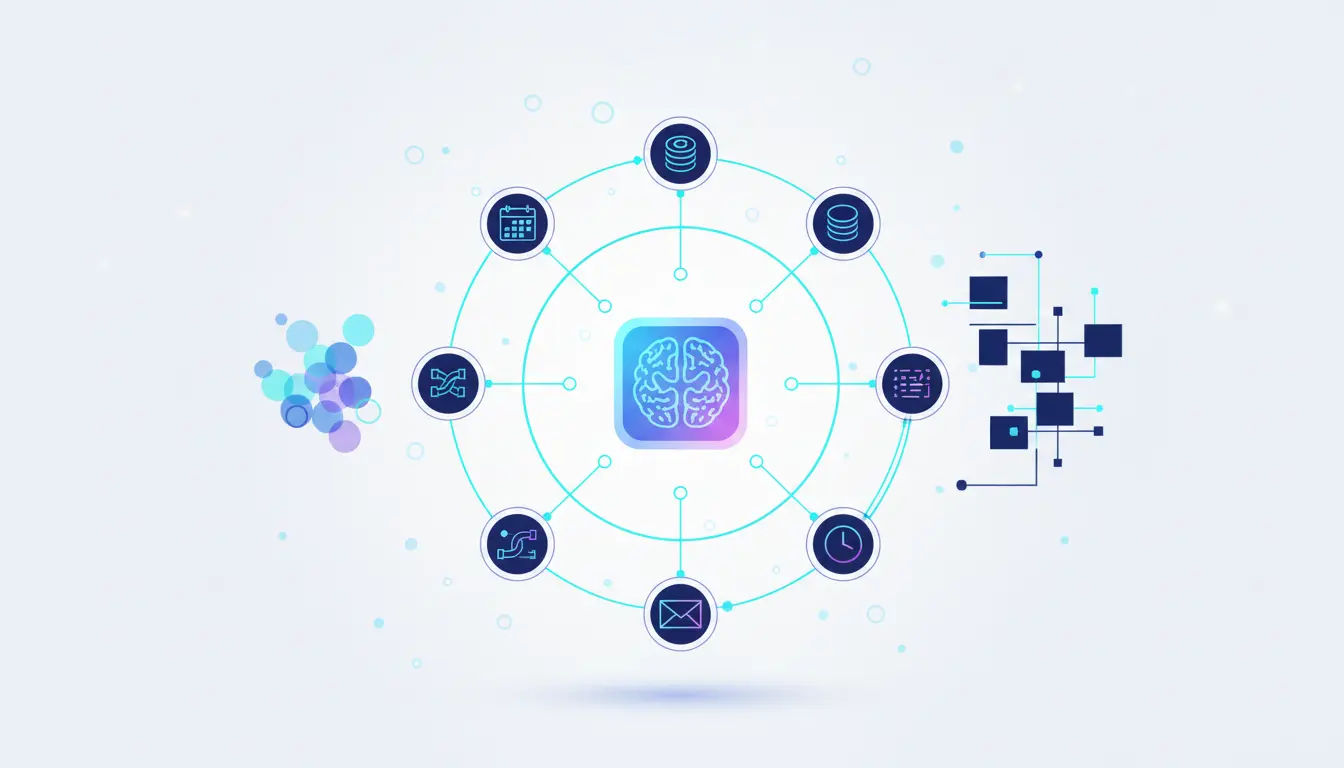
Creators are actively demonstrating how to combine Claude 3.7 or ChatGPT with the Model Context Protocol (MCP) to access local environments, or bridging them to SaaS tools like Omnisend, TidyCal, and Stripe. The result is a rise in “micro-funnels,” where an AI agent handles lead enrichment, sends personalized outreach, books a consulting call, and processes a $5 micro-transaction—all without human intervention. To manage the inevitable reliability issues, these same tutorials are now introducing rudimentary agent operations (AgentOps) and strict behavioral guardrails to prevent agents from going rogue or burning API credits on infinite loops.
At the same time, the hype is driving adoption of specialized tools like Manus, Google Gemma, and NotebookLM to automate service delivery. By packaging AI agents as digital products or automated service-fulfillment engines, these operators are attempting to build $125K+ automated drop-servicing businesses overnight.
Why it matters now
This trend highlights the exact battleground where OpenAI, Anthropic, and Google are currently fighting: the execution layer. For the last two years, the AI race was about reasoning and token generation. Today, it is about tool use, environmental interaction, and reliability. When everyday users attempt to wire Claude to their Stripe accounts, they immediately expose the limitations of current LLM context windows, task decomposition, and error-handling capabilities.
Furthermore, this grassroots adoption is accelerating the deployment of agent infrastructure. Frameworks like MCP—originally designed to standardize how AI models connect to data sources—are being rapidly adapted by solo entrepreneurs to build automated business machines. This forces the entire AI ecosystem to mature faster. Tooling companies must now build platforms that offer robust agent safety, permission boundaries, and troubleshooting diagnostics for non-technical builders whose workflows inevitably break.
The hype may be inflated, but the underlying mechanics are real. While enterprise giants like IBM publish extensive conceptual guides on agent decision-making and human-in-the-loop safeguards, the creator economy is stress-testing these concepts in the wild, trading compliance for speed.
Who is most affected
| Stakeholder | Impact | Why |
|---|---|---|
| Freelance Marketplaces (Upwork/Fiverr) | High Disruption | AI agents are directly targeting the drop-servicing economy, automating the exact digital tasks (research, email, scheduling) that gig workers rely on. |
| LLM Providers (Anthropic, OpenAI) | Surging API Usage | The shift from web-interface chatting to autonomous, multi-step API calls exponentially increases token consumption and compute demand. |
| Automation Tooling (Zapier, AgentOps) | Feature Evolution | Traditional deterministic triggers are being replaced or augmented by agentic decision engines, forcing automation platforms to support AI tool-use natively. |
| Enterprise IT & Security | Increased Shadow IT | As employees learn to build autonomous agents for their “side hustles,” they will inevitably attempt to deploy unvetted, rogue agents inside corporate environments. |
About the analysis
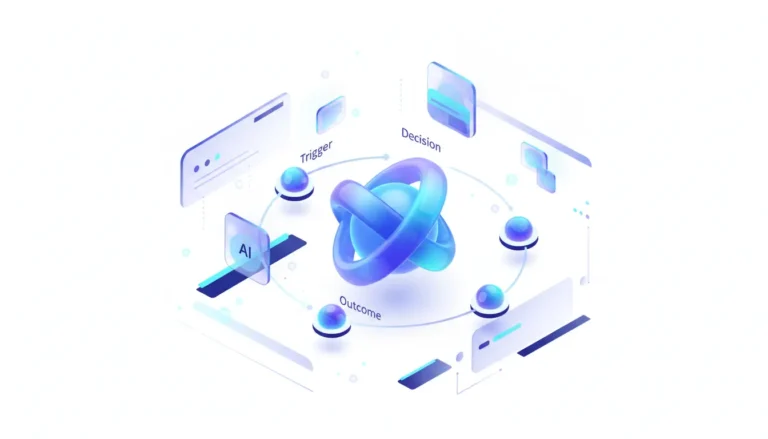
Researched and written with AI assistance under the editorial responsibility of the i10X News team. The title image is an AI-generated illustration. Read our AI Use Policy. Spotted an error? Request a correction.
This is an independent i10x analysis tracking the intersection of consumer AI adoption and infrastructure development, built for founders, developers, and AI strategists. It contrasts the viral creator economy narratives around agent monetization with enterprise-grade agent frameworks.
i10x Perspective
The “AI millionaire” narrative is classic internet gold rush marketing, but dismissing it means missing the structural earthquake beneath it. We are watching the consumerization of multi-agent systems. When solo operators can successfully orchestrate Claude and MCP to run a booking and payment funnel autonomously, the cost of digital labor drops to near zero. The winners in the next phase of the AI race won’t just be the labs training the smartest models, but the infrastructure platforms that can reliably govern, monitor, and connect these digital workers to the real economy without catastrophic failure.