I’ve been following Anthropic’s moves closely, and their launch of Claude Opus 4.5 feels like more than just another model tweak—it’s a smart, tactical push right into the heart of enterprise tools, from AWS Bedrock to everyday spots like Chrome and Excel. They’re zeroing in on real-world integration and developer-friendly features, which makes me think the AI game isn’t won by flashy benchmark numbers alone. Instead, it’s about who can slip reliable, deeply woven intelligence into the mix, especially up against heavyweights like Google’s Gemini.
Quick Take
- Summary: Claude Opus 4.5 rolled out as Anthropic’s latest flagship model, putting a real spotlight on boosts in coding, agentic workflows, and office automation. The timing lined up perfectly with fresh integrations for Chrome and Excel, plus a revamped Claude Code setup on macOS—and it’s all live right away on Amazon Bedrock.
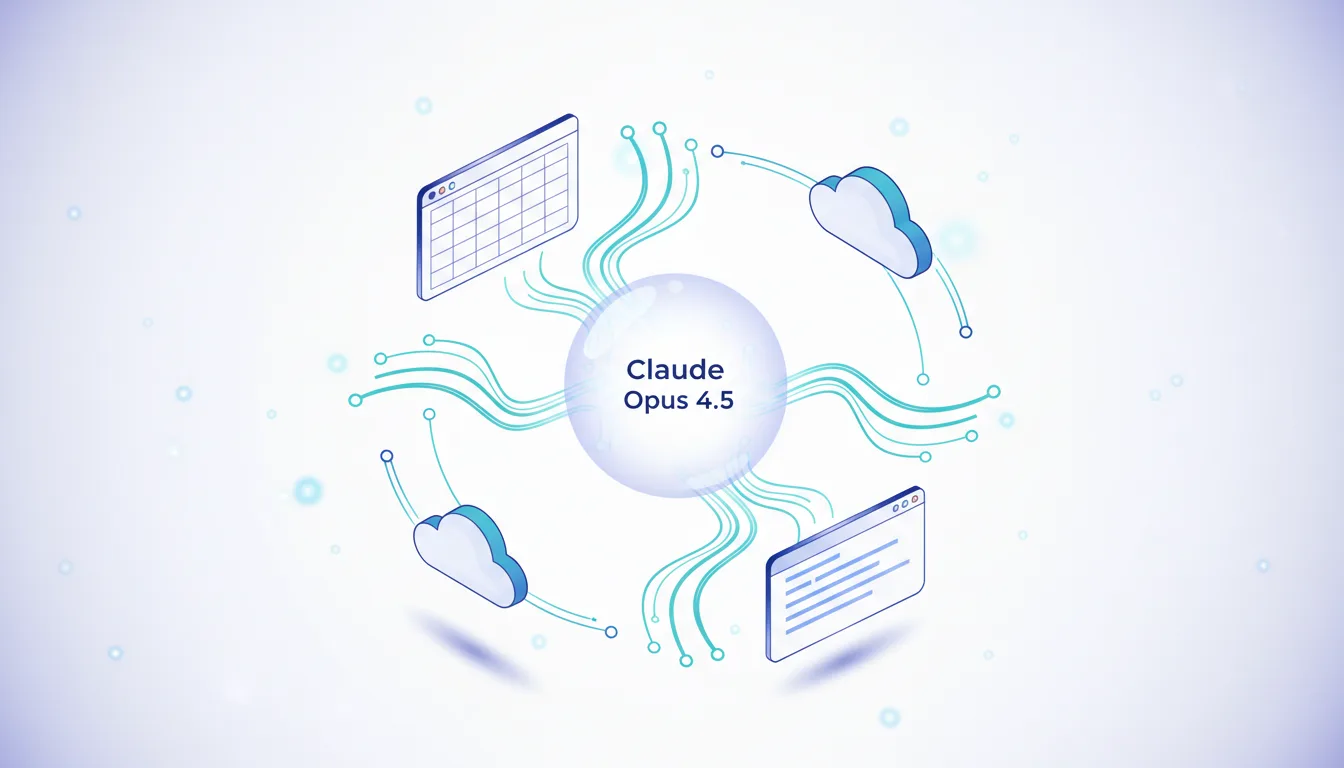
- What happened: Have you ever wondered what it takes to go beyond a basic API release? Anthropic didn’t settle for that; they orchestrated a full rollout across multiple platforms. Pairing a sharper, more efficient model with the right tools and setups, they’re making it straightforward to slot it into enterprise flows and developer routines—think spreadsheets, browsers, and those secure cloud spots where it all has to hum without a hitch.
- Why it matters now: That said, this shift is pulling the spotlight away from vague model specs toward the nuts-and-bolts of getting things deployed and used effectively. Google’s been parading its big supporters for Gemini, sure, but Anthropic’s playing it practical, aiming straight for the developer desktop and enterprise setups. They’re wagering that smooth integration and hands-on value will pull users in quicker than topping any leaderboard—plenty of reasons to believe that, really.
- Who is most affected: For enterprise AI teams, solution architects, and CTOs, this opens up a solid, ready-to-go option for crafting coding helpers and automation agents—something that’s hard to ignore. AWS locks in even more as the go-to for cutting-edge models, and developers? They get beefed-up tools that fit right into their daily platforms, no fuss.
- The under-reported angle: Most folks are buzzing about the showdown between Opus 4.5 and Gemini 3, but here’s the thing—the bigger tale is Anthropic’s “platform-first” mindset. Dropping it all at once on the Anthropic Console, AWS Bedrock, and those desktop-browser extensions? That shows they’ve got a firm grasp on what holds enterprise buy-in back: security worries, reliability demands, and the drag of clunky setups, not just handing over API keys.
Deep Dive
Ever feel like the AI world is all hype until it actually fits into your workday? Anthropic’s drop of Claude Opus 4.5 strikes me that way—a deliberate step to reposition them not just as model makers, but as builders of smart, connected systems that actually stick. The announcement calls out big leaps in coding prowess, agentic smarts, and overall efficiency. Dig a bit deeper, though, and you see it’s all about tackling that stubborn “last mile” snag in enterprise AI: the hassle of rolling it out without everything grinding to a halt. Launching alongside slick ties into Chrome and Excel, and hitting Amazon Bedrock from day one, they’re gunning for the spots where developers and office folks spend their hours.
It’s a head-on nudge at the buzz around Google’s Gemini—financial outlets like Yahoo Finance are tallying up Gemini’s high-profile fans, but Anthropic’s not chasing the spotlight; they’re after the installs. That Bedrock availability, straight from AWS’s own update, is key here. It hands enterprise squads a clear route in, complete with the security layers, oversight, and data controls they can’t skimp on—echoing those deployment headaches laid out in the model’s System Card, where risk handling gets a thorough once-over.
From what I’ve seen in developer circles, the user side is where this really shines. Upgrading Claude Code on macOS and polishing the Chrome extension means Opus 4.5 slides right into where code gets banged out and tasks get ticked off—seamless, almost. TechCrunch and 9to5Mac have picked up on this integration push, and it makes sense: it’s filling a real void for dependable ways to spin up agents that play nice with computers and apps. They’re not stopping at what the model knows how to handle; they’re sketching out the solid frameworks for making it happen, time after time, without the cracks showing.
In the end, this Opus 4.5 rollout is Anthropic’s wager on a sturdier kind of edge—one built on ecosystem ties rather than raw scores. Competitors might sprint for better benchmarks, but Anthropic’s layering in cloud muscle for enterprises, plus tools that fit workflows like a glove. That mix—a killer model, secure cloud access, and practical aids—forms a tough-to-beat setup. It quietly pushes the idea that the AI that lasts won’t be the benchmark champ, but the one that blends into your routine so well you barely notice it’s there, humming along.
Stakeholders & Impact
| Stakeholder / Aspect | Impact | Insight |
|---|---|---|
| Enterprise AI/CTOs | High | With Opus 4.5 on Bedrock, there’s now a secure, scalable way to craft intricate coding and office automation agents—positioning it as a real rival to what Google’s bringing to the table, and easing those integration headaches. |
| Developers | High | Agentic workflows take center stage here, alongside direct plugs into Chrome, Excel, and macOS, handing over more robust, everyday-ready tools for whipping up AI apps that actually deliver. |
| Amazon Web Services (AWS) | Significant | Bedrock cements its spot as the top hub for third-party frontier models, drawing in enterprise jobs that want Anthropic’s newest with AWS’s built-in governance— a win that keeps the momentum rolling. |
| Google (Competitor) | High | This ramps up the pressure on Google to push Gemini past pure power and into a matching, enterprise-polished integration play across their cloud and workspace setups—watch how they respond. |
| Compliance & Risk Teams | Medium | That fresh System Card brings the clarity for solid risk checks, though it also flags the importance of thoughtful rollout and oversight for these agentic setups—nothing to rush. |
About the analysis
Researched and written with AI assistance under the editorial responsibility of the i10X News team. The title image is an AI-generated illustration. Read our AI Use Policy. Spotted an error? Request a correction.
From my vantage, this breakdown pulls together the official launch docs, deep dives into tech specs (System Card included, along with those platform walkthroughs), and the latest from market watchers. It’s tying the product’s strengths to the wider picture of how enterprises are warming up to AI—and where the rivals stand—all shaped with technical leads and planners in mind, to spark some real strategy talks.
i10x Perspective
What if the real shift in AI isn’t about bigger brains, but about how quietly it powers your tools? The Claude Opus 4.5 debut feels like that turning point for the market—maturing past the raw power showdown into a fight over usefulness in the wild. Forget the “model race”; call it an “integration war” instead. Anthropic’s staking it all on the AI that melts into enterprise pipes and dev kits without a ripple—subtle, but effective.
That ecosystem-first tack begs the question: will AI rule through one standout model’s brilliance, or through the steady, behind-the-scenes grind of a system that’s everywhere you need it? Keep an eye here; it could be the workflow-savvy play that trips up even a giant like Google. The AI that lasts won’t be the benchmark champ, but the one that blends into your routine.