From Fragile Agents to Self-Healing LLM Infrastructure
The shift from brittle AI tools to self-healing architectures equipped with strict guardrails is turning LLM agents into resilient infrastructure operators, bringing zero-touch remediation to enterprise environments.
Summary
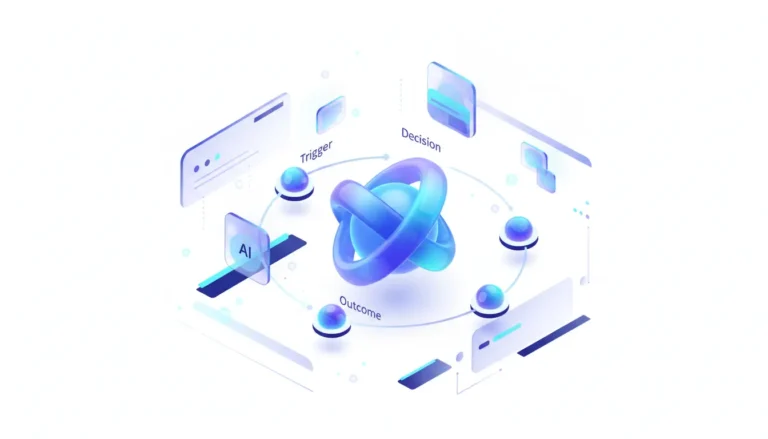
AI engineering is moving away from fragile, single-pass agents toward self-healing systems that can spot, diagnose, and recover from runtime failures on their own. Errors get looped back into the reasoning process, and standardized protocols handle the fixes so developers aren’t pulled in every time something breaks.
What happened
Frameworks and patterns have settled around self-healing loops. Agents now use structured exceptions, replay logs, and the Model Context Protocol (MCP) to handle everything from malformed tool outputs to OOM crashes without stopping the show.
Why it matters now
Once agents leave the lab and enter real production workflows, blind retries and hard crashes simply won’t fly. Self-healing becomes the baseline requirement for running autonomous enterprise software that can manage context starvation and reasoning collapse without constant oversight.
Who is most affected
- Site Reliability Engineers (SREs)
- ML platform developers
- CTOs trying to keep complex multi-agent workflows stable in live environments
The under-reported angle
Advanced reasoning alone doesn’t make self-healing possible. The real foundation is infrastructure-as-context plus secure sandboxing. Without MCP-approved action lists and least-privilege boundaries, an agent given free rein to fix production issues is just asking for a security incident.
Deep Dive
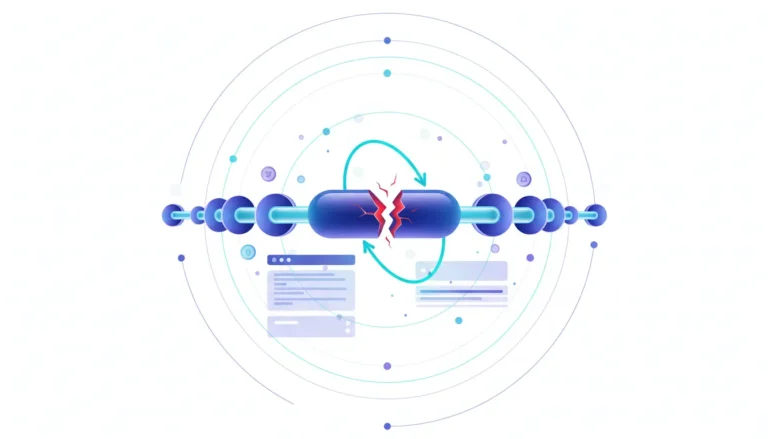
Have you noticed how quickly a promising LLM agent can fall apart once it hits real infrastructure? The core issue is brittleness. Traditional agents follow a narrow happy path and collapse on a dead retriever, a bad tool argument, or simple context starvation. Developers are shifting away from external monitoring toward built-in recovery loops instead. This isn’t about models that rewrite their weights over months. It’s about fast, runtime self-healing where the agent catches exceptions and adjusts course within seconds.
Industry blueprints show a clear change in how errors are handled. Teams at places like Union.ai and Agentbase treat infrastructure failures as structured exceptions that get serialized and fed straight back into the agent’s context. An OOM error or API timeout stops being a crash and becomes just another input the agent can respond to, whether by backing off, tweaking resources, or asking for help.
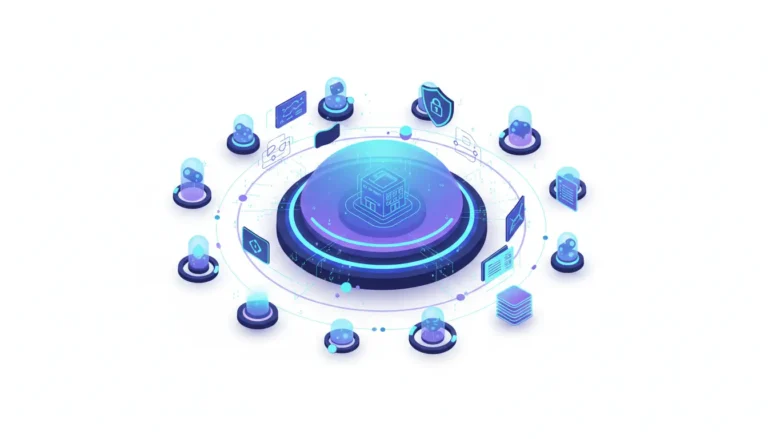
That said, letting an agent change system state on its own still makes most SREs uneasy, and for good reason. Unrestricted access is a fast way to create bigger problems. The response has been multi-agent setups with tight guardrails: one agent pulls logs via hybrid RAG, another diagnoses the issue, and a third applies the fix. All of it stays within MCP-defined schemas so the agent can’t invent destructive commands the infrastructure won’t even allow.
What’s still missing in many early versions is a proper verify step plus clear escalation rules when things stay ambiguous. We’re seeing AI agents evolve from stateless reasoners into stateful operators that live inside the infrastructure layer itself.
Stakeholders & Impact
- AI / LLM Providers — Impact: Medium. Emphasis moves from raw model intelligence to reliable context handling and structured outputs.
- SRE & DevOps Teams — Impact: High. Zero-touch remediation cuts MTTR sharply, though it demands new auditing workflows.
- Platform & Infra Engineers — Impact: High. Requires durable execution environments, replay logs, and sandboxes that let agents fail safely.
- Security & Governance — Impact: Significant. Needs threat modeling against prompt injection and strict least-privilege controls via MCP.
About the analysis
Researched and written with AI assistance under the editorial responsibility of the i10X News team. The title image is an AI-generated illustration. Read our AI Use Policy. Spotted an error? Request a correction.
This independent, research-based analysis draws from current developer docs, architectural patterns, open-source frameworks, and enterprise SRE practices to help CTOs, AI developers, and platform engineers navigate the move toward autonomous reliability.
i10x Perspective
The rise of self-healing agents shows the industry shifting from token generation toward durable execution. Whoever sets the standard for how intelligence touches infrastructure (as Anthropic is trying with MCP) will shape enterprise software for years. At the same time, the collision with cybersecurity deserves close attention. A capable self-healing agent with overly broad production access is essentially a self-inflicted zero-day waiting to happen.