Quick Take
Generative UI is officially transitioning from a flashy research novelty to an enterprise infrastructure challenge as developers adopt structured protocols to let AI agents compose user interfaces in real time.
Summary
AI agents have moved well beyond text generation. They now orchestrate dynamic, interactive interfaces on the fly. Frameworks and standards are taking shape quickly to help large language models build UI layouts safely at runtime, always drawing from pre-approved component libraries.
What happened
Tech giants along with open-source projects are rolling out Generative UI frameworks, often called GenUI. These let models pick, configure, and render components in real time. The key shift is away from letting models spit out raw React code that might go off the rails. Instead, new standards push agents to output structured UI intents that map cleanly to a fixed set of enterprise-approved components.
Why it matters now
Text generation gains are slowing for many teams. The next real edge lies in multimodal, agent-driven apps. The tricky part is connecting unpredictable AI behavior with the strict, governed UX rules that enterprises demand. That bridge is turning into a fresh layer of the AI stack.
Who is most affected
Platform architects, frontend engineers, and AI toolchain vendors sit right in the middle. Their job is shifting from static page builds to creating governed component vocabularies and validation schemas that models can use without risk.
The under-reported angle
Security and compliance demands are expanding fast under this model. Most headlines celebrate the dynamic generation itself, yet the real work involves threat modeling around prompt injection that could force malicious components onto the screen, plus the latency hit from validating UI intent streams live.
Deep Dive
Have you ever felt a chatbox start to box you in? The AI agent is quietly becoming the frontend instead. Generative UI turns the old model on its head: rather than guiding users through fixed screens, the app assembles itself around whatever the user wants in the moment. Early demos often showed models writing front-end code directly, but enterprise reality looks more cautious. The worry that models might hallucinate unsafe or off-brand screens has pushed teams toward what some call Tool Inversion.
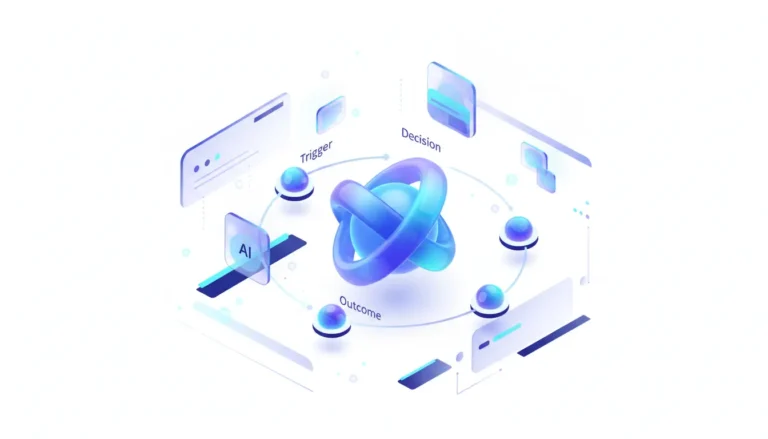
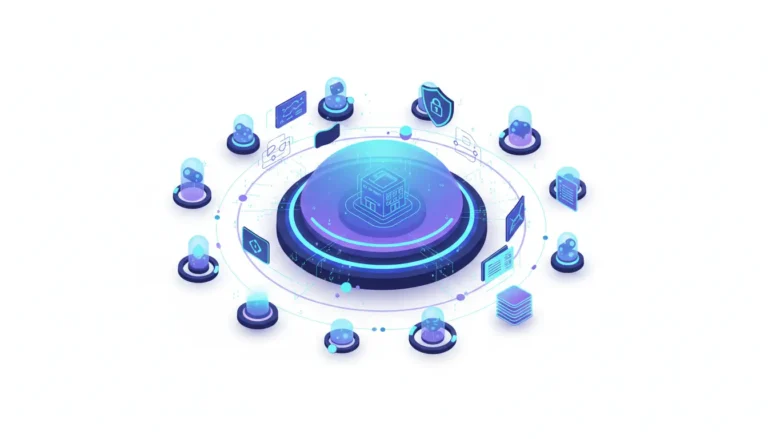
In a proper enterprise GenUI setup, the LLM does not get free rein. Developers send a strict vocabulary of UI components down to the client. The model then works as an orchestrator, using function calling and structured outputs (validated through JSON Schema or Zod) to choose and fill those components. This split, where the agent signals intent and the client enforces governance, is why standards like A2UI and ties to the Model Context Protocol are gaining ground.
That said, scaling the ecosystem is already exposing real gaps in infrastructure. Turning model output into live interfaces means tight performance budgets. Teams have to juggle token costs against the lag of streaming UI intents and rendering them piece by piece. Observability is another weak spot right now. Tracing why an agent chose one dashboard layout over another, or building reliable human-in-the-loop controls to undo a broken state, still needs work.
Security and consistent UX are also pulling in opposite directions. Prompt injection in this setting can do more than leak data; it might alter the app state itself, serving up a fake component meant to grab credentials. On the design front, researchers keep pointing out that constant layout shifts raise cognitive load and can erode trust if users cannot find their way around reliably.
Ultimately the race is on to set the common language for agent-driven interfaces. From Google Cloud down to smaller players like CopilotKit and Builder.io, everyone is pushing for protocols that let models speak to screens. The edge will go to whoever pairs real agent flexibility with solid, deterministic safeguards.
Stakeholders & Impact
| Stakeholder / Aspect | Impact | Insight |
|---|---|---|
| AI / LLM Providers | High | Increased demand for models highly optimized for structured output (JSON), function calling, and rapid token streaming to reduce UI rendering latency. |
| Frontend & Platform Teams | High | Shift from building static pages to designing “component vocabularies” and rigorous schema-validation pipelines for agent-to-UI intent exchange. |
| Security & Compliance | Significant | New threat vectors require specialized audits; prompt injection can now manipulate UI state, requiring strict sandboxing and telemetry trails. |
| End Users | Medium–High | Experience hyper-personalized, context-aware workflows, but risk frustration if dynamic interfaces lack consistency, affordances, and discoverability. |
About the analysis
Researched and written with AI assistance under the editorial responsibility of the i10X News team. The title image is an AI-generated illustration. Read our AI Use Policy. Spotted an error? Request a correction.
This independent, research-based analysis synthesizes current search intent, developer documentation, and emerging enterprise standards around Generative UI. It is designed for CTOs, product strategists, and AI architects looking to navigate the transition from static applications to agent-native user experiences without compromising security or governance.
i10x Perspective
Generative UI marks the clear end of software as a fixed destination. We are moving into an era of just-in-time software, where applications form around a user’s immediate intent. From what I have seen, the real contest over the next five to ten years will center less on which LLM leads in raw intelligence and more on which protocol, whether A2UI, MCP or something else, becomes the standard way agents communicate with clients.
The organizations that can combine the fluid strengths of AI with the strict safety enterprises require will shape the next wave of digital infrastructure. Watch closely for consolidation around tools that validate, audit, and secure these live UI streams.